THE ADVENTURE COLLECTIVE® · Independent discovery and booking for outdoor travel

A full‑day loop from Addis Ababa that pairs the mysterious Tiya stelae and rock‑hewn Adadi Mariam with birding and boat trips on Lake Ziway. Expect archaeology, Rift Valley geology, and hands‑on cultural stops in a single private tour.
A full‑day loop from Addis Ababa that pairs the mysterious Tiya stelae and rock‑hewn Adadi Mariam with birding and boat trips on Lake Ziway. Expect archaeology, Rift Valley geology, and hands‑on cultural stops in a single private tour.
You roll south from Addis, the city’s hum shrinking as the Great East African Rift spreads open—volcanic ridges rise like old scars and the road threads between acacia and farmland. On arrival, the Tiya stelae stand in a dusty field: upright carved stones that keep their secrets in plain sight, glyphs and human figures watching the low sun.
Verified experiences and guided adventures in the surrounding area.
Operated by Aman Ethiopia Tours And Travel Agent · Ziway, Oromia
You roll south from Addis, the city’s hum shrinking as the Great East African Rift spreads open—volcanic ridges rise like old scars and the road threads between acacia and farmland. On arrival, the Tiya stelae stand in a dusty field: upright carved stones that keep their secrets in plain sight, glyphs and human figures watching the low sun.
These monuments date to roughly the 11th–13th centuries and mark funerary practice in a landscape shaped by rifting and volcanic activity. Nearby is Adadi Mariam, a 13th‑century rock‑hewn church cut from a single formation—its chambers still used for prayer—while Melka Kunture, newly inscribed in 2024, exposes Palaeolithic layers that tie the Rift Valley to human origins.
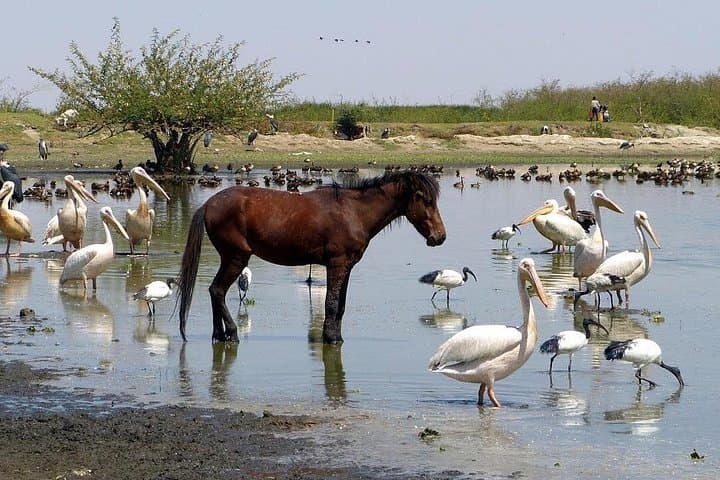
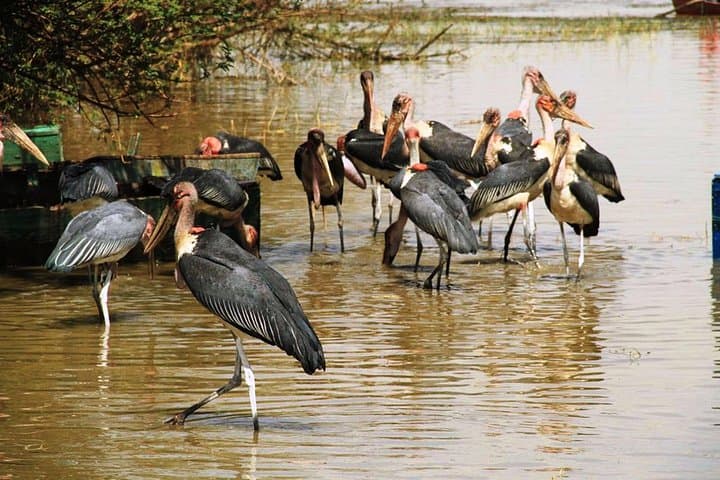
Culture here is immediate: Oromo villages punctuate the route, and many tours include a family visit or an injera cooking demonstration that frames daily life alongside ancient sites. Lake Ziway widens the scene—water pressing against papyrus beds and drawing pelicans, ibis, and fish eagles that turn the shoreline into a moving portrait.
Practicalities: the full day is a long, largely easy drive (about 8–10 hours door to door on a private minivan), with short walks over uneven ground. Bring sun protection, a refillable water bottle, binoculars for birding, and modest clothing at religious sites. Respect signs, keep off fragile stones, and plan for cash for small local purchases. Small-group tours (this one limits participants) balance archaeology, wildlife, and living culture—an accessible immersion into Ethiopia’s Rift Valley backbone.
The tour runs about 8–10 hours round trip from Addis Ababa with roughly 190–200 km of driving, broken by site visits and short walks.
This private tour includes admissions listed by the operator and an English‑speaking guide; confirm specific site fees when booking.
Sites require short walks on uneven ground; it’s family‑friendly but not ideal for those with significant mobility limitations—notify the operator for accommodations.
Dry season months (October–March) concentrate waterbirds and make boat access easier, though birding is good year‑round.
Aman Ethiopia Tours And Travel Agent operates guided outdoor trips and adventures with an emphasis on safety, stewardship, and memorable experiences.


You roll south from Addis, the city’s hum shrinking as the Great East African Rift spreads open—volcanic ridges rise like old scars and the road threads between acacia and farmland. On arrival, the Tiya stelae stand in a dusty field: upright carved stones that keep their secrets in plain sight, glyphs and human figures watching the low sun.
You roll south from Addis, the city’s hum shrinking as the Great East African Rift spreads open—volcanic ridges rise like old scars and the road threads between acacia and farmland. On arrival, the Tiya stelae stand in a dusty field: upright carved stones that keep their secrets in plain sight, glyphs and human figures watching the low sun.
These monuments date to roughly the 11th–13th centuries and mark funerary practice in a landscape shaped by rifting and volcanic activity. Nearby is Adadi Mariam, a 13th‑century rock‑hewn church cut from a single formation—its chambers still used for prayer—while Melka Kunture, newly inscribed in 2024, exposes Palaeolithic layers that tie the Rift Valley to human origins.
Culture here is immediate: Oromo villages punctuate the route, and many tours include a family visit or an injera cooking demonstration that frames daily life alongside ancient sites. Lake Ziway widens the scene—water pressing against papyrus beds and drawing pelicans, ibis, and fish eagles that turn the shoreline into a moving portrait.
Practicalities: the full day is a long, largely easy drive (about 8–10 hours door to door on a private minivan), with short walks over uneven ground. Bring sun protection, a refillable water bottle, binoculars for birding, and modest clothing at religious sites. Respect signs, keep off fragile stones, and plan for cash for small local purchases. Small-group tours (this one limits participants) balance archaeology, wildlife, and living culture—an accessible immersion into Ethiopia’s Rift Valley backbone.