THE ADVENTURE COLLECTIVE® · Independent discovery and booking for outdoor travel

Explore Tonalá's five-generation ceramics workshops, Tlaquepaque's gallery-lined Independencia Street, and a bustling artisan market on a private full-day tour. Expect hands-on craft encounters, market flavors, and a guided look at Mexico's living artisan culture.
Explore Tonalá's five-generation ceramics workshops, Tlaquepaque's gallery-lined Independencia Street, and a bustling artisan market on a private full-day tour. Expect hands-on craft encounters, market flavors, and a guided look at Mexico's living artisan culture.
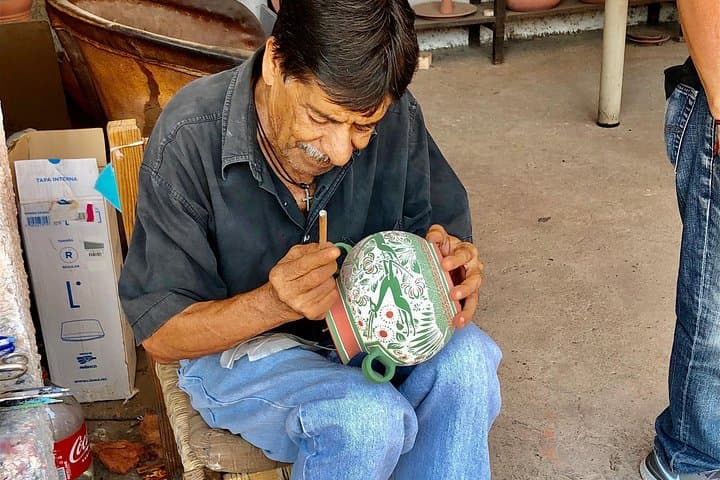
Morning light slants across the flagstones of Independencia Street as the tour sets out from Guadalajara toward Tonalá and Tlaquepaque. Pedestrians and vendors arrange colorful displays, and the air carries the distinct smell of frying masa and kiln smoke. The day moves from a family-run barro petatillo workshop in Tonalá—where centuries of ceramic knowledge are visible in every brushstroke—to the open-air market’s organized chaos of textiles, metalwork, and smoked chilies.
Verified experiences and guided adventures in the surrounding area.
Operated by Diego Hannon · Tlaquepaque, Jalisco
Morning light slants across the flagstones of Independencia Street as the tour sets out from Guadalajara toward Tonalá and Tlaquepaque. Pedestrians and vendors arrange colorful displays, and the air carries the distinct smell of frying masa and kiln smoke. The day moves from a family-run barro petatillo workshop in Tonalá—where centuries of ceramic knowledge are visible in every brushstroke—to the open-air market’s organized chaos of textiles, metalwork, and smoked chilies.
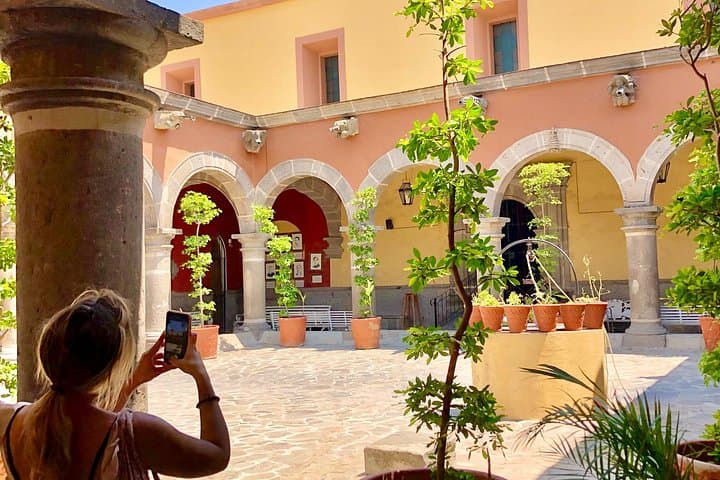
This region sits on the Trans-Mexican Volcanic Belt; local clays and fired ceramics reflect that volcanic chemistry, while colonial-era plazas and 19th-century mansions tell a layered cultural story. Tonalá’s craft traditions are indigenous and mestizo blends passed through generations, and Tlaquepaque evolved as an artists' quarter with galleries housing names like Sergio Bustamante and Agustín Parra. Tequila’s commerce threads through the area too; the world-class tequila store on Independencia offers an impromptu lesson in local agrarian economy.
Practical guidance: expect 6–7 hours of walking on uneven cobbles and steps, with frequent stops for demonstrations and shopping. Bring cash for smaller vendors, sun protection for open market stalls, and a comfortable pair of closed-toe shoes for workshop visits. Mornings are cooler and less crowded; afternoons can be hot, especially in summer when brief rain showers are common. Respect artisan workshops by asking before photographing and allowing space during demonstrations.
By day’s end, travelers leave with an understanding of regional craft processes, tastes from market stalls, and a small collection of handcrafted souvenirs that carry stories as much as color.
Yes, private transportation is included as part of the tour's logistics between Tonalá and Tlaquepaque.
Yes; the guide can arrange lunch at Casa Luna or market options—notify special requirements at booking.
Visits typically include demonstrations and opportunities to handle finished pieces; hands-on pottery sessions may not be included unless pre-arranged.
Infants and small children can use strollers, but cobblestones and crowded markets may make navigation slow; disclose needs when booking.
Diego Hannon operates guided outdoor trips and adventures with an emphasis on safety, stewardship, and memorable experiences.

Morning light slants across the flagstones of Independencia Street as the tour sets out from Guadalajara toward Tonalá and Tlaquepaque. Pedestrians and vendors arrange colorful displays, and the air carries the distinct smell of frying masa and kiln smoke. The day moves from a family-run barro petatillo workshop in Tonalá—where centuries of ceramic knowledge are visible in every brushstroke—to the open-air market’s organized chaos of textiles, metalwork, and smoked chilies.
Morning light slants across the flagstones of Independencia Street as the tour sets out from Guadalajara toward Tonalá and Tlaquepaque. Pedestrians and vendors arrange colorful displays, and the air carries the distinct smell of frying masa and kiln smoke. The day moves from a family-run barro petatillo workshop in Tonalá—where centuries of ceramic knowledge are visible in every brushstroke—to the open-air market’s organized chaos of textiles, metalwork, and smoked chilies.
This region sits on the Trans-Mexican Volcanic Belt; local clays and fired ceramics reflect that volcanic chemistry, while colonial-era plazas and 19th-century mansions tell a layered cultural story. Tonalá’s craft traditions are indigenous and mestizo blends passed through generations, and Tlaquepaque evolved as an artists' quarter with galleries housing names like Sergio Bustamante and Agustín Parra. Tequila’s commerce threads through the area too; the world-class tequila store on Independencia offers an impromptu lesson in local agrarian economy.
Practical guidance: expect 6–7 hours of walking on uneven cobbles and steps, with frequent stops for demonstrations and shopping. Bring cash for smaller vendors, sun protection for open market stalls, and a comfortable pair of closed-toe shoes for workshop visits. Mornings are cooler and less crowded; afternoons can be hot, especially in summer when brief rain showers are common. Respect artisan workshops by asking before photographing and allowing space during demonstrations.
By day’s end, travelers leave with an understanding of regional craft processes, tastes from market stalls, and a small collection of handcrafted souvenirs that carry stories as much as color.