THE ADVENTURE COLLECTIVE® · Independent discovery and booking for outdoor travel

Spend a full day from Campbell River into Toba Inlet to see grizzly bears, whales, and Klahoose cultural sites. Covered boat transit, guided shore viewing, and a deep look at coastal wilderness.
Spend a full day from Campbell River into Toba Inlet to see grizzly bears, whales, and Klahoose cultural sites. Covered boat transit, guided shore viewing, and a deep look at coastal wilderness.
A cold mist lifts off the Salish Sea as the boat slips away from Campbell River—coffee in a paper cup, the engine’s low thrum underfoot, and a line of fir-covered peaks guiding the inlet ahead.
Verified experiences and guided adventures in the surrounding area.
Operated by Homalco Wildlife & Cultural Tours · Campbell River, British Columbia
A cold mist lifts off the Salish Sea as the boat slips away from Campbell River—coffee in a paper cup, the engine’s low thrum underfoot, and a line of fir-covered peaks guiding the inlet ahead.
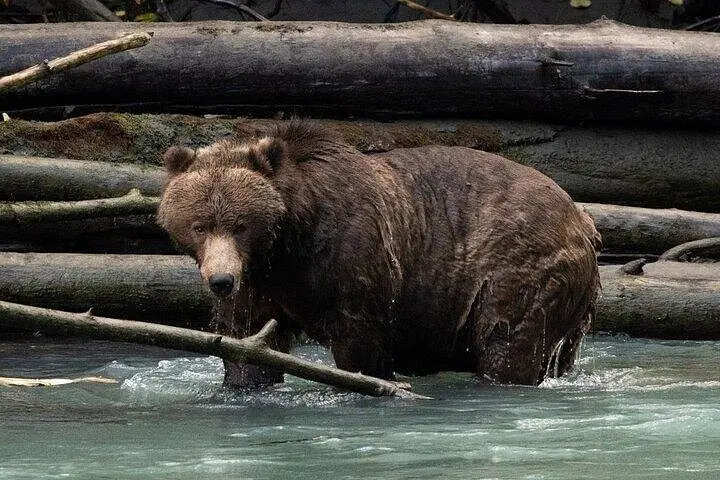
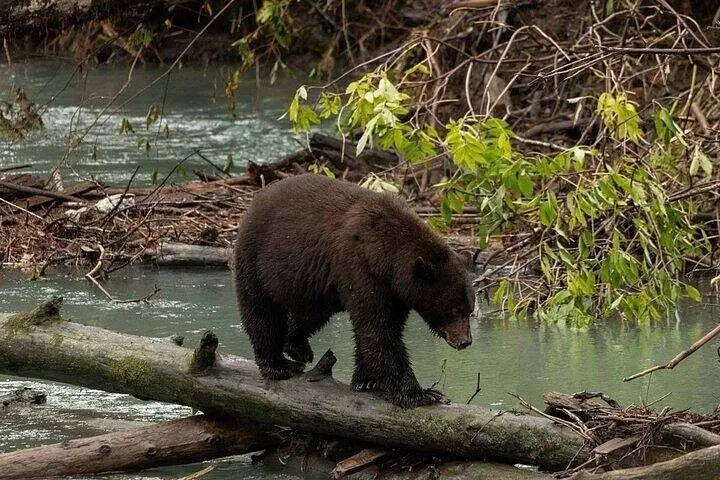
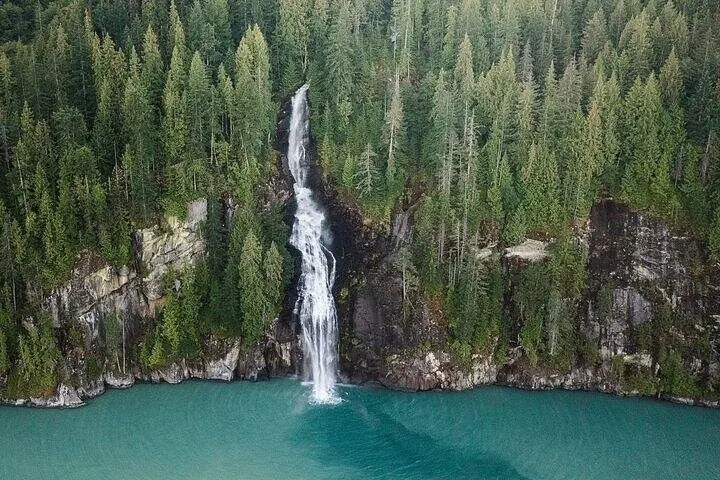
By mid-morning you’ll be cruising through glassy channels, watching sea birds quarter the water while skippers scan for blows. The route cuts inland to Toba Inlet, a steep-sided fjord where waterfalls braid down moss-dark cliffs and salmon runs pull grizzlies toward the shore. The Klahoose guides join the narrative here, sharing toq qaymɩxʷ stories and practical knowledge about seasonal lifecycles and the territory’s meanings.
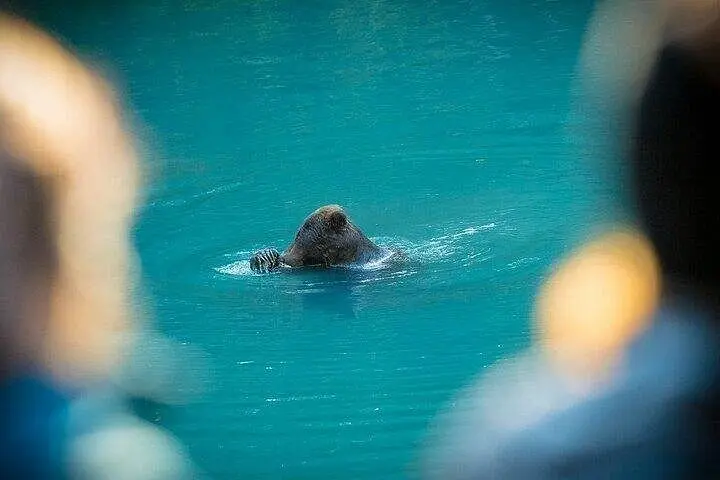
Geologically the inlet is a classic glacial fjord—deep, narrow and framed by rugged mountains—where marine and terrestrial ecosystems collide. Humpbacks and orcas often patrol the Salish Sea; on land, grizzlies move with purpose, following salmon and kelp-rich shorelines.
Practically, expect a full nine-hour day: covered, heated boat transit with onboard restroom, snacks, coffee, and a provided lunch; short mini-bus transfers to raised wildlife viewing platforms. Guides prioritize safe distances and optics-based viewing; encounters are observational, not intrusive. Weather changes quickly—wind and spray are part of the trip—so layers and waterproofs matter.
Bring binoculars or a telephoto lens, pace yourself for a long day, and plan photography around light (early and late windows are best). Respect cultural briefings and posted rules at viewing sites: the experience pairs wildlife watching with living Klahoose stewardship, offering both spectacle and context for the landscape you’re passing through.
Guides use raised platforms and strict viewing zones to keep safe distances—expect observational viewing from 50–200+ meters depending on site conditions.
Yes—snacks, coffee/tea and a lunch tailored to dietary restrictions are included in the full-day tour.
Yes—families are welcome, but children should be supervised and able to follow guide instructions; the day is long and includes boat travel.
The operator may cancel for safety; the booking policy typically allows full refunds if canceled at least 24 hours prior or in unsafe conditions.
Homalco Wildlife & Cultural Tours operates guided outdoor trips and adventures with an emphasis on safety, stewardship, and memorable experiences.
A cold mist lifts off the Salish Sea as the boat slips away from Campbell River—coffee in a paper cup, the engine’s low thrum underfoot, and a line of fir-covered peaks guiding the inlet ahead.
A cold mist lifts off the Salish Sea as the boat slips away from Campbell River—coffee in a paper cup, the engine’s low thrum underfoot, and a line of fir-covered peaks guiding the inlet ahead.
By mid-morning you’ll be cruising through glassy channels, watching sea birds quarter the water while skippers scan for blows. The route cuts inland to Toba Inlet, a steep-sided fjord where waterfalls braid down moss-dark cliffs and salmon runs pull grizzlies toward the shore. The Klahoose guides join the narrative here, sharing toq qaymɩxʷ stories and practical knowledge about seasonal lifecycles and the territory’s meanings.
Geologically the inlet is a classic glacial fjord—deep, narrow and framed by rugged mountains—where marine and terrestrial ecosystems collide. Humpbacks and orcas often patrol the Salish Sea; on land, grizzlies move with purpose, following salmon and kelp-rich shorelines.
Practically, expect a full nine-hour day: covered, heated boat transit with onboard restroom, snacks, coffee, and a provided lunch; short mini-bus transfers to raised wildlife viewing platforms. Guides prioritize safe distances and optics-based viewing; encounters are observational, not intrusive. Weather changes quickly—wind and spray are part of the trip—so layers and waterproofs matter.
Bring binoculars or a telephoto lens, pace yourself for a long day, and plan photography around light (early and late windows are best). Respect cultural briefings and posted rules at viewing sites: the experience pairs wildlife watching with living Klahoose stewardship, offering both spectacle and context for the landscape you’re passing through.