THE ADVENTURE COLLECTIVE® · Independent discovery and booking for outdoor travel

Taste the sweet history of Tokaj on a full-day tour that links panoramic hilltop views with cellar-aged Aszú. Visit Disznókő and Oremus, savor halászlé in Sárospatak, and descend into Hercegkút’s UNESCO cellar rows.
Taste the sweet history of Tokaj on a full-day tour that links panoramic hilltop views with cellar-aged Aszú. Visit Disznókő and Oremus, savor halászlé in Sárospatak, and descend into Hercegkút’s UNESCO cellar rows.
Standing on Teresia Chapel’s sun-washed hill, you can see how the land conspires with climate: river fog pooling in the folds between vineyards, rhyolite tuff holding heat, and slopes angled to catch the late autumn light that invites noble rot to do its work.
Verified experiences and guided adventures in the surrounding area.
Operated by Tokaj wine tours in Slovakia and Hungary · Tokaj, Borsod-Abaúj-Zemplén
Standing on Teresia Chapel’s sun-washed hill, you can see how the land conspires with climate: river fog pooling in the folds between vineyards, rhyolite tuff holding heat, and slopes angled to catch the late autumn light that invites noble rot to do its work.
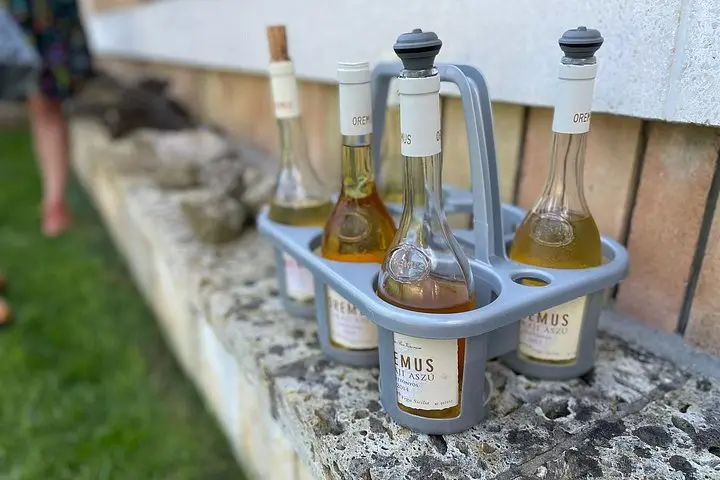
This full-day tour traces that geological and cultural logic. Tokaj-Hegyalja’s volcanic and clay soils, warmed by the Bodrog and Tisza rivers, create the microclimate where Botrytis cinerea concentrates sugars and aromas into the legendary Aszú. Disznókő introduces the region’s modern winemaking — gravity-flow cellars, oak maturation, and a tasting that moves from dry whites to concentrated sweet vintages — while Oremus connects visitors to the very origin story of Tokaji Aszú and cellars with medieval roots.
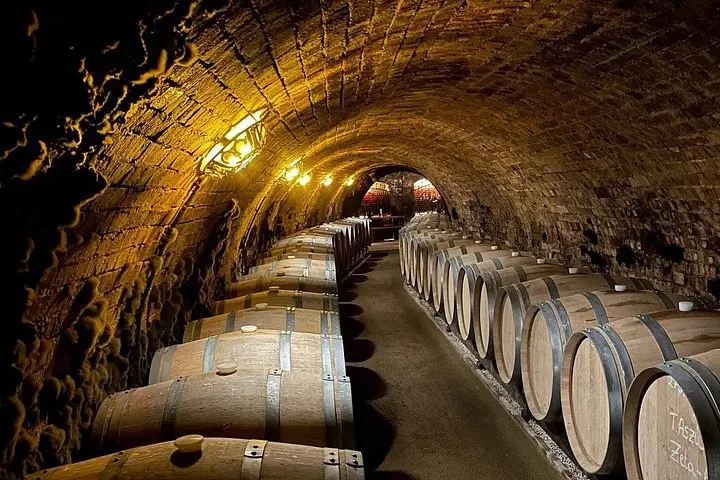
Between tastings there’s a change of pace: Sárospatak’s Rákóczi Castle and a restorative bowl of halászlé (fisherman’s soup) give context to local foodways, and Hercegkút’s Gomboshegy cellar row offers a glimpse of UNESCO-listed vernacular cellar architecture carved into tuff with steady cool and humidity ideal for aging.
Practicalities are straightforward: expect an 8–10 hour day with guided transport, 5–6 tasting pours, and a seated lunch. Wear comfortable shoes for short cellar walks and uneven village lanes; bring layers—cellars sit around 9–12°C—and a small daypack for purchases. The route is largely accessible to most fitness levels, but is not recommended for pregnant travelers. Book ahead for harvest and autumn when Aszú and cellar visits are at their most revealing.
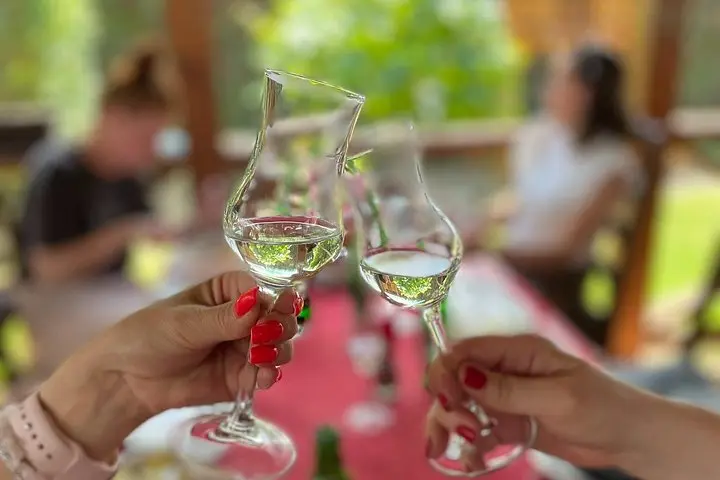
The tour runs about 8–10 hours and includes guided transport, entry and tastings at Disznókő and Oremus (approx. 5–6 samples), cellar visits, and a traditional halászlé lunch.
The program is not recommended for pregnant travelers; non-drinkers can still join but should notify the operator to arrange alternatives or reduced tasting volumes.
The meeting point is typically in Tokaj; some tours offer regional pickup—confirm with the provider when booking for any pickup options from nearby towns like Miskolc.
Yes—most estates sell bottles on-site, but small cellar rows may prefer cash and have limited card facilities, so bring some cash for immediate purchases.
Tokaj wine tours in Slovakia and Hungary operates guided outdoor trips and adventures with an emphasis on safety, stewardship, and memorable experiences.

Standing on Teresia Chapel’s sun-washed hill, you can see how the land conspires with climate: river fog pooling in the folds between vineyards, rhyolite tuff holding heat, and slopes angled to catch the late autumn light that invites noble rot to do its work.
Standing on Teresia Chapel’s sun-washed hill, you can see how the land conspires with climate: river fog pooling in the folds between vineyards, rhyolite tuff holding heat, and slopes angled to catch the late autumn light that invites noble rot to do its work.
This full-day tour traces that geological and cultural logic. Tokaj-Hegyalja’s volcanic and clay soils, warmed by the Bodrog and Tisza rivers, create the microclimate where Botrytis cinerea concentrates sugars and aromas into the legendary Aszú. Disznókő introduces the region’s modern winemaking — gravity-flow cellars, oak maturation, and a tasting that moves from dry whites to concentrated sweet vintages — while Oremus connects visitors to the very origin story of Tokaji Aszú and cellars with medieval roots.
Between tastings there’s a change of pace: Sárospatak’s Rákóczi Castle and a restorative bowl of halászlé (fisherman’s soup) give context to local foodways, and Hercegkút’s Gomboshegy cellar row offers a glimpse of UNESCO-listed vernacular cellar architecture carved into tuff with steady cool and humidity ideal for aging.
Practicalities are straightforward: expect an 8–10 hour day with guided transport, 5–6 tasting pours, and a seated lunch. Wear comfortable shoes for short cellar walks and uneven village lanes; bring layers—cellars sit around 9–12°C—and a small daypack for purchases. The route is largely accessible to most fitness levels, but is not recommended for pregnant travelers. Book ahead for harvest and autumn when Aszú and cellar visits are at their most revealing.