THE ADVENTURE COLLECTIVE® · Independent discovery and booking for outdoor travel

Move through Tokyo at your own pace with a four-day self-guided PDF itinerary that covers Senso-ji, Tsukiji, Shibuya and more. Designed for independent travelers, it blends landmark visits, market stops and neighborhood explorations with practical tips to avoid crowds.
Move through Tokyo at your own pace with a four-day self-guided PDF itinerary that covers Senso-ji, Tsukiji, Shibuya and more. Designed for independent travelers, it blends landmark visits, market stops and neighborhood explorations with practical tips to avoid crowds.
Morning light cuts across the Kaminarimon gate and the smell of grilled fish fingers the air — this is Tokyo on foot: equal parts ritual and invention. Over four days a self-guided PDF itinerary moves travelers through Senso-ji’s lanterned lanes, the frenetic scramble of Shibuya Crossing, the seafood stalls of Tsukiji and the neon hinterlands of Akihabara and Shinjuku.
Verified experiences and guided adventures in the surrounding area.
Operated by Sunrise Adventure · Tokyo, Tokyo
Morning light cuts across the Kaminarimon gate and the smell of grilled fish fingers the air — this is Tokyo on foot: equal parts ritual and invention. Over four days a self-guided PDF itinerary moves travelers through Senso-ji’s lanterned lanes, the frenetic scramble of Shibuya Crossing, the seafood stalls of Tsukiji and the neon hinterlands of Akihabara and Shinjuku.
Tokyo’s streets are layered history: Edo-era temples and the Imperial Palace gardens sit beside post-war rebuilding and glass-clad skyscrapers. Geologically the city rests on alluvial plain and reclaimed bayfill, which shapes its waterways and waterfront parks like Odaiba. Culturally, the route balances temple etiquette, market bargaining and modern subcultures — from Harajuku’s youth fashion to Akihabara’s tech niche.
Expect long blocks of walking, short detours for specialty shops, and timed visits to free viewpoints like the Tokyo Metropolitan Government Building. The PDF format gives flexible start times and alternatives to avoid peak crowds; it’s ideal for independent travelers who want structure without a guide.
Practical notes: use an IC transit card for trains, download offline maps, and set aside early mornings for Tsukiji. Respect temple customs (bow, remove hats) and pack a lightweight rain layer — weather shifts quickly. Hydrate, wear breathable shoes for ~8–12 km days, and budget extra time for unexpected finds: a tiny izakaya, a hidden shrine, or a quiet garden pond where koi push through sunlight.
The operator emails the PDF itinerary; allow 2–3 business days — check spam folders and download before arrival.
Yes — the route is designed around Tokyo’s subway and JR networks; stations are near most stops and the PDF lists transit options.
Most included stops are public spaces or markets; for paid museums or teamLab exhibits, reserve tickets separately during peak seasons.
Yes — it’s self-guided with flexible pacing and rests; participants should be comfortable walking several hours per day.
Sunrise Adventure operates guided outdoor trips and adventures with an emphasis on safety, stewardship, and memorable experiences.
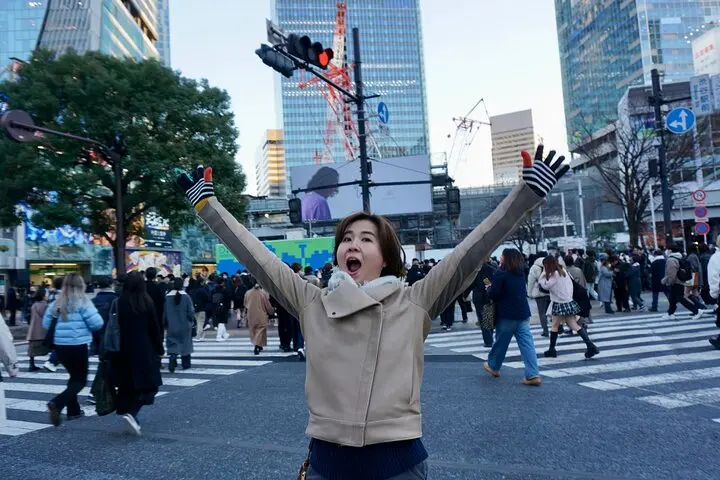
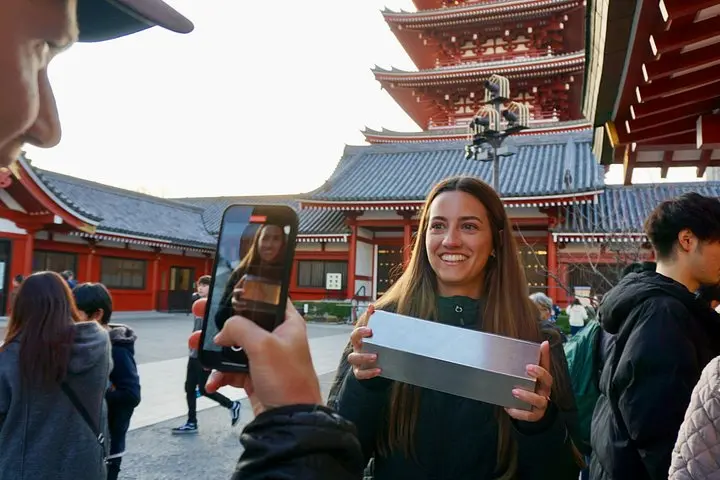
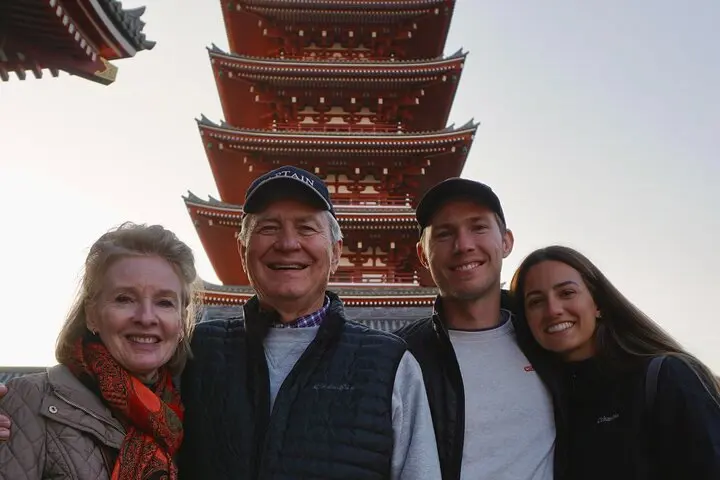
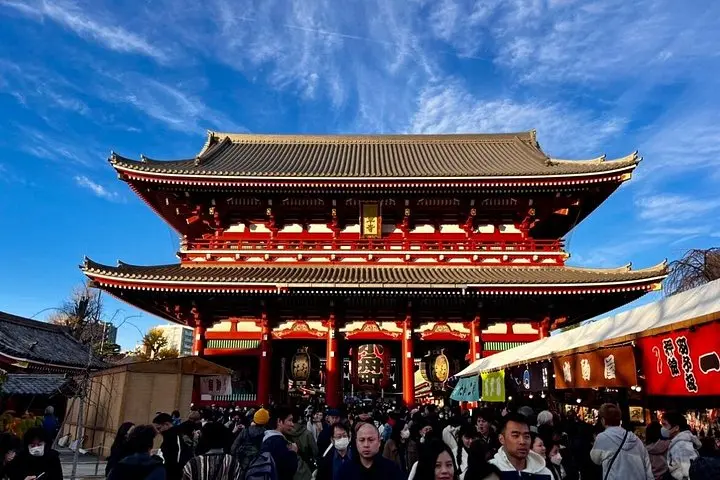
Morning light cuts across the Kaminarimon gate and the smell of grilled fish fingers the air — this is Tokyo on foot: equal parts ritual and invention. Over four days a self-guided PDF itinerary moves travelers through Senso-ji’s lanterned lanes, the frenetic scramble of Shibuya Crossing, the seafood stalls of Tsukiji and the neon hinterlands of Akihabara and Shinjuku.
Morning light cuts across the Kaminarimon gate and the smell of grilled fish fingers the air — this is Tokyo on foot: equal parts ritual and invention. Over four days a self-guided PDF itinerary moves travelers through Senso-ji’s lanterned lanes, the frenetic scramble of Shibuya Crossing, the seafood stalls of Tsukiji and the neon hinterlands of Akihabara and Shinjuku.
Tokyo’s streets are layered history: Edo-era temples and the Imperial Palace gardens sit beside post-war rebuilding and glass-clad skyscrapers. Geologically the city rests on alluvial plain and reclaimed bayfill, which shapes its waterways and waterfront parks like Odaiba. Culturally, the route balances temple etiquette, market bargaining and modern subcultures — from Harajuku’s youth fashion to Akihabara’s tech niche.
Expect long blocks of walking, short detours for specialty shops, and timed visits to free viewpoints like the Tokyo Metropolitan Government Building. The PDF format gives flexible start times and alternatives to avoid peak crowds; it’s ideal for independent travelers who want structure without a guide.
Practical notes: use an IC transit card for trains, download offline maps, and set aside early mornings for Tsukiji. Respect temple customs (bow, remove hats) and pack a lightweight rain layer — weather shifts quickly. Hydrate, wear breathable shoes for ~8–12 km days, and budget extra time for unexpected finds: a tiny izakaya, a hidden shrine, or a quiet garden pond where koi push through sunlight.