THE ADVENTURE COLLECTIVE® · Independent discovery and booking for outdoor travel

Zip a compact go-kart through Tokyo’s ceremonial streets and neon districts on a guided 1.5–2 hour tour from Skytree to Ginza. Expect cultural snapshots, licensed driving requirements, and practical tips to keep the ride smooth and legal.
Zip a compact go-kart through Tokyo’s ceremonial streets and neon districts on a guided 1.5–2 hour tour from Skytree to Ginza. Expect cultural snapshots, licensed driving requirements, and practical tips to keep the ride smooth and legal.
The engine settles into a steady hum as neon and early-morning light slide past the helmet visor. You pull away from the Kartzilla facility and the Tokyo Skytree arcs above like a modern mast; Tokyo’s streets tighten and open in rapid succession — a city that dares you to keep pace.
Verified experiences and guided adventures in the surrounding area.
Operated by Kartzilla Go Kart Tours | Top Cultural & Historic Destinations in Tokyo · Tokyo, Tokyo
The engine settles into a steady hum as neon and early-morning light slide past the helmet visor. You pull away from the Kartzilla facility and the Tokyo Skytree arcs above like a modern mast; Tokyo’s streets tighten and open in rapid succession — a city that dares you to keep pace.
This urban route threads centuries of history: Edo-era alleyways that led to samurai residences, the red-brick facade of Tokyo Station from the Meiji modernization, and the Imperial Palace grounds that rest on the footprint of old Edo Castle. Tokyo Bay itself is largely reclaimed land, where Toyosu and Harumi testify to engineered shorelines and modern urban planning.
Culturally the tour compresses Tokyo’s contrasts — sumo’s Ryogoku, Akihabara’s otaku energy, Ginza’s polished storefronts — into a kinetic snapshot. Guides point out stories behind buildings, and the city’s rhythms explain themselves through traffic lights and crosswalk choruses.
Practically: the route is street legal and guided, but it demands attention. You’ll need the correct driving documents, a brief safety orientation, and comfortable, closed-toe footwear. Avoid rush hour, keep your costume safe for visibility, and secure cameras to mounts rather than handheld. Expect 1.5–2 hours of riding with frequent photo pauses; speeds are moderated by city rules, but the sensation of skirting Tokyo’s landmarks remains high-adrenaline.
For urban explorers this is a focused, playful way to read Tokyo’s layers — not a race, but a fast-moving primer on a city that keeps pushing forward.
Yes: you must present a valid local driving license and, where applicable, an International Driving Permit (1949 Geneva Convention); check operator requirements for SOFA or translated licenses.
Costumes are typically permitted and often encouraged for photos, but they must not interfere with helmets, visibility, or safe operation of the vehicle.
The starting facility and some transportation options are wheelchair accessible, but the go-karts themselves require the ability to transfer and operate pedals, so the driving portion may not be accessible to all.
Tours may be canceled or rescheduled for heavy rain or unsafe road conditions; operators usually offer a full refund if canceled 24 hours in advance.
Kartzilla Go Kart Tours | Top Cultural & Historic Destinations in Tokyo operates guided outdoor trips and adventures with an emphasis on safety, stewardship, and memorable experiences.
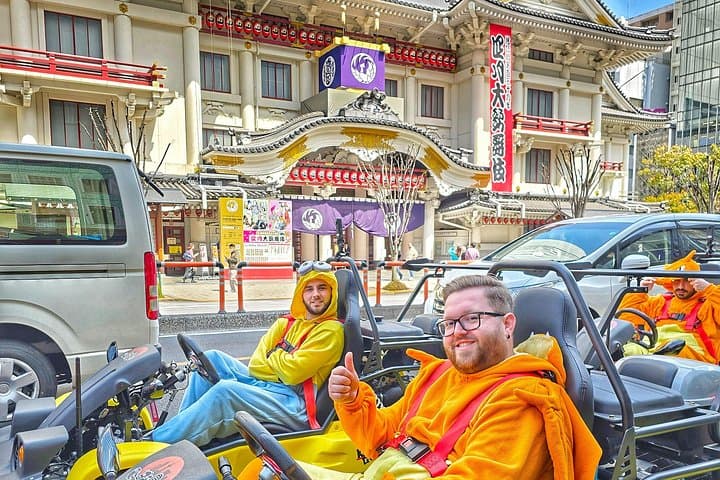
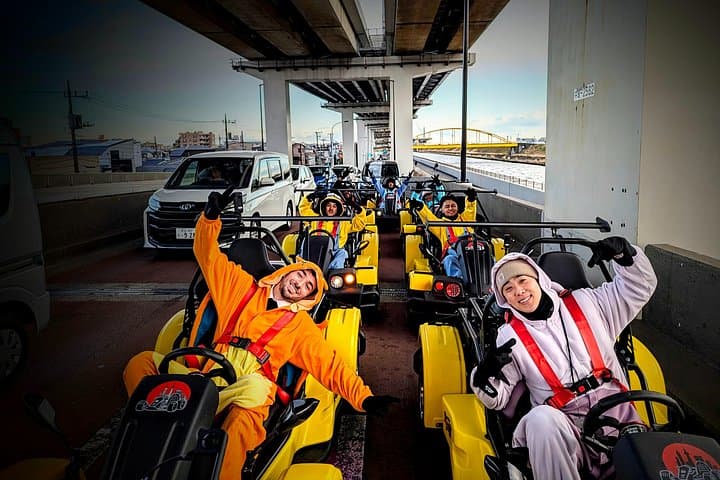
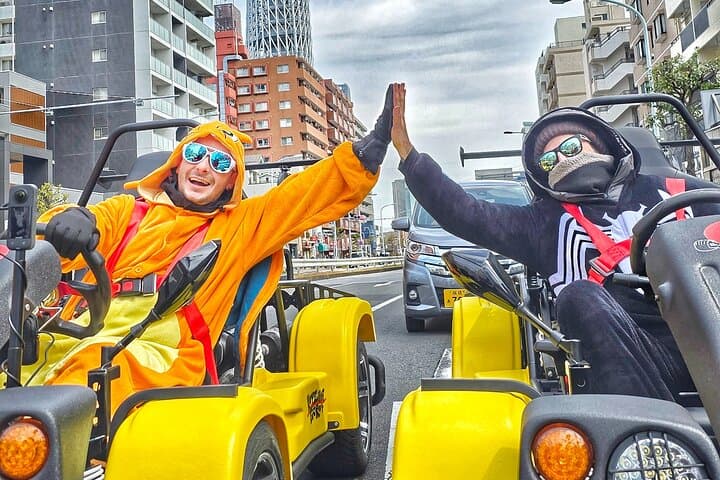
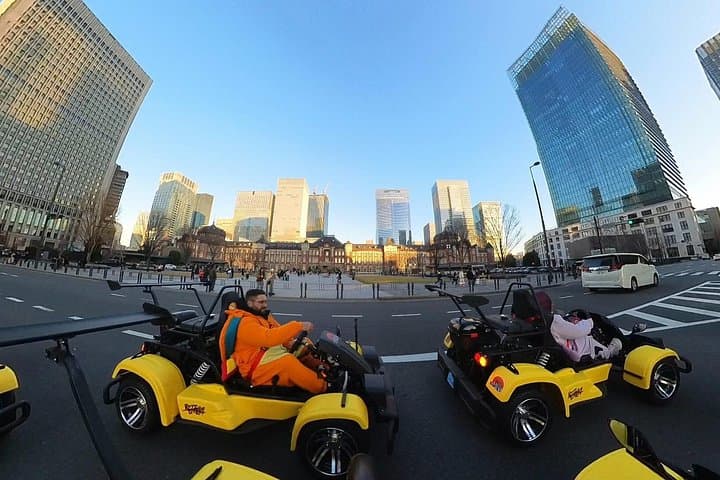
The engine settles into a steady hum as neon and early-morning light slide past the helmet visor. You pull away from the Kartzilla facility and the Tokyo Skytree arcs above like a modern mast; Tokyo’s streets tighten and open in rapid succession — a city that dares you to keep pace.
The engine settles into a steady hum as neon and early-morning light slide past the helmet visor. You pull away from the Kartzilla facility and the Tokyo Skytree arcs above like a modern mast; Tokyo’s streets tighten and open in rapid succession — a city that dares you to keep pace.
This urban route threads centuries of history: Edo-era alleyways that led to samurai residences, the red-brick facade of Tokyo Station from the Meiji modernization, and the Imperial Palace grounds that rest on the footprint of old Edo Castle. Tokyo Bay itself is largely reclaimed land, where Toyosu and Harumi testify to engineered shorelines and modern urban planning.
Culturally the tour compresses Tokyo’s contrasts — sumo’s Ryogoku, Akihabara’s otaku energy, Ginza’s polished storefronts — into a kinetic snapshot. Guides point out stories behind buildings, and the city’s rhythms explain themselves through traffic lights and crosswalk choruses.
Practically: the route is street legal and guided, but it demands attention. You’ll need the correct driving documents, a brief safety orientation, and comfortable, closed-toe footwear. Avoid rush hour, keep your costume safe for visibility, and secure cameras to mounts rather than handheld. Expect 1.5–2 hours of riding with frequent photo pauses; speeds are moderated by city rules, but the sensation of skirting Tokyo’s landmarks remains high-adrenaline.
For urban explorers this is a focused, playful way to read Tokyo’s layers — not a race, but a fast-moving primer on a city that keeps pushing forward.