THE ADVENTURE COLLECTIVE® · Independent discovery and booking for outdoor travel

Three days that compress Tokyo’s urban energy, Hakone’s volcanic drama, pristine views of Mt. Fuji, and the sacred shrines of Nikko into a single private itinerary. Expect long days, curated photo stops, and a local guide who knows where to beat the crowds.
Three days that compress Tokyo’s urban energy, Hakone’s volcanic drama, pristine views of Mt. Fuji, and the sacred shrines of Nikko into a single private itinerary. Expect long days, curated photo stops, and a local guide who knows where to beat the crowds.
The taxi slips away from a neon-slick intersection and, within minutes, Tokyo’s clamor thins to a measured hum. On day one the group pours out at Tsukiji Outer Market — the smell of grilled fish and soy hits first — and the guide sketches the plan: Shibuya’s scramble, the whispering torii at Meiji, a skyline view from Tokyo Tower. By dusk the city’s lights rearrange themselves under the Skytree’s needle; this is travel that shifts gears between metropolitan rhythm and mountain hush.
Verified experiences and guided adventures in the surrounding area.
Operated by Tomotachi Tours · Tokyo, Tokyo
The taxi slips away from a neon-slick intersection and, within minutes, Tokyo’s clamor thins to a measured hum. On day one the group pours out at Tsukiji Outer Market — the smell of grilled fish and soy hits first — and the guide sketches the plan: Shibuya’s scramble, the whispering torii at Meiji, a skyline view from Tokyo Tower. By dusk the city’s lights rearrange themselves under the Skytree’s needle; this is travel that shifts gears between metropolitan rhythm and mountain hush.
Over three days the route reads like a primer on Japan’s contrasts. Tokyo’s Edo-era bones surface in the Imperial Palace walls and Sensoji’s lanes; Meiji Shrine frames the Meiji Restoration that vaulted Japan into modernity. Geologically the itinerary arcs toward volcanic theater: Hakone’s Lake Ashinoko sits in a 3,000-year-old caldera and Owakudani lets sulfur vents remind you the ground is alive. Mount Fuji—3,776 meters of stratovolcanic profile—dominates the Fuji Five Lakes region; the Fuji Subaru Line 5th Station at roughly 2,305 m is the practical high point for most sightseers. Finally, Nikko returns the traveler to the sacred: Toshogu’s lacquered carvings and Shinkyo Bridge recall Tokugawa pageantry and the country’s long allegiance to Shinto and Buddhist rites.
Cultural notes matter here. Hakone’s torii in Lake Ashi is less a photo prop than a local locus of devotion; Toshogu’s gilded excess celebrated a shogun whose family shaped three centuries of governance. Guides on this private itinerary temper photo stops with etiquette: remove hats at shrines, speak quietly, and never step on shrine thresholds used by worshippers.
Practical guidance: expect long days and lots of short walks—plan on 6–10 miles of walking spread across three days, interspersed with drives of one to three hours. Footwear should be sturdy but comfortable—cobblestones, shrine steps and viewing platforms favor grip over fashion. Weather on the lower slopes can change fast: mornings around Fuji are crisp, afternoons in Hakone foggy; pack a light waterproof shell and layers. If you want the summit of Fuji, note this itinerary stops at the 5th Station—climbing the mountain requires a separate, timed permit and full alpine gear.
The tour’s value is in pacing and local knowledge: skip‑the‑line access, curated photo vantage points (Kawaguchiko’s north shore at sunrise, Hakone’s lakeside torii at late afternoon), and a local driver who understands mountain roads and shrine hours. For first-timers this three-day loop is both orientation and invitation — to come back slower, higher, or just with more appetite for a country that keeps one foot in history and another on the ridge.
Yes — the tour offers hotel pickup across central Tokyo; confirm your exact pickup point when booking.
No — this itinerary reaches the Fuji Subaru Line 5th Station for views; summit climbs require separate reservations, seasonal permits and full climbing gear.
Some logistics like gasoline and tolls are included, but meals are generally not — guides will recommend local restaurants and markets.
The operator lists wheelchair-accessible options and accessible transportation — contact them with specifics about mobility needs when booking.
Tipping is not customary in Japan but appreciated; a small gesture is acceptable for exceptional service.
Bring small change for entrance fees or shrine offerings, keep noise low, and avoid taking photos where signage prohibits them.
Tomotachi Tours operates guided outdoor trips and adventures with an emphasis on safety, stewardship, and memorable experiences.

The taxi slips away from a neon-slick intersection and, within minutes, Tokyo’s clamor thins to a measured hum. On day one the group pours out at Tsukiji Outer Market — the smell of grilled fish and soy hits first — and the guide sketches the plan: Shibuya’s scramble, the whispering torii at Meiji, a skyline view from Tokyo Tower. By dusk the city’s lights rearrange themselves under the Skytree’s needle; this is travel that shifts gears between metropolitan rhythm and mountain hush.
The taxi slips away from a neon-slick intersection and, within minutes, Tokyo’s clamor thins to a measured hum. On day one the group pours out at Tsukiji Outer Market — the smell of grilled fish and soy hits first — and the guide sketches the plan: Shibuya’s scramble, the whispering torii at Meiji, a skyline view from Tokyo Tower. By dusk the city’s lights rearrange themselves under the Skytree’s needle; this is travel that shifts gears between metropolitan rhythm and mountain hush.
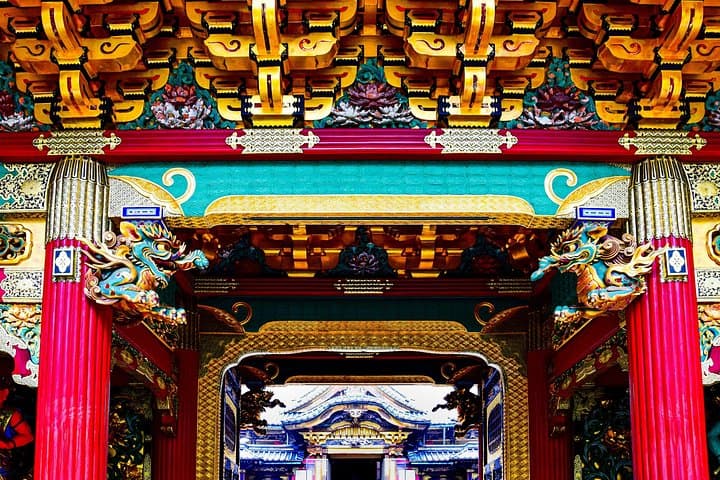
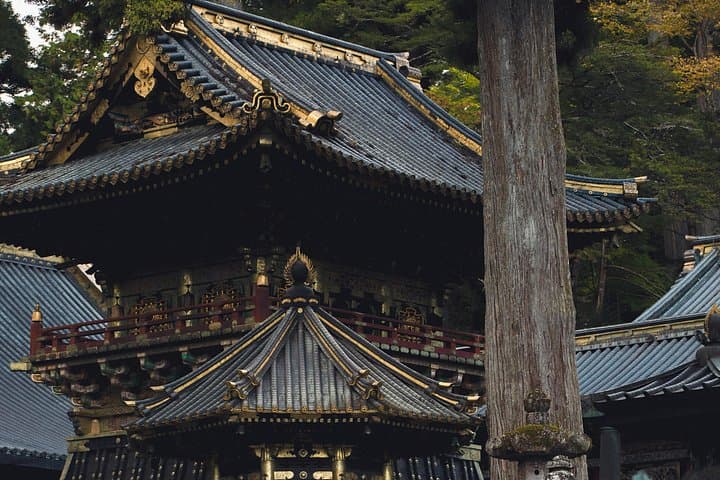
Over three days the route reads like a primer on Japan’s contrasts. Tokyo’s Edo-era bones surface in the Imperial Palace walls and Sensoji’s lanes; Meiji Shrine frames the Meiji Restoration that vaulted Japan into modernity. Geologically the itinerary arcs toward volcanic theater: Hakone’s Lake Ashinoko sits in a 3,000-year-old caldera and Owakudani lets sulfur vents remind you the ground is alive. Mount Fuji—3,776 meters of stratovolcanic profile—dominates the Fuji Five Lakes region; the Fuji Subaru Line 5th Station at roughly 2,305 m is the practical high point for most sightseers. Finally, Nikko returns the traveler to the sacred: Toshogu’s lacquered carvings and Shinkyo Bridge recall Tokugawa pageantry and the country’s long allegiance to Shinto and Buddhist rites.
Cultural notes matter here. Hakone’s torii in Lake Ashi is less a photo prop than a local locus of devotion; Toshogu’s gilded excess celebrated a shogun whose family shaped three centuries of governance. Guides on this private itinerary temper photo stops with etiquette: remove hats at shrines, speak quietly, and never step on shrine thresholds used by worshippers.
Practical guidance: expect long days and lots of short walks—plan on 6–10 miles of walking spread across three days, interspersed with drives of one to three hours. Footwear should be sturdy but comfortable—cobblestones, shrine steps and viewing platforms favor grip over fashion. Weather on the lower slopes can change fast: mornings around Fuji are crisp, afternoons in Hakone foggy; pack a light waterproof shell and layers. If you want the summit of Fuji, note this itinerary stops at the 5th Station—climbing the mountain requires a separate, timed permit and full alpine gear.
The tour’s value is in pacing and local knowledge: skip‑the‑line access, curated photo vantage points (Kawaguchiko’s north shore at sunrise, Hakone’s lakeside torii at late afternoon), and a local driver who understands mountain roads and shrine hours. For first-timers this three-day loop is both orientation and invitation — to come back slower, higher, or just with more appetite for a country that keeps one foot in history and another on the ridge.