THE ADVENTURE COLLECTIVE® · Independent discovery and booking for outdoor travel

Take a short, high-impact helicopter flight over Tokyo’s major sights—Tokyo Tower, Skytree, Shibuya Crossing and Rainbow Bridge—offering a rare aerial perspective. This quick tour is ideal for travelers who want a compact, visually striking introduction to the city from above.
Take a short, high-impact helicopter flight over Tokyo’s major sights—Tokyo Tower, Skytree, Shibuya Crossing and Rainbow Bridge—offering a rare aerial perspective. This quick tour is ideal for travelers who want a compact, visually striking introduction to the city from above.
You lift off from Tokyo Heliport and the city spreads beneath like a living map: glass towers, river veins, and the slow geometry of reclaimed land. From the helicopter’s open-window vantage the Tokyo Tower pins the midtown skyline while the Tokyo Skytree rises farther east like a modern lighthouse; below, Shibuya’s intersecting flow of pedestrians looks organized chaos from above.
Verified experiences and guided adventures in the surrounding area.
Operated by Smash Planner · Tokyo, Tokyo
You lift off from Tokyo Heliport and the city spreads beneath like a living map: glass towers, river veins, and the slow geometry of reclaimed land. From the helicopter’s open-window vantage the Tokyo Tower pins the midtown skyline while the Tokyo Skytree rises farther east like a modern lighthouse; below, Shibuya’s intersecting flow of pedestrians looks organized chaos from above.
Tokyo’s layout is a product of Edo’s waterways and post-war rebuilding—rivers carved transportation corridors, and decades of land reclamation shaped the bayfront neighborhoods you’ll pass over. Geologically the metropolis sits on alluvial plains and man-made islands, so your view will include the contrast between dense, historic blocks and broad, engineered shorelines like Odaiba and Rainbow Bridge.
Culturally you’ll see shrines and stadiums squeezed next to neon and office blocks, a skyline that narrates Japan’s industrial rise and contemporary design. Locals treat aerial views as a way to reframe familiar streets: landmarks acquire new grammar from above.
Practical guidance: the flight itself is roughly 10–15 minutes in the air, but allow extra time for check-in and safety briefings. Bring a fast lens and a polarized filter for clearer shots; windows can reflect, so request a seat with the cleanest glass. Weight and safety limits apply—operators take measurements at booking—so confirm requirements ahead of time. Weather cancels are common; schedule your flight early in the day for crisper light and calmer winds. Expect noise, brief vibrations, and a compact, highly supervised experience that delivers a compact but unforgettable view of Tokyo.
The airborne portion is about 10–15 minutes; total visit time is longer to accommodate check-in and safety briefings.
Yes—operators typically enforce weight limits and ask for passenger weights at booking; infants and children may have special seating or limits, so confirm in advance.
Most companies offer a full refund or a reschedule if they cancel due to weather; check the operator’s 24-hour cancellation policy for details.
Yes—photography is allowed. Use a fast lens, disable flash, and secure devices with straps to prevent drops.
Smash Planner operates guided outdoor trips and adventures with an emphasis on safety, stewardship, and memorable experiences.
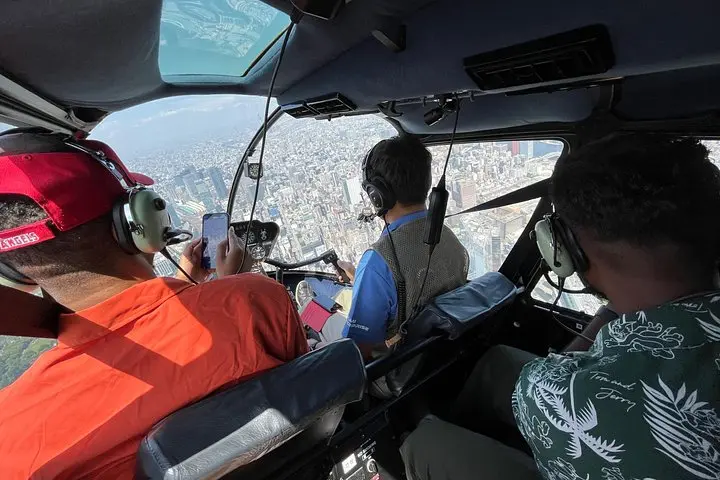
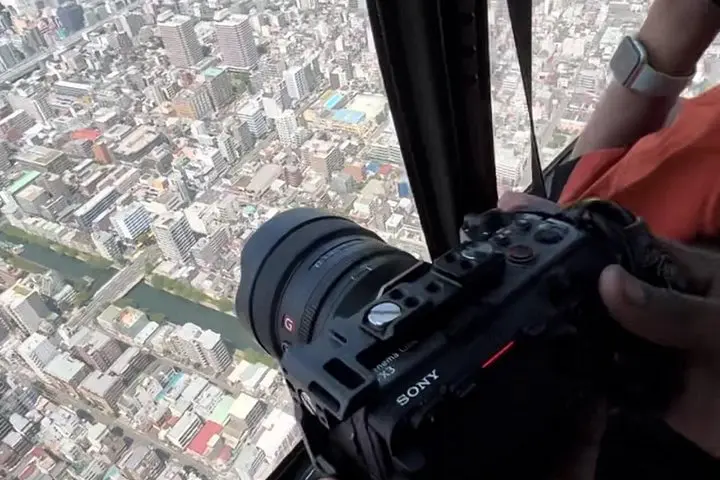

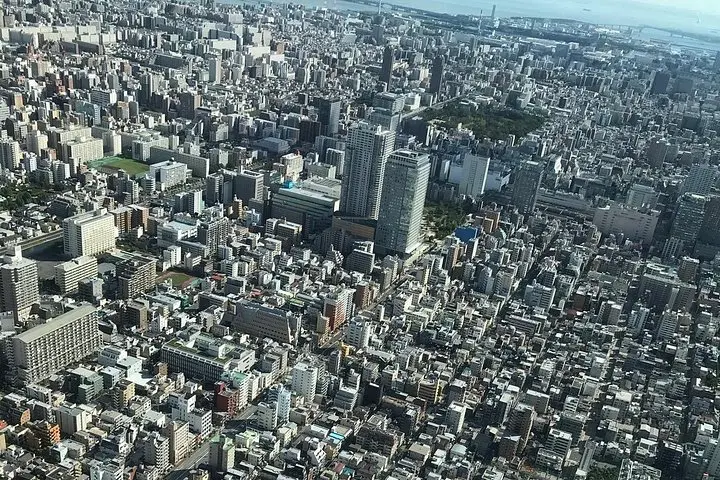
You lift off from Tokyo Heliport and the city spreads beneath like a living map: glass towers, river veins, and the slow geometry of reclaimed land. From the helicopter’s open-window vantage the Tokyo Tower pins the midtown skyline while the Tokyo Skytree rises farther east like a modern lighthouse; below, Shibuya’s intersecting flow of pedestrians looks organized chaos from above.
You lift off from Tokyo Heliport and the city spreads beneath like a living map: glass towers, river veins, and the slow geometry of reclaimed land. From the helicopter’s open-window vantage the Tokyo Tower pins the midtown skyline while the Tokyo Skytree rises farther east like a modern lighthouse; below, Shibuya’s intersecting flow of pedestrians looks organized chaos from above.
Tokyo’s layout is a product of Edo’s waterways and post-war rebuilding—rivers carved transportation corridors, and decades of land reclamation shaped the bayfront neighborhoods you’ll pass over. Geologically the metropolis sits on alluvial plains and man-made islands, so your view will include the contrast between dense, historic blocks and broad, engineered shorelines like Odaiba and Rainbow Bridge.
Culturally you’ll see shrines and stadiums squeezed next to neon and office blocks, a skyline that narrates Japan’s industrial rise and contemporary design. Locals treat aerial views as a way to reframe familiar streets: landmarks acquire new grammar from above.
Practical guidance: the flight itself is roughly 10–15 minutes in the air, but allow extra time for check-in and safety briefings. Bring a fast lens and a polarized filter for clearer shots; windows can reflect, so request a seat with the cleanest glass. Weight and safety limits apply—operators take measurements at booking—so confirm requirements ahead of time. Weather cancels are common; schedule your flight early in the day for crisper light and calmer winds. Expect noise, brief vibrations, and a compact, highly supervised experience that delivers a compact but unforgettable view of Tokyo.