THE ADVENTURE COLLECTIVE® · Independent discovery and booking for outdoor travel

Join a paced 5 km run around Tokyo’s Imperial Palace with a trivia-obsessed local guide. Expect historic gates, Nijubashi Bridge photo stops, and practical tips for runners of mixed abilities.
Join a paced 5 km run around Tokyo’s Imperial Palace with a trivia-obsessed local guide. Expect historic gates, Nijubashi Bridge photo stops, and practical tips for runners of mixed abilities.
A cool morning wind pushes off the moat as your small group assembles at JOGLIS, laced into running shoes and listening for the guide’s first historical aside. You set off from Hanzomon, descending Miyake-zaka — a famously pretty slope — and the city opens into long avenues framed by castle stonework and maples.
Verified experiences and guided adventures in the surrounding area.
Operated by TOKYO ACTIVE TOURS · Tokyo, Tokyo
A cool morning wind pushes off the moat as your small group assembles at JOGLIS, laced into running shoes and listening for the guide’s first historical aside. You set off from Hanzomon, descending Miyake-zaka — a famously pretty slope — and the city opens into long avenues framed by castle stonework and maples.
The route follows the roughly 5 km outer loop around the Imperial Palace moat, a mix of flat paved sections and short climbs (notably Kitahanebashi). You’ll pass Sakuradamon Gate and the clock square where local runners time themselves, cross the photogenic Nijubashi Bridge, and finish with a run down Gyoko-dori resembling Tokyo Marathon’s final stretch before entering the East Gardens for a quieter, stony, gardened section.
Historically this ground was Edo Castle, the Tokugawa seat until 1868; the remaining stone walls and reconstructed turrets are tangible links to that feudal grid. Geology is simple urban fill and quarried stone walls; culturally the loop doubles as a city fitness circuit and a ceremonial axis for state events. Expect regular checkpoints, occasional baggage inspections at garden entrances, and local runners sharing tempo tips.
Practical: the tour lasts about 2–3 hours and is led in Japanese with simple English; a moderate fitness level is required. Surfaces are mostly even pavement; bring a small hydration system, lightweight layers, and cash for optional JOGLIS lockers/showers (¥1,500). Start early to avoid crowds and the midday heat, and be prepared to walk through the East Gardens where steps and gates slow the pace.
The typical route covers the ~5 km outer loop at a run-and-walk pace tailored to the group; expect stops for photos and commentary.
Guiding is primarily in Japanese with simple English provided so non-fluent speakers can follow key points.
Yes — JOGLIS offers lockers and showers for about ¥1,500 if you want to change before or after the run.
The tour is canceled in bad weather; for a full refund cancel at least 24 hours before the scheduled start.
TOKYO ACTIVE TOURS operates guided outdoor trips and adventures with an emphasis on safety, stewardship, and memorable experiences.
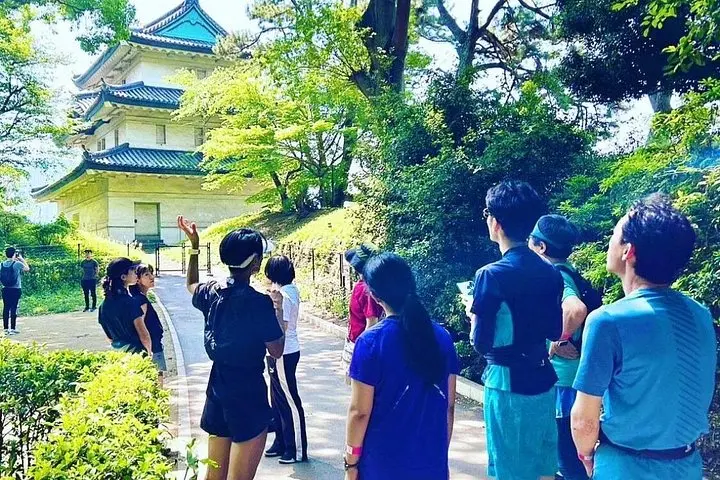
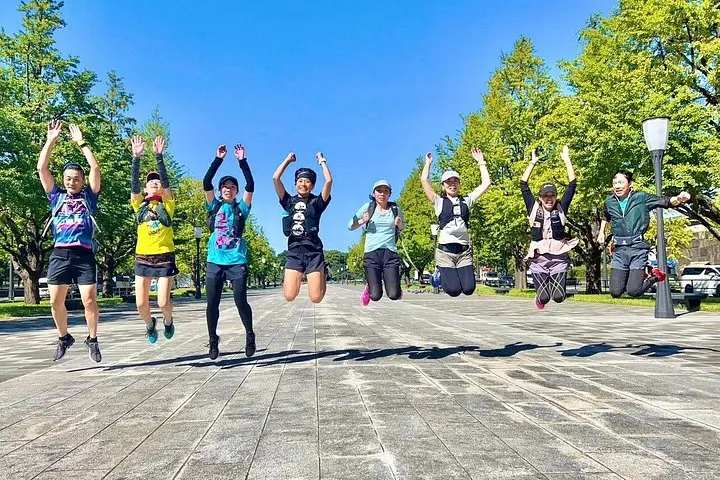
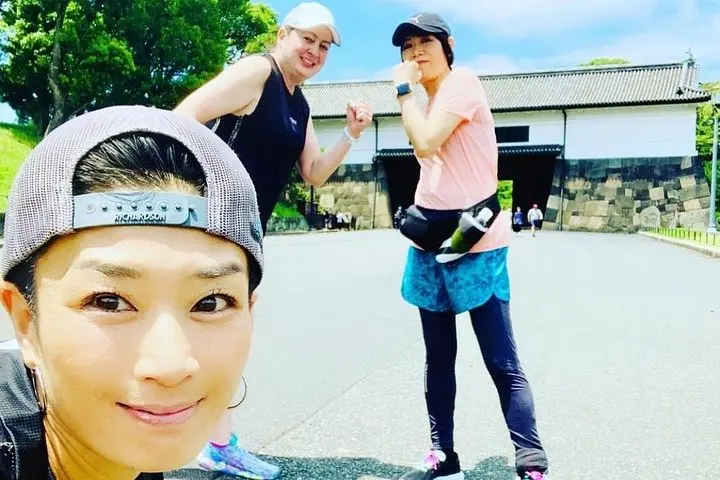
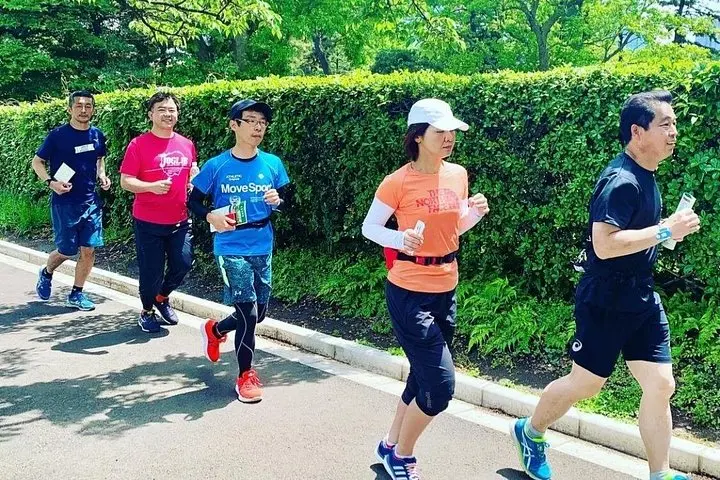
A cool morning wind pushes off the moat as your small group assembles at JOGLIS, laced into running shoes and listening for the guide’s first historical aside. You set off from Hanzomon, descending Miyake-zaka — a famously pretty slope — and the city opens into long avenues framed by castle stonework and maples.
A cool morning wind pushes off the moat as your small group assembles at JOGLIS, laced into running shoes and listening for the guide’s first historical aside. You set off from Hanzomon, descending Miyake-zaka — a famously pretty slope — and the city opens into long avenues framed by castle stonework and maples.
The route follows the roughly 5 km outer loop around the Imperial Palace moat, a mix of flat paved sections and short climbs (notably Kitahanebashi). You’ll pass Sakuradamon Gate and the clock square where local runners time themselves, cross the photogenic Nijubashi Bridge, and finish with a run down Gyoko-dori resembling Tokyo Marathon’s final stretch before entering the East Gardens for a quieter, stony, gardened section.
Historically this ground was Edo Castle, the Tokugawa seat until 1868; the remaining stone walls and reconstructed turrets are tangible links to that feudal grid. Geology is simple urban fill and quarried stone walls; culturally the loop doubles as a city fitness circuit and a ceremonial axis for state events. Expect regular checkpoints, occasional baggage inspections at garden entrances, and local runners sharing tempo tips.
Practical: the tour lasts about 2–3 hours and is led in Japanese with simple English; a moderate fitness level is required. Surfaces are mostly even pavement; bring a small hydration system, lightweight layers, and cash for optional JOGLIS lockers/showers (¥1,500). Start early to avoid crowds and the midday heat, and be prepared to walk through the East Gardens where steps and gates slow the pace.