THE ADVENTURE COLLECTIVE® · Independent discovery and booking for outdoor travel

See Tokyo’s highlights in one efficient, private day from Yokohama. A licensed English-speaking guide and vehicle take you to 3–4 signature sites—temples, parks, markets and cityscapes—while handling logistics and timing.
See Tokyo’s highlights in one efficient, private day from Yokohama. A licensed English-speaking guide and vehicle take you to 3–4 signature sites—temples, parks, markets and cityscapes—while handling logistics and timing.
Morning light splits between glass towers as a private vehicle eases out of Yokohama and into Tokyo's layered neighborhoods—the city breathing around temples, parks and neon. In a single day you'll move from the wooden gates of Sensoji to the manicured lawns of Shinjuku Gyoen, feel the hush of Meiji Shrine's forest and watch commuters pour across Shibuya Crossing, each stop a different chapter of the city's story.
Verified experiences and guided adventures in the surrounding area.
Operated by Japan Guide Agency · Tokyo, Tokyo
Morning light splits between glass towers as a private vehicle eases out of Yokohama and into Tokyo's layered neighborhoods—the city breathing around temples, parks and neon. In a single day you'll move from the wooden gates of Sensoji to the manicured lawns of Shinjuku Gyoen, feel the hush of Meiji Shrine's forest and watch commuters pour across Shibuya Crossing, each stop a different chapter of the city's story.
Tokyo grew from Edo, the Tokugawa shogunate's seat for over 250 years, so the city's layout carries old moats, castle walls and tea gardens traced into modern blocks. Geology here is coastal plain and reclaimed land; the Sumida River still marks older trade routes while artificial islands like Odaiba recall 19th- and 20th-century responses to maritime threats and growth. Culture alternates between ritual—temples, shrines and garden design—and high-speed urban life: electronics in Akihabara, fashion in Harajuku, seafood at Tsukiji Outer Market.
Practical guidance: plan for an 8-hour day with 3–4 stops; traffic can add travel time, so start early. Wear comfortable walking shoes for short urban hikes between sites and bring cash for small vendors—many stalls accept only yen. Bring a light rain layer in spring and autumn and sun protection in summer; winters are cool and crisp. Let your licensed guide customize pacing and accessibility needs; they handle navigation and local entry logistics but confirm any mobility requirements when booking. Carry a compact power bank, a refillable water bottle and an appetite for contrasts—Tokyo rewards attention to both quiet gardens and loud city streets.
No, the standard tour includes a stop at the Imperial Palace grounds for exterior viewing and photos but does not include interior access to the palace buildings.
Pickup is organized from Yokohama—confirm an exact meeting point when booking; drop-off is typically back in Yokohama unless otherwise arranged in advance.
Yes, transportation options are wheelchair accessible, but you should notify the operator ahead to confirm space and any special equipment like car seats.
Meals are not included; the guide will recommend market stalls and restaurants where you can sample local dishes; budget time for a lunch stop.
Japan Guide Agency operates guided outdoor trips and adventures with an emphasis on safety, stewardship, and memorable experiences.
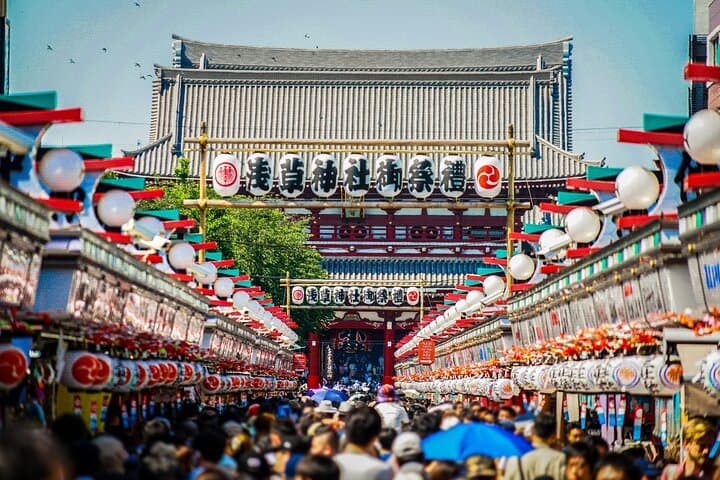
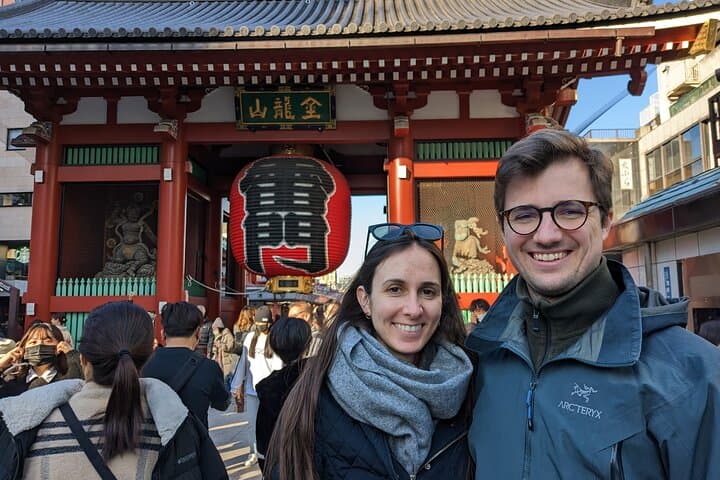
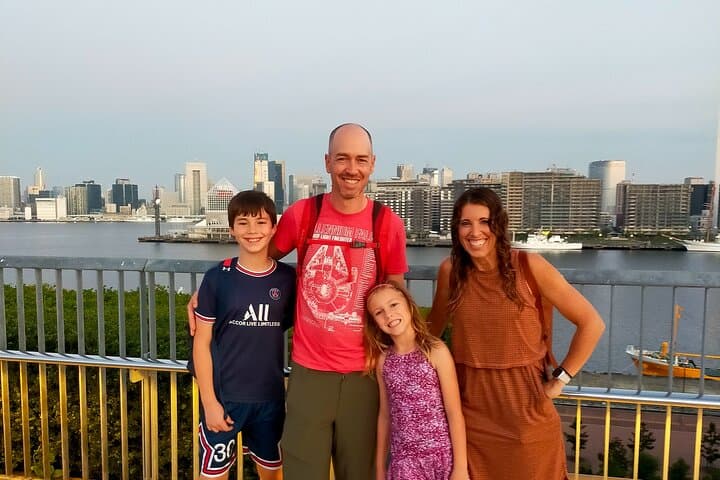
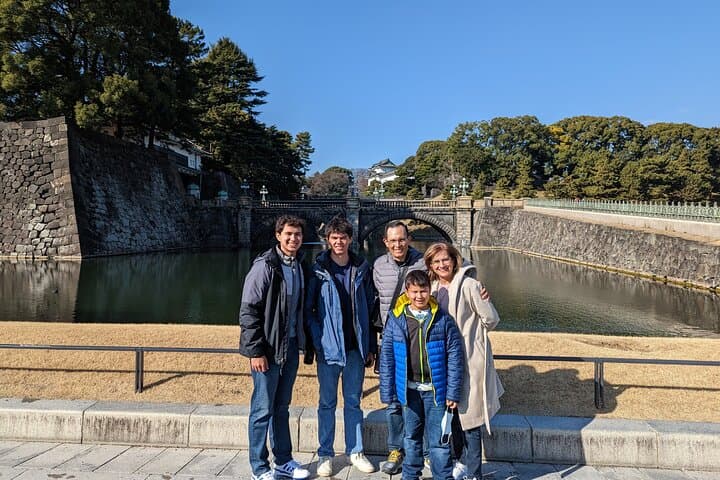
Morning light splits between glass towers as a private vehicle eases out of Yokohama and into Tokyo's layered neighborhoods—the city breathing around temples, parks and neon. In a single day you'll move from the wooden gates of Sensoji to the manicured lawns of Shinjuku Gyoen, feel the hush of Meiji Shrine's forest and watch commuters pour across Shibuya Crossing, each stop a different chapter of the city's story.
Morning light splits between glass towers as a private vehicle eases out of Yokohama and into Tokyo's layered neighborhoods—the city breathing around temples, parks and neon. In a single day you'll move from the wooden gates of Sensoji to the manicured lawns of Shinjuku Gyoen, feel the hush of Meiji Shrine's forest and watch commuters pour across Shibuya Crossing, each stop a different chapter of the city's story.
Tokyo grew from Edo, the Tokugawa shogunate's seat for over 250 years, so the city's layout carries old moats, castle walls and tea gardens traced into modern blocks. Geology here is coastal plain and reclaimed land; the Sumida River still marks older trade routes while artificial islands like Odaiba recall 19th- and 20th-century responses to maritime threats and growth. Culture alternates between ritual—temples, shrines and garden design—and high-speed urban life: electronics in Akihabara, fashion in Harajuku, seafood at Tsukiji Outer Market.
Practical guidance: plan for an 8-hour day with 3–4 stops; traffic can add travel time, so start early. Wear comfortable walking shoes for short urban hikes between sites and bring cash for small vendors—many stalls accept only yen. Bring a light rain layer in spring and autumn and sun protection in summer; winters are cool and crisp. Let your licensed guide customize pacing and accessibility needs; they handle navigation and local entry logistics but confirm any mobility requirements when booking. Carry a compact power bank, a refillable water bottle and an appetite for contrasts—Tokyo rewards attention to both quiet gardens and loud city streets.