THE ADVENTURE COLLECTIVE® · Independent discovery and booking for outdoor travel

See Tokyo’s contrasts in a single day: ancient temple approaches, palace gardens and the electric pulse of Akihabara and Shibuya. This private, customizable full‑day tour blends history, culture and practical local tips for a smooth day in the city.
See Tokyo’s contrasts in a single day: ancient temple approaches, palace gardens and the electric pulse of Akihabara and Shibuya. This private, customizable full‑day tour blends history, culture and practical local tips for a smooth day in the city.
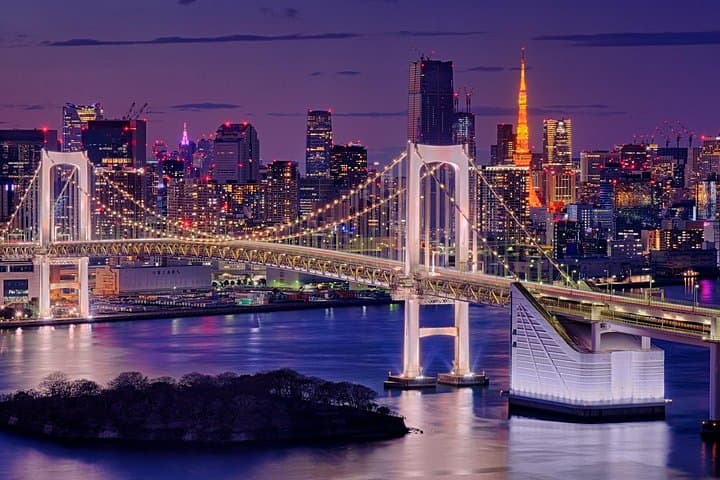
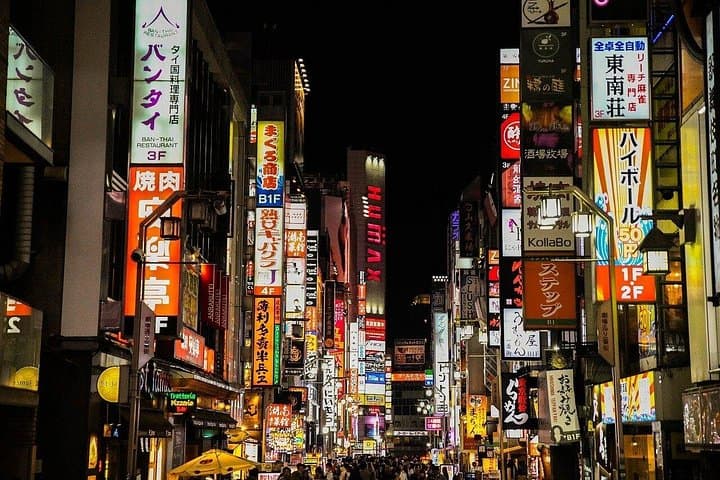
You meet your guide in a hotel lobby and the city unfolds—neon glass rising where waterways once ran, pine-lined approaches giving way to slick, mirrored towers. The morning begins in Asakusa, where the thunder of kakiya (lantern-carrying vendors) and the steady footfall toward Senso-ji place you inside a living chapter of Edo-era Tokyo.
Verified experiences and guided adventures in the surrounding area.
Operated by Travizta Tours · Tokyo, Tokyo
You meet your guide in a hotel lobby and the city unfolds—neon glass rising where waterways once ran, pine-lined approaches giving way to slick, mirrored towers. The morning begins in Asakusa, where the thunder of kakiya (lantern-carrying vendors) and the steady footfall toward Senso-ji place you inside a living chapter of Edo-era Tokyo.
From there the route threads through the Imperial Palace outer gardens, a wide green rim that hints at the city’s feudal core, then cuts to Akihabara’s electric streets where machines and manga jostle for attention. Meiji Shrine offers a contrasting hush: cedar gates that insist you slow down and listen. Finally, skytower platforms or busy Shibuya crossings show Tokyo’s vertical insistence—an urban geology of concrete, neon, and engineered sky.
Historically Tokyo shifted from Edo under the Tokugawa shogunate to the modern capital during the Meiji Restoration; the city’s mix of shrines and skyscrapers maps that transformation. Culturally expect ritual bows at shrines, polite commerce, and an appetite for small, excellent meals.
Practical guidance: plan for a full day on foot with short vehicle transfers; most stops don’t include paid admission so bring cash or cards. Wear broken-in shoes for paved streets and shrine gravel. Hydrate—convenience stores are frequent and reliable for quick refills. If you want specific sites added or a slower pace through neighborhoods like Yanaka, confirm when you book; private tours are customizable.
Private, air‑conditioned vehicle transport between sites is included along with hotel pickup and drop‑off.
Most stops listed are public areas; paid admissions (tower observation decks, museums) are usually not included—confirm with your guide.
Yes—transport and many public areas are accessible, but some shrine paths and older neighborhoods may have uneven surfaces; notify operators when booking.
Yes—this private tour is advertised as fully customizable; request specific neighborhoods or attractions when booking so the guide can plan timing.
Travizta Tours operates guided outdoor trips and adventures with an emphasis on safety, stewardship, and memorable experiences.
You meet your guide in a hotel lobby and the city unfolds—neon glass rising where waterways once ran, pine-lined approaches giving way to slick, mirrored towers. The morning begins in Asakusa, where the thunder of kakiya (lantern-carrying vendors) and the steady footfall toward Senso-ji place you inside a living chapter of Edo-era Tokyo.
You meet your guide in a hotel lobby and the city unfolds—neon glass rising where waterways once ran, pine-lined approaches giving way to slick, mirrored towers. The morning begins in Asakusa, where the thunder of kakiya (lantern-carrying vendors) and the steady footfall toward Senso-ji place you inside a living chapter of Edo-era Tokyo.
From there the route threads through the Imperial Palace outer gardens, a wide green rim that hints at the city’s feudal core, then cuts to Akihabara’s electric streets where machines and manga jostle for attention. Meiji Shrine offers a contrasting hush: cedar gates that insist you slow down and listen. Finally, skytower platforms or busy Shibuya crossings show Tokyo’s vertical insistence—an urban geology of concrete, neon, and engineered sky.
Historically Tokyo shifted from Edo under the Tokugawa shogunate to the modern capital during the Meiji Restoration; the city’s mix of shrines and skyscrapers maps that transformation. Culturally expect ritual bows at shrines, polite commerce, and an appetite for small, excellent meals.
Practical guidance: plan for a full day on foot with short vehicle transfers; most stops don’t include paid admission so bring cash or cards. Wear broken-in shoes for paved streets and shrine gravel. Hydrate—convenience stores are frequent and reliable for quick refills. If you want specific sites added or a slower pace through neighborhoods like Yanaka, confirm when you book; private tours are customizable.