THE ADVENTURE COLLECTIVE® · Independent discovery and booking for outdoor travel

Walk the cedar-lined approach to Meiji Jingu with a licensed guide, practice urban forest bathing, and finish with tea at Café Mori no Terrace. This private three-hour wellness tour blends history, ritual, and quiet green space in central Tokyo.
Walk the cedar-lined approach to Meiji Jingu with a licensed guide, practice urban forest bathing, and finish with tea at Café Mori no Terrace. This private three-hour wellness tour blends history, ritual, and quiet green space in central Tokyo.
You step beneath a wide wooden torii and the city's din narrows to a distant hum—towering zelkovas and cedars draft a cool, shaded corridor that leads to the heart of Meiji Jingu. Your licensed guide walks slowly, pausing at lanterns and sake barrels as sunlight lattices through the canopy; the air tastes faintly of moss and pressed leaves.
Verified experiences and guided adventures in the surrounding area.
Operated by itswellness org · Tokyo, Tokyo
You step beneath a wide wooden torii and the city's din narrows to a distant hum—towering zelkovas and cedars draft a cool, shaded corridor that leads to the heart of Meiji Jingu. Your licensed guide walks slowly, pausing at lanterns and sake barrels as sunlight lattices through the canopy; the air tastes faintly of moss and pressed leaves.
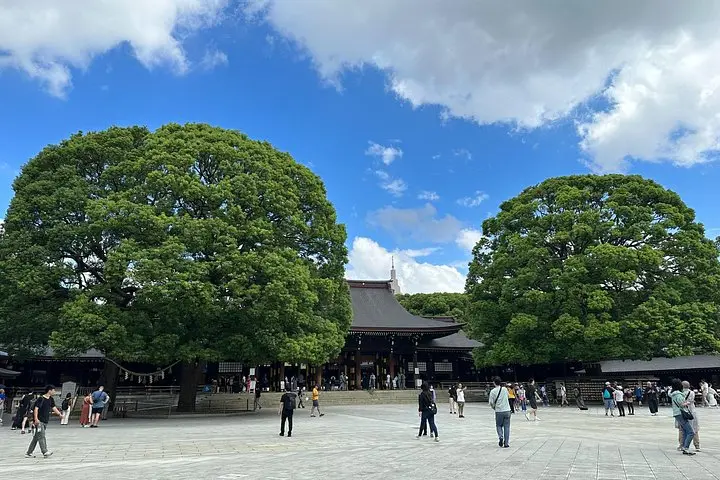
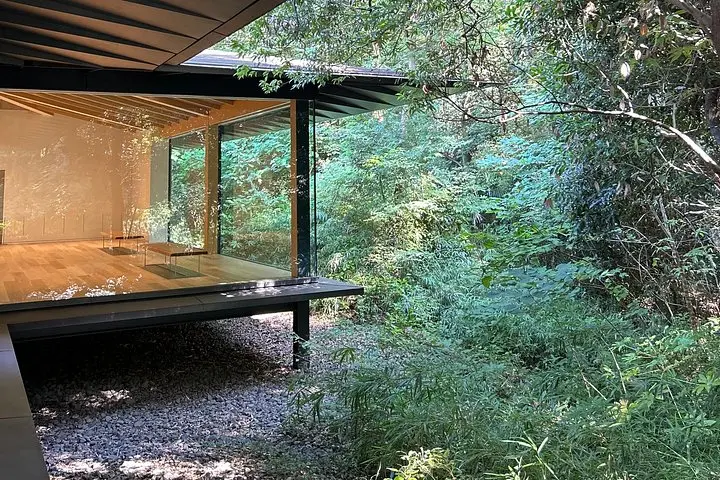
Meiji Jingu commemorates Emperor Meiji and Empress Shoken; the shrine grounds were replanted in the early 20th century with trees donated from across Japan, creating an urban forest deliberately cultivated as a place of reflection. The shrine blends Shinto ritual—purification fountains, bowing at the honden—with designed garden spaces: the Gyoen lawn, small stone lanterns tucked by streams, and several “power spots” locals favor for quiet focus.
This private, three-hour wellness tour pairs interpretation with shinrin-yoku (forest bathing) techniques and a relaxed tea stop at Café Mori no Terrace. Expect about 2–3 km of mostly flat walking on paved and compacted-earth paths, short inclines, and a mix of shaded trails and open lawn. Wear comfortable shoes, bring a small bottle of water and a light layer for changing shade. Respect shrine etiquette—bow, wash at the temizuya, and avoid loud behavior. Mornings are quieter; weekends and holidays draw larger crowds. Admission to the shrine is included on this tour, but bring small change for offerings or café purchases. The guide is licensed, tours are wheelchair-accessible with advance notice, and the pace is restorative rather than brisk—ideal if you want a measured, sensory visit to one of Tokyo’s greenest spaces.
Yes; the tour notes wheelchair accessibility, but wheelchairs must be operated by the user or a carer—notify the operator in advance.
Admission to Meiji Jingu and the garden entry listed on the itinerary are included as part of the tour price.
The shrine is a short walk from Harajuku (JR) and Meiji-Jingumae (subway) stations; your guide will meet at a prearranged point near the torii.
Tea time at Café Mori no Terrace is included in the itinerary, but additional snacks or purchases are at your own cost.
itswellness org operates guided outdoor trips and adventures with an emphasis on safety, stewardship, and memorable experiences.
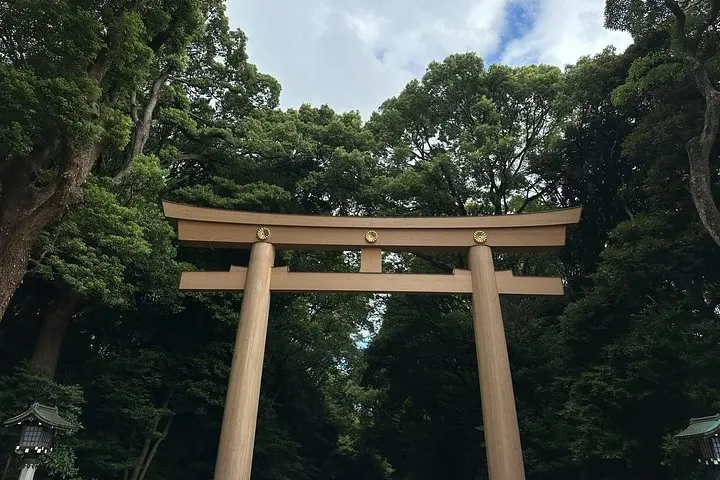
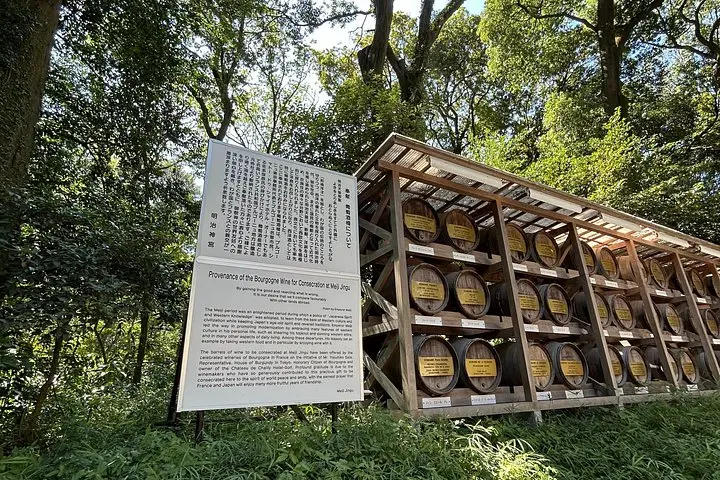
You step beneath a wide wooden torii and the city's din narrows to a distant hum—towering zelkovas and cedars draft a cool, shaded corridor that leads to the heart of Meiji Jingu. Your licensed guide walks slowly, pausing at lanterns and sake barrels as sunlight lattices through the canopy; the air tastes faintly of moss and pressed leaves.
You step beneath a wide wooden torii and the city's din narrows to a distant hum—towering zelkovas and cedars draft a cool, shaded corridor that leads to the heart of Meiji Jingu. Your licensed guide walks slowly, pausing at lanterns and sake barrels as sunlight lattices through the canopy; the air tastes faintly of moss and pressed leaves.
Meiji Jingu commemorates Emperor Meiji and Empress Shoken; the shrine grounds were replanted in the early 20th century with trees donated from across Japan, creating an urban forest deliberately cultivated as a place of reflection. The shrine blends Shinto ritual—purification fountains, bowing at the honden—with designed garden spaces: the Gyoen lawn, small stone lanterns tucked by streams, and several “power spots” locals favor for quiet focus.
This private, three-hour wellness tour pairs interpretation with shinrin-yoku (forest bathing) techniques and a relaxed tea stop at Café Mori no Terrace. Expect about 2–3 km of mostly flat walking on paved and compacted-earth paths, short inclines, and a mix of shaded trails and open lawn. Wear comfortable shoes, bring a small bottle of water and a light layer for changing shade. Respect shrine etiquette—bow, wash at the temizuya, and avoid loud behavior. Mornings are quieter; weekends and holidays draw larger crowds. Admission to the shrine is included on this tour, but bring small change for offerings or café purchases. The guide is licensed, tours are wheelchair-accessible with advance notice, and the pace is restorative rather than brisk—ideal if you want a measured, sensory visit to one of Tokyo’s greenest spaces.