THE ADVENTURE COLLECTIVE® · Independent discovery and booking for outdoor travel

See Tokyo’s imperial architecture, sensory Asakusa markets, and panoramic views from Tokyo Tower in a single efficient morning. Ideal for first-time visitors who want a compact, guided introduction to the city’s history and highlights.
See Tokyo’s imperial architecture, sensory Asakusa markets, and panoramic views from Tokyo Tower in a single efficient morning. Ideal for first-time visitors who want a compact, guided introduction to the city’s history and highlights.
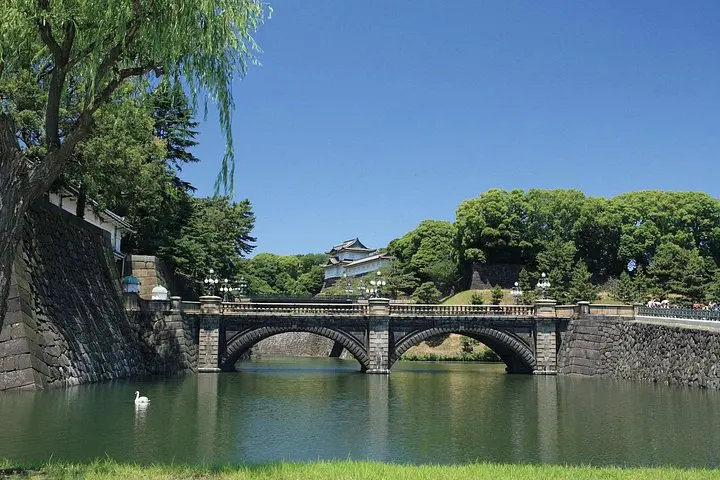
The city wakes in bands of steel and glass as a classic yellow Hato Bus slides out of Marunouchi under a pale morning sky. Riders settle into window seats while the guide threads together Tokyo’s layered story: the carved stone of the Imperial moats, the modernist symmetry of the National Diet Building, and the red silhouette of Tokyo Tower rising like a deliberate punctuation mark.
Verified experiences and guided adventures in the surrounding area.
Operated by TrevoTour Travels · Tokyo, Tokyo
The city wakes in bands of steel and glass as a classic yellow Hato Bus slides out of Marunouchi under a pale morning sky. Riders settle into window seats while the guide threads together Tokyo’s layered story: the carved stone of the Imperial moats, the modernist symmetry of the National Diet Building, and the red silhouette of Tokyo Tower rising like a deliberate punctuation mark.
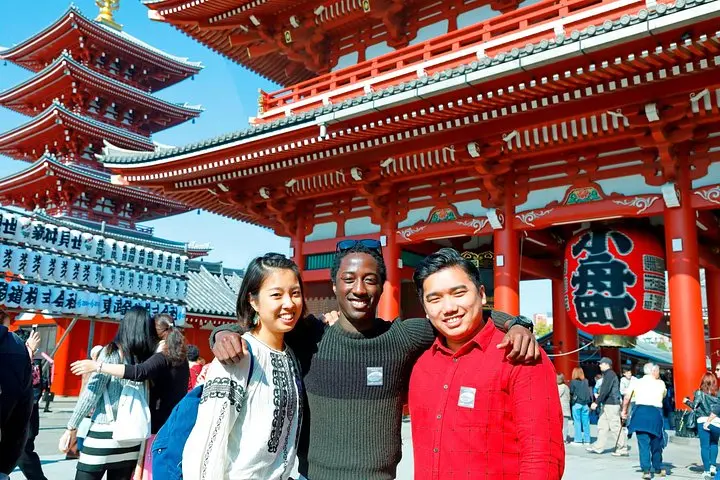
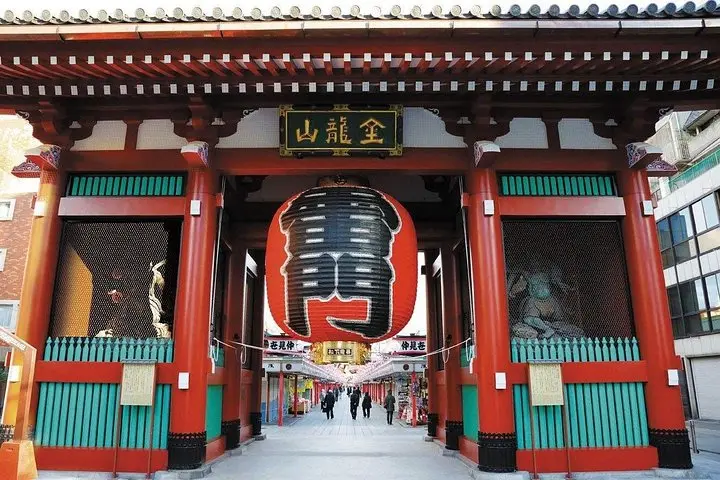
This half-day route compresses centuries. The Imperial Palace grounds sit on the vestiges of Edo Castle, a political center since the 17th century; Senso-ji in Asakusa dates back even further, a place where incense smoke and paper lanterns keep older rituals visible amid souvenir stalls. Tokyo Tower, built in 1958, offers a modern vantage: on clear mornings the sweep of the Kanto Plain and distant Mount Fuji become legible features on the city’s map.
Culturally the tour is a cross-section—political architecture, shrine etiquette, and the everyday commerce of Nakamise Shopping Street. Geologically, Tokyo spreads across reclaimed rivers and low terraces of the Kanto Plain; expect flat walking and broad paved plazas rather than steep trails.
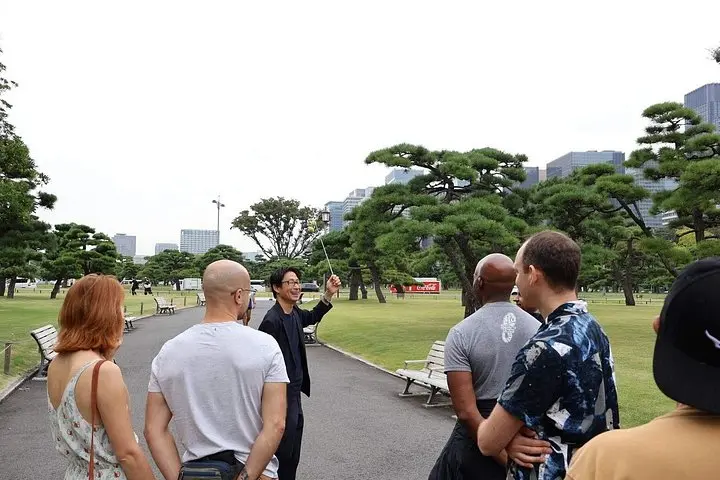
Practically, the outing runs about 4–5 hours with several short walks and photo stops. Bring comfortable shoes and a small daypack, and plan for crowds at Senso-ji, especially during cherry blossom and holiday seasons. The guide provides English commentary; the bus saves time between dispersed sights so you can sample both quiet gardens and energetic market lanes before the city fully wakes.
The tour begins at Tokyo Station Marunouchi South Entrance and the bus returns to a central drop-off near the same area; confirm the exact meeting point on your voucher.
The operator notes wheelchair accessibility; contact the provider in advance for assistance and to confirm space and boarding arrangements.
Admissions and transport are included, but snacks and meals at Nakamise or other stops are not included—bring cash if you plan to buy street food.
The tour features an English-speaking guide; commentary focuses on historical and cultural context for the main stops.
TrevoTour Travels operates guided outdoor trips and adventures with an emphasis on safety, stewardship, and memorable experiences.
The city wakes in bands of steel and glass as a classic yellow Hato Bus slides out of Marunouchi under a pale morning sky. Riders settle into window seats while the guide threads together Tokyo’s layered story: the carved stone of the Imperial moats, the modernist symmetry of the National Diet Building, and the red silhouette of Tokyo Tower rising like a deliberate punctuation mark.
The city wakes in bands of steel and glass as a classic yellow Hato Bus slides out of Marunouchi under a pale morning sky. Riders settle into window seats while the guide threads together Tokyo’s layered story: the carved stone of the Imperial moats, the modernist symmetry of the National Diet Building, and the red silhouette of Tokyo Tower rising like a deliberate punctuation mark.
This half-day route compresses centuries. The Imperial Palace grounds sit on the vestiges of Edo Castle, a political center since the 17th century; Senso-ji in Asakusa dates back even further, a place where incense smoke and paper lanterns keep older rituals visible amid souvenir stalls. Tokyo Tower, built in 1958, offers a modern vantage: on clear mornings the sweep of the Kanto Plain and distant Mount Fuji become legible features on the city’s map.
Culturally the tour is a cross-section—political architecture, shrine etiquette, and the everyday commerce of Nakamise Shopping Street. Geologically, Tokyo spreads across reclaimed rivers and low terraces of the Kanto Plain; expect flat walking and broad paved plazas rather than steep trails.
Practically, the outing runs about 4–5 hours with several short walks and photo stops. Bring comfortable shoes and a small daypack, and plan for crowds at Senso-ji, especially during cherry blossom and holiday seasons. The guide provides English commentary; the bus saves time between dispersed sights so you can sample both quiet gardens and energetic market lanes before the city fully wakes.