THE ADVENTURE COLLECTIVE® · Independent discovery and booking for outdoor travel
Combine an efficient, private walking tour of Tokyo’s highlights with a hands-on kintsugi workshop at Mutoh. Choose 2–3 stops for a tailored four-hour city walk, then spend two hours repairing pottery and learning a centuries-old craft.
Combine an efficient, private walking tour of Tokyo’s highlights with a hands-on kintsugi workshop at Mutoh. Choose 2–3 stops for a tailored four-hour city walk, then spend two hours repairing pottery and learning a centuries-old craft.
Step out from a hotel doorway into Tokyo’s layered cityscape — glass towers reflecting morning light, a steady river of commuters on the Yamanote Line, and the hush of a shrine path tucked behind busy streets. Over six hours a licensed English guide leads a four-hour walking loop through neighborhoods you choose, then drops you at Mutoh for a two-hour kintsugi workshop where broken pottery is mended with lacquer and gold.
Verified experiences and guided adventures in the surrounding area.
Operated by Japan Guide Agency · Tokyo, Tokyo
Step out from a hotel doorway into Tokyo’s layered cityscape — glass towers reflecting morning light, a steady river of commuters on the Yamanote Line, and the hush of a shrine path tucked behind busy streets. Over six hours a licensed English guide leads a four-hour walking loop through neighborhoods you choose, then drops you at Mutoh for a two-hour kintsugi workshop where broken pottery is mended with lacquer and gold.
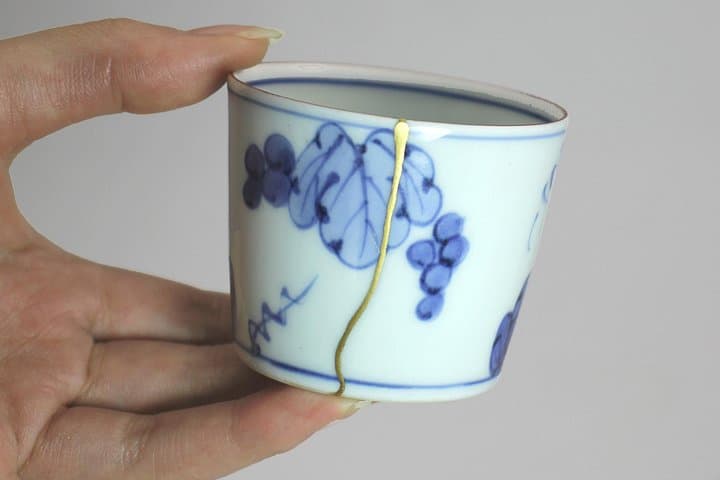
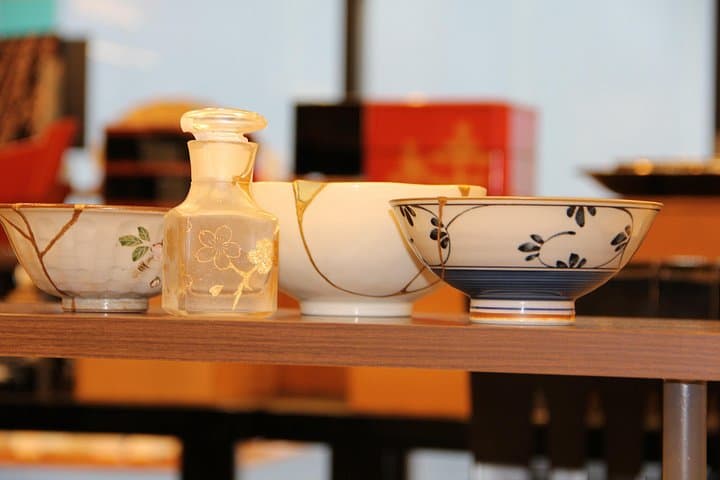
The walk threads through places that tell Tokyo’s story: the stone walls and moats of the Imperial Palace, a remnant of Edo Castle; the cedar-shaded approach to Meiji Shrine; neon-lined alleys of Akihabara and the old-world lanes of Yanaka. Geologically, Tokyo sits on low plains and reclaimed bayfill — Hama Rikyu’s tidal ponds recall the city’s relationship with Tokyo Bay. Kintsugi, born from a 15th–16th century aesthetic of repair and wabi-sabi, turns fracture into feature and anchors the day in material culture.
Expect steady urban walking on paved streets and compact garden paths, short public-transport hops, and hands-on craft time at a small studio. Bring ¥550 in cash for tools and materials, a transport card (Suica/Pasmo) for optional transfers, and comfortable footwear — you’ll cover several kilometers before the studio table. The itinerary is customizable: choose 2–3 sights from the guide’s list to fit pace and interest.
Practical: book morning starts to avoid peak crowds, confirm any accessibility needs with the operator, and allow time for detail work in the kintsugi session — it’s slow, deliberate, and satisfying.
No — this private walking tour covers guiding only; admissions to museums or gardens are typically not included unless specified.
The workshop at Mutoh is about two hours and includes basic instruction; tools/materials cost approximately ¥550.
Yes — you choose 2–3 stops from the provided list and can work with your guide to tailor pace and content.
The operator lists stroller and wheelchair-accessible options; inform them at booking so logistics can be arranged.
Japan Guide Agency operates guided outdoor trips and adventures with an emphasis on safety, stewardship, and memorable experiences.
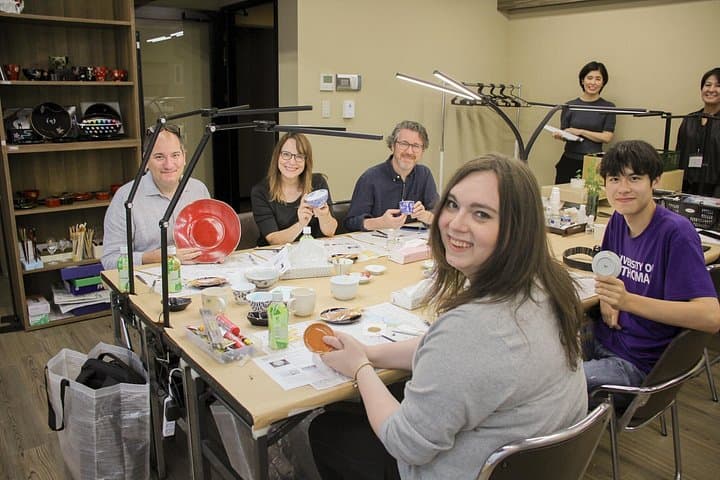
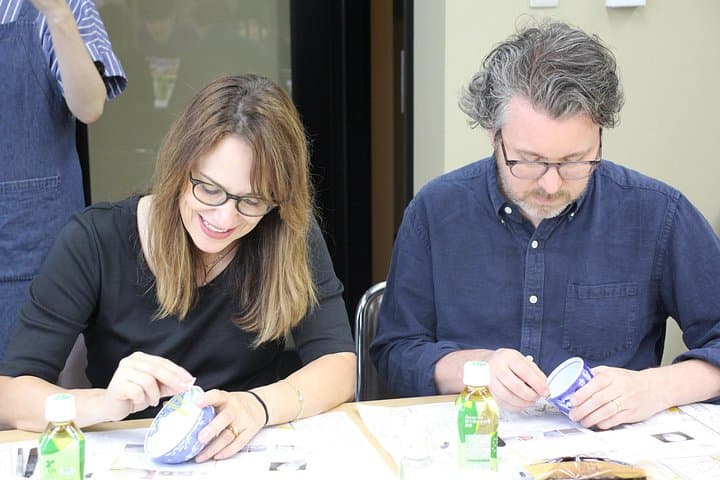
Step out from a hotel doorway into Tokyo’s layered cityscape — glass towers reflecting morning light, a steady river of commuters on the Yamanote Line, and the hush of a shrine path tucked behind busy streets. Over six hours a licensed English guide leads a four-hour walking loop through neighborhoods you choose, then drops you at Mutoh for a two-hour kintsugi workshop where broken pottery is mended with lacquer and gold.
Step out from a hotel doorway into Tokyo’s layered cityscape — glass towers reflecting morning light, a steady river of commuters on the Yamanote Line, and the hush of a shrine path tucked behind busy streets. Over six hours a licensed English guide leads a four-hour walking loop through neighborhoods you choose, then drops you at Mutoh for a two-hour kintsugi workshop where broken pottery is mended with lacquer and gold.
The walk threads through places that tell Tokyo’s story: the stone walls and moats of the Imperial Palace, a remnant of Edo Castle; the cedar-shaded approach to Meiji Shrine; neon-lined alleys of Akihabara and the old-world lanes of Yanaka. Geologically, Tokyo sits on low plains and reclaimed bayfill — Hama Rikyu’s tidal ponds recall the city’s relationship with Tokyo Bay. Kintsugi, born from a 15th–16th century aesthetic of repair and wabi-sabi, turns fracture into feature and anchors the day in material culture.
Expect steady urban walking on paved streets and compact garden paths, short public-transport hops, and hands-on craft time at a small studio. Bring ¥550 in cash for tools and materials, a transport card (Suica/Pasmo) for optional transfers, and comfortable footwear — you’ll cover several kilometers before the studio table. The itinerary is customizable: choose 2–3 sights from the guide’s list to fit pace and interest.
Practical: book morning starts to avoid peak crowds, confirm any accessibility needs with the operator, and allow time for detail work in the kintsugi session — it’s slow, deliberate, and satisfying.
