THE ADVENTURE COLLECTIVE® · Independent discovery and booking for outdoor travel

Make a full-day loop from Tokyo to Kobe by bullet train: explore Nada Gogo’s sake breweries, ride the ropeway to Nunobiki Herb Garden on Mount Rokko, and taste authentic Kobe beef. This guide explains what to expect and how to prepare for the long, rewarding day.
Make a full-day loop from Tokyo to Kobe by bullet train: explore Nada Gogo’s sake breweries, ride the ropeway to Nunobiki Herb Garden on Mount Rokko, and taste authentic Kobe beef. This guide explains what to expect and how to prepare for the long, rewarding day.
You step onto the bullet train before sunrise and Tokyo slides away — a corridor of rice fields and low hills opening toward Kansai. Three hours later you arrive in Kobe, where harbor air and mountain slopes meet the city; the day is a compact loop of craft sake, high-terrace gardens, and one of Japan’s most famous steaks.
Verified experiences and guided adventures in the surrounding area.
Operated by MY Travel Consulting · Kobe, Hyogo Prefecture
You step onto the bullet train before sunrise and Tokyo slides away — a corridor of rice fields and low hills opening toward Kansai. Three hours later you arrive in Kobe, where harbor air and mountain slopes meet the city; the day is a compact loop of craft sake, high-terrace gardens, and one of Japan’s most famous steaks.
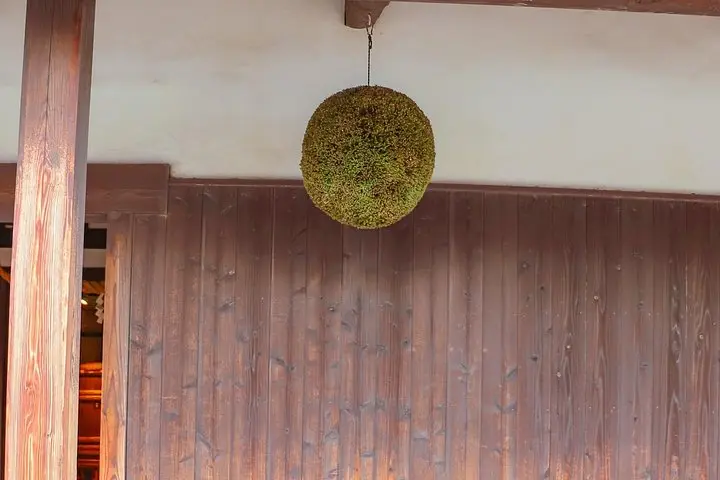
Kobe’s sake story centers on Nada Gogo, the five districts whose clay, hard water and seasonal breezes gave birth to some of Japan’s oldest breweries. Nearby, the Nunobiki Herb Garden sits on the lower flanks of Mount Rokko: a green rise of terraces, scented paths, and a ropeway that climbs above the city for sweeping views. The geology here — rivers carving into coastal plain, igneous bedrock up-slope — shaped both breweries and gardens by supplying cool groundwater and varied microclimates.
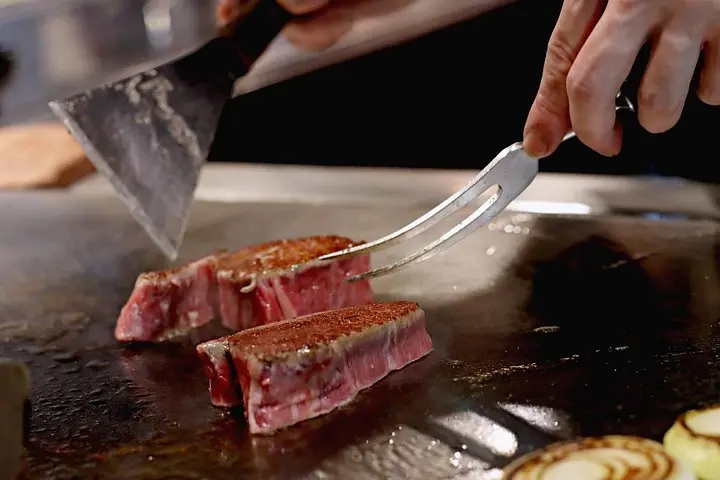
Culture today blends port cosmopolitanism (Meiji-era foreign settlements in Kitano) with neighborhood brewers preserving wooden vats and hand-molded labels. Lunch is deliberate: thin, careful slices of Kobe beef cooked over high heat and balanced with local rice and pickles.
Practical guidance: plan an early departure and reserve Shinkansen seats; the itinerary is a long day (roughly 10–12 hours) with moderate walking and a short ropeway ascent. Carry some cash for small brewery shops, bring comfortable walking shoes for stepped streets and garden paths, and confirm dietary needs before booking. Timing your return to Tokyo after evening trains keeps the day smooth — and gives you time to let a sake tasting settle before you ride home.
Direct Shinkansen services typically take about 2.5–3 hours one-way to the Kobe area (Shin-Kobe/Shin-Osaka), depending on the service used.
This tour lists admission and some brewery visits; small tastings are commonly included but policies vary by brewery—confirm with the guide on the day.
Yes — operators can usually arrange vegetarian or allergy-friendly lunches if notified at booking; use the special requirements field.
The tour includes hotel pickup and returns you to the city — travel light or check larger luggage at Tokyo stations; confirm pickup point when booking.
MY Travel Consulting operates guided outdoor trips and adventures with an emphasis on safety, stewardship, and memorable experiences.
You step onto the bullet train before sunrise and Tokyo slides away — a corridor of rice fields and low hills opening toward Kansai. Three hours later you arrive in Kobe, where harbor air and mountain slopes meet the city; the day is a compact loop of craft sake, high-terrace gardens, and one of Japan’s most famous steaks.
You step onto the bullet train before sunrise and Tokyo slides away — a corridor of rice fields and low hills opening toward Kansai. Three hours later you arrive in Kobe, where harbor air and mountain slopes meet the city; the day is a compact loop of craft sake, high-terrace gardens, and one of Japan’s most famous steaks.
Kobe’s sake story centers on Nada Gogo, the five districts whose clay, hard water and seasonal breezes gave birth to some of Japan’s oldest breweries. Nearby, the Nunobiki Herb Garden sits on the lower flanks of Mount Rokko: a green rise of terraces, scented paths, and a ropeway that climbs above the city for sweeping views. The geology here — rivers carving into coastal plain, igneous bedrock up-slope — shaped both breweries and gardens by supplying cool groundwater and varied microclimates.
Culture today blends port cosmopolitanism (Meiji-era foreign settlements in Kitano) with neighborhood brewers preserving wooden vats and hand-molded labels. Lunch is deliberate: thin, careful slices of Kobe beef cooked over high heat and balanced with local rice and pickles.
Practical guidance: plan an early departure and reserve Shinkansen seats; the itinerary is a long day (roughly 10–12 hours) with moderate walking and a short ropeway ascent. Carry some cash for small brewery shops, bring comfortable walking shoes for stepped streets and garden paths, and confirm dietary needs before booking. Timing your return to Tokyo after evening trains keeps the day smooth — and gives you time to let a sake tasting settle before you ride home.