THE ADVENTURE COLLECTIVE® · Independent discovery and booking for outdoor travel

Race the sunrise on the Shinkansen and spend a day moving from bamboo groves to golden pavilions with a private guide. This full-day tour packs Kyoto’s top cultural sights, local food stops and shrine rituals into a single, well-paced loop.
Race the sunrise on the Shinkansen and spend a day moving from bamboo groves to golden pavilions with a private guide. This full-day tour packs Kyoto’s top cultural sights, local food stops and shrine rituals into a single, well-paced loop.
You step onto the Shinkansen platform as the city rushes behind you and, in under three hours, the hum of Tokyo gives way to the softer cadence of Kyoto—temple roofs, river light and an ordered quiet.
Verified experiences and guided adventures in the surrounding area.
Operated by Ahmed Abu Tayeh · Kyoto, Kyoto
You step onto the Shinkansen platform as the city rushes behind you and, in under three hours, the hum of Tokyo gives way to the softer cadence of Kyoto—temple roofs, river light and an ordered quiet.
This private, full-day tour threads Kyoto’s essentials into one compact loop: the bamboo groves and Tenryū-ji garden in Arashiyama, the gilded reflection of Kinkaku-ji, the sizzling alleys of Nishiki Market and the torii tunnels of Fushimi Inari. Each stop carries layers of history—Kyoto served as Japan’s imperial capital for over a millennium, and its temples preserve Heian and Muromachi era design and garden-making techniques. Geologically, Kyoto sits on river terraces fed by mountain runoff, which shaped its ponds, moss gardens and the red-lacquered torii that march up Inari’s volcanic slopes.
Culturally, expect ritual quiet at shrines, the cadence of shop calls in market alleys, and the possibility of spotting a geiko in Gion’s dusk. Local guides help decode etiquette—how to cleanse at a shrine, what earns a polite bow—and they can steer you to lunch choices from kaiseki to quick yakitori.
Practical notes: the tour requires coordination of bullet train tickets and local van transport; entrance fees and Shinkansen fares are not included. Wear comfortable shoes for paved temple paths and uneven forest trails, carry cash for market bites, and plan for about nine hours including rail time. Start early to avoid crowds and bring a compact umbrella—Kyoto’s weather shifts quickly.
No, Shinkansen tickets and transport costs are not included—your guide can assist with purchases at the station but you'll pay separately.
Yes; the standard route covers the main sights but the guide can rearrange stops or swap options based on interests and timing.
The tour notes wheelchair accessibility and can accommodate many needs, but some temple grounds have steps; notify the operator in advance to plan routes and transport.
The tour is about nine hours total and can start in Kyoto or Tokyo (meeting in Tokyo may incur extra fees); it typically ends at Kyoto Station for the return Shinkansen.
Ahmed Abu Tayeh operates guided outdoor trips and adventures with an emphasis on safety, stewardship, and memorable experiences.


You step onto the Shinkansen platform as the city rushes behind you and, in under three hours, the hum of Tokyo gives way to the softer cadence of Kyoto—temple roofs, river light and an ordered quiet.
You step onto the Shinkansen platform as the city rushes behind you and, in under three hours, the hum of Tokyo gives way to the softer cadence of Kyoto—temple roofs, river light and an ordered quiet.
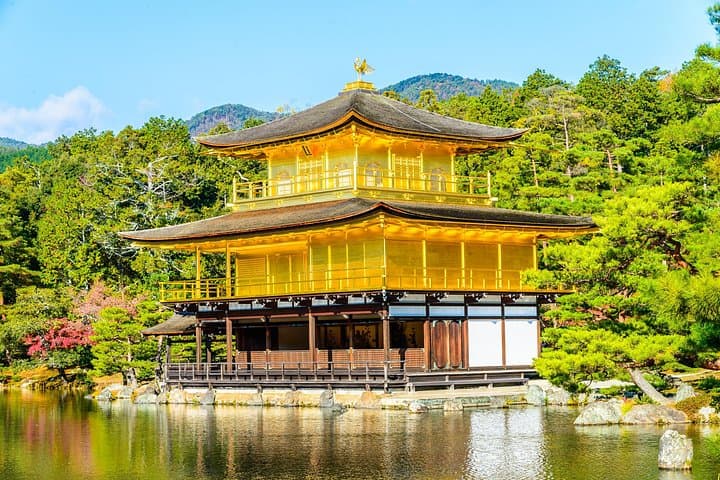
This private, full-day tour threads Kyoto’s essentials into one compact loop: the bamboo groves and Tenryū-ji garden in Arashiyama, the gilded reflection of Kinkaku-ji, the sizzling alleys of Nishiki Market and the torii tunnels of Fushimi Inari. Each stop carries layers of history—Kyoto served as Japan’s imperial capital for over a millennium, and its temples preserve Heian and Muromachi era design and garden-making techniques. Geologically, Kyoto sits on river terraces fed by mountain runoff, which shaped its ponds, moss gardens and the red-lacquered torii that march up Inari’s volcanic slopes.
Culturally, expect ritual quiet at shrines, the cadence of shop calls in market alleys, and the possibility of spotting a geiko in Gion’s dusk. Local guides help decode etiquette—how to cleanse at a shrine, what earns a polite bow—and they can steer you to lunch choices from kaiseki to quick yakitori.
Practical notes: the tour requires coordination of bullet train tickets and local van transport; entrance fees and Shinkansen fares are not included. Wear comfortable shoes for paved temple paths and uneven forest trails, carry cash for market bites, and plan for about nine hours including rail time. Start early to avoid crowds and bring a compact umbrella—Kyoto’s weather shifts quickly.