THE ADVENTURE COLLECTIVE® · Independent discovery and booking for outdoor travel

A full-day private walking tour that stitches Tsukiji’s food stalls, HamaRikyu’s tidal gardens, a scenic water-bus ride, Asakusa’s temple streets, and Tokyo Skytree into one coherent day. Ideal for first-time visitors who want context, food stops, and river views.
A full-day private walking tour that stitches Tsukiji’s food stalls, HamaRikyu’s tidal gardens, a scenic water-bus ride, Asakusa’s temple streets, and Tokyo Skytree into one coherent day. Ideal for first-time visitors who want context, food stops, and river views.
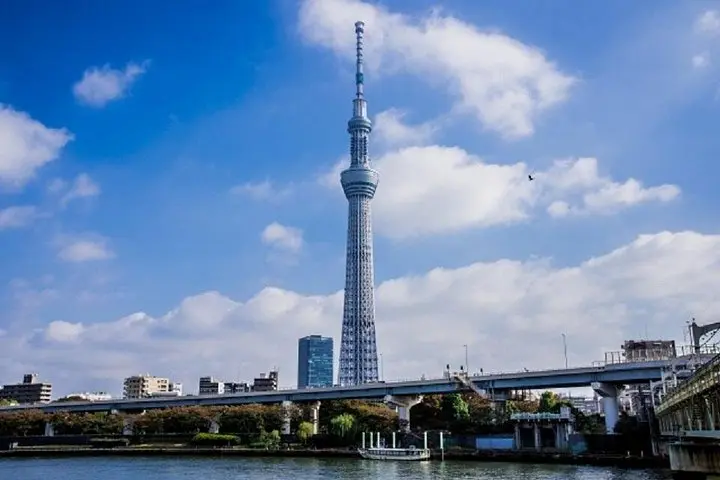
You step off the water bus and the city changes tempo: the Sumida River nudges the boat away from HamaRikyu’s seawater moat while the Skytree scratches the skyline behind a line of low-rise temples and market stalls.
Verified experiences and guided adventures in the surrounding area.
Operated by Fulfilling Inc. · Tokyo, Tokyo
You step off the water bus and the city changes tempo: the Sumida River nudges the boat away from HamaRikyu’s seawater moat while the Skytree scratches the skyline behind a line of low-rise temples and market stalls.
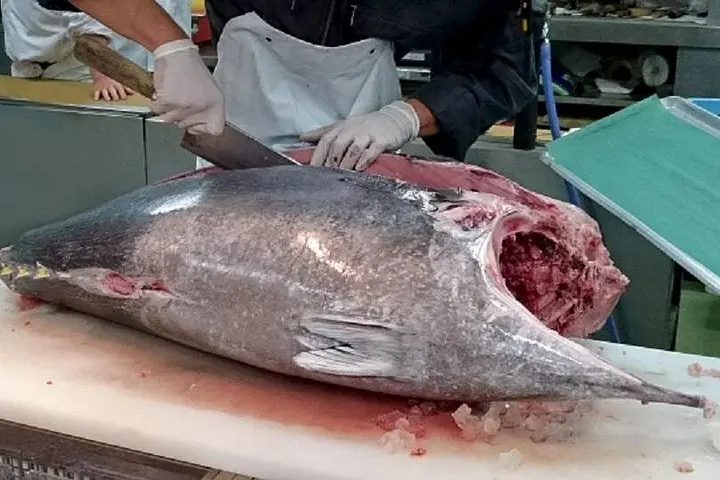
This full-day private walk threads Tokyo’s modern and Edo-era layers — from Tsukiji’s clamorous outer market stalls to the measured geometry of HamaRikyu’s landscaped ponds, then along the river to Asakusa’s lantern-lit approach to Senso-ji, finishing with panoramic views from Tokyo Skytree.
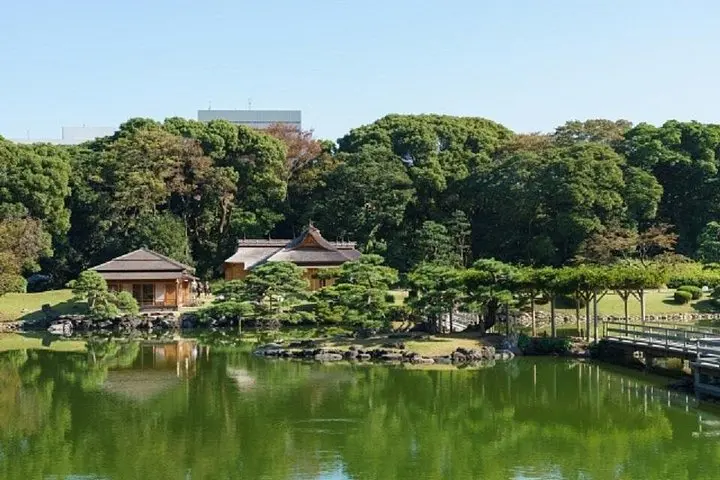
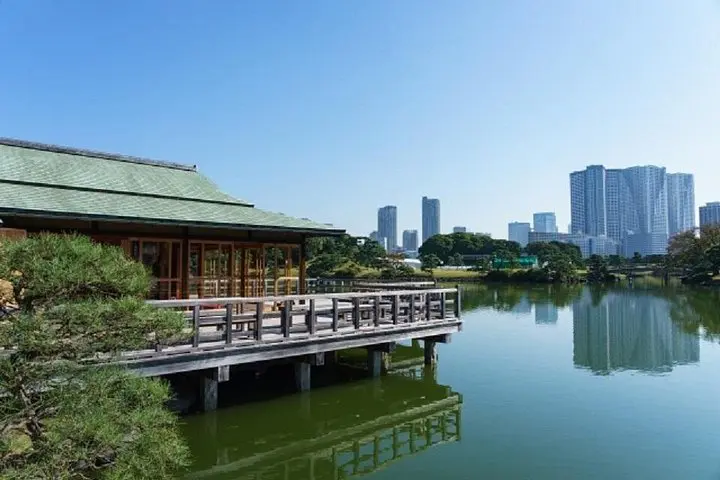
HamaRikyu was once the Tokugawa shōgun’s garden; its seawater moat and constructed ponds are reminders of land-reclamation and tidal engineering that shaped Tokyo Bay. Asakusa keeps pockets of early-20th-century commerce: Nakamise-dori is a roughly 250 m arcade of traditional сувениры and snacks that survived modern redevelopment. The route also shows Tokyo’s contrasting geology — reclaimed flatlands on the bay side and older alluvial terraces upriver — and the cultural habit of moving between public transport modes with ease.
Practical guidance: expect 6–8 hours on foot with frequent short stops; public transport and the water bus link sites so you rarely walk more than a few kilometers between highlights. Bring cash for small stall purchases, wear supportive walking shoes for mixed pavement and boardwalk surfaces, and plan the Skytree visit for late afternoon to catch daylight and dusk views.
This tour suits travelers who want a paced, contextual introduction to Tokyo’s seaside history, street food culture, and layered cityscape.
The itinerary includes the water-bus segment as part of the route, but individual ticketing or reservation for the water bus may be confirmed by the operator—check booking details.
Yes. Guides will recommend or avoid stalls based on dietary needs, but bring snacks as needed since some market items contain seafood or soy products.
Much of the route uses public transport and paved paths; HamaRikyu and Skytree are largely accessible, but some market alleys and piers can be narrow or crowded—advise the operator at booking for accommodations.
Observation-deck tickets are typically not included in base tour pricing; clarify inclusion at booking and allow time for ticket purchases or reservations.
Fulfilling Inc. operates guided outdoor trips and adventures with an emphasis on safety, stewardship, and memorable experiences.
You step off the water bus and the city changes tempo: the Sumida River nudges the boat away from HamaRikyu’s seawater moat while the Skytree scratches the skyline behind a line of low-rise temples and market stalls.
You step off the water bus and the city changes tempo: the Sumida River nudges the boat away from HamaRikyu’s seawater moat while the Skytree scratches the skyline behind a line of low-rise temples and market stalls.
This full-day private walk threads Tokyo’s modern and Edo-era layers — from Tsukiji’s clamorous outer market stalls to the measured geometry of HamaRikyu’s landscaped ponds, then along the river to Asakusa’s lantern-lit approach to Senso-ji, finishing with panoramic views from Tokyo Skytree.
HamaRikyu was once the Tokugawa shōgun’s garden; its seawater moat and constructed ponds are reminders of land-reclamation and tidal engineering that shaped Tokyo Bay. Asakusa keeps pockets of early-20th-century commerce: Nakamise-dori is a roughly 250 m arcade of traditional сувениры and snacks that survived modern redevelopment. The route also shows Tokyo’s contrasting geology — reclaimed flatlands on the bay side and older alluvial terraces upriver — and the cultural habit of moving between public transport modes with ease.
Practical guidance: expect 6–8 hours on foot with frequent short stops; public transport and the water bus link sites so you rarely walk more than a few kilometers between highlights. Bring cash for small stall purchases, wear supportive walking shoes for mixed pavement and boardwalk surfaces, and plan the Skytree visit for late afternoon to catch daylight and dusk views.
This tour suits travelers who want a paced, contextual introduction to Tokyo’s seaside history, street food culture, and layered cityscape.