THE ADVENTURE COLLECTIVE® · Independent discovery and booking for outdoor travel

Move beyond sushi and ramen on a 2.5-hour guided crawl through Ginza, Yurakucho and Shimbashi. Taste Tokyo’s most adventurous dishes—fugu, basashi, yakitori—while an English-speaking guide explains the history, etiquette, and logistics behind each bite.
Move beyond sushi and ramen on a 2.5-hour guided crawl through Ginza, Yurakucho and Shimbashi. Taste Tokyo’s most adventurous dishes—fugu, basashi, yakitori—while an English-speaking guide explains the history, etiquette, and logistics behind each bite.
The guide threads the group through alleys where neon hums against old brick and the air tastes faintly of soy and smoke. In two and a half hours visitors move like local commuters—quick, observant, and ready to bite—sampling sushi, yakitori, ramen and the city's more daring plates: fugu (blowfish), basashi (horse meat) and even whale where available.
Verified experiences and guided adventures in the surrounding area.
Operated by Japan Awaits · Tokyo, Tokyo
The guide threads the group through alleys where neon hums against old brick and the air tastes faintly of soy and smoke. In two and a half hours visitors move like local commuters—quick, observant, and ready to bite—sampling sushi, yakitori, ramen and the city's more daring plates: fugu (blowfish), basashi (horse meat) and even whale where available.
Ginza's polished storefronts give way a few blocks over to Shimbashi and Yurakucho, neighborhoods shaped by rail lines and post-war commerce. The route reveals Tokyo’s layering: Edo-era market logic beneath modern glass, restaurants that evolved from salaryman izakaya to refined counters serving razor-sharp knife work. Geology is secondary here; the story is cultural—rice cultivation and coastal fishing shaping flavors and preservation techniques like curing and pickling.
Expect short walks between small venues, crowded interiors, and an English-speaking private guide who explains taste profiles, preparation, and etiquette. The experience balances thrill and restraint: adventurous dishes are presented safely and usually in tiny portions so you can try more.
Plan practically—carry small bills, wear comfortable shoes for standing, and time the tour early evening to catch bustling service. Note health precautions: fugu requires licensed preparation and some items aren’t recommended for pregnant guests or those with heart conditions. Smoking may occur in some establishments; bring a mask if sensitive. Bring curiosity, an appetite for texture and contrast, and a willingness to follow local custom—no tipping, quiet phone use, and sharing plates make this a distinctly Tokyo way to eat.
The tasting menu typically includes sushi, ramen or yakitori plus adventurous items like fugu (prepared by licensed chefs), horse meat (basashi), and regional specialties; exact stops vary by night.
This tour is for guests 18 and older; pregnant travelers and people with heart conditions are advised to avoid certain dishes and consult the operator before booking.
Some establishments in Tokyo still permit indoor smoking; while guides try to avoid heavily smoky venues, bringing a mask is recommended if you’re sensitive.
This operator applies an all-sales-final policy for many bookings, with specific staged cancellation fees up to 100% within a week—confirm terms at booking.
Japan Awaits operates guided outdoor trips and adventures with an emphasis on safety, stewardship, and memorable experiences.
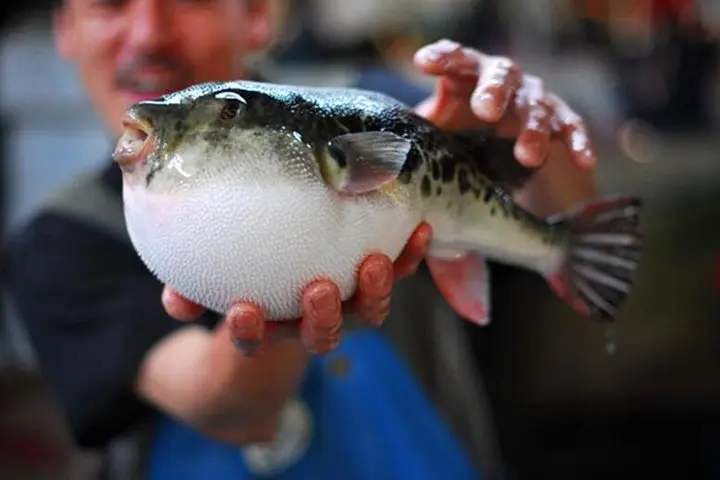
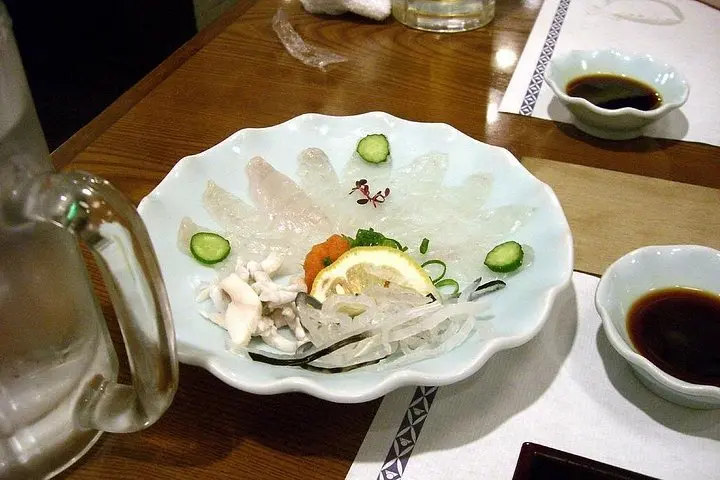
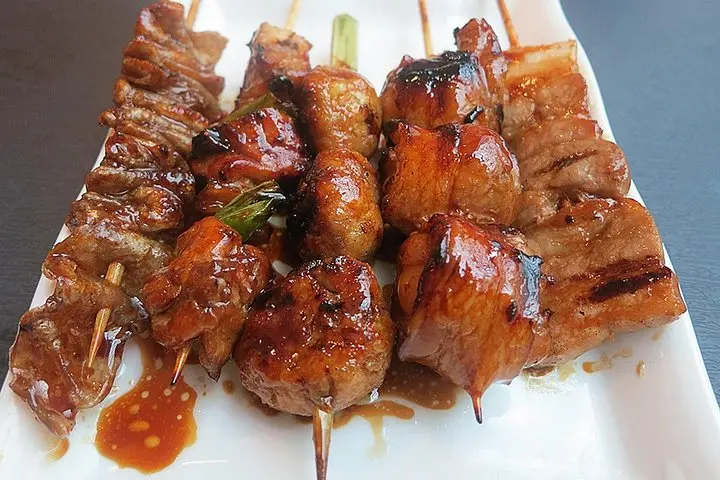
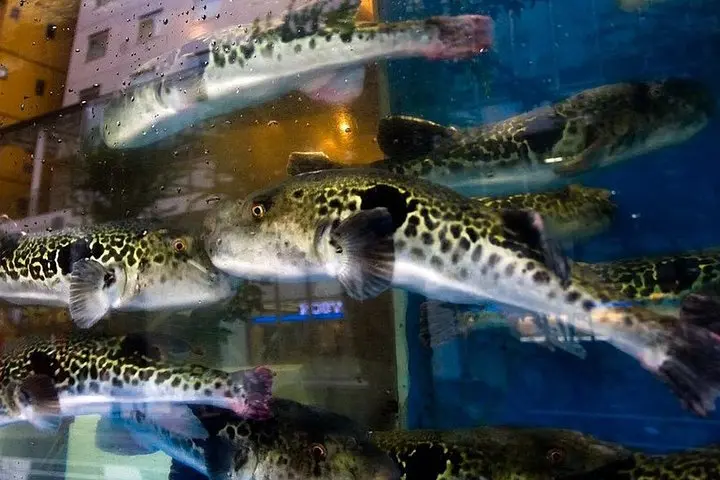
The guide threads the group through alleys where neon hums against old brick and the air tastes faintly of soy and smoke. In two and a half hours visitors move like local commuters—quick, observant, and ready to bite—sampling sushi, yakitori, ramen and the city's more daring plates: fugu (blowfish), basashi (horse meat) and even whale where available.
The guide threads the group through alleys where neon hums against old brick and the air tastes faintly of soy and smoke. In two and a half hours visitors move like local commuters—quick, observant, and ready to bite—sampling sushi, yakitori, ramen and the city's more daring plates: fugu (blowfish), basashi (horse meat) and even whale where available.
Ginza's polished storefronts give way a few blocks over to Shimbashi and Yurakucho, neighborhoods shaped by rail lines and post-war commerce. The route reveals Tokyo’s layering: Edo-era market logic beneath modern glass, restaurants that evolved from salaryman izakaya to refined counters serving razor-sharp knife work. Geology is secondary here; the story is cultural—rice cultivation and coastal fishing shaping flavors and preservation techniques like curing and pickling.
Expect short walks between small venues, crowded interiors, and an English-speaking private guide who explains taste profiles, preparation, and etiquette. The experience balances thrill and restraint: adventurous dishes are presented safely and usually in tiny portions so you can try more.
Plan practically—carry small bills, wear comfortable shoes for standing, and time the tour early evening to catch bustling service. Note health precautions: fugu requires licensed preparation and some items aren’t recommended for pregnant guests or those with heart conditions. Smoking may occur in some establishments; bring a mask if sensitive. Bring curiosity, an appetite for texture and contrast, and a willingness to follow local custom—no tipping, quiet phone use, and sharing plates make this a distinctly Tokyo way to eat.