THE ADVENTURE COLLECTIVE® · Independent discovery and booking for outdoor travel

A private two-hour walking tour that guides you through Edo Castle ruins, Ninomaru Garden and the Imperial Palace East Gardens. Expect paved paths, seasonal blooms and close-up history of Tokyo’s feudal and imperial landscape.
A private two-hour walking tour that guides you through Edo Castle ruins, Ninomaru Garden and the Imperial Palace East Gardens. Expect paved paths, seasonal blooms and close-up history of Tokyo’s feudal and imperial landscape.
You step under Ōte-mon Gate and the city noise thins to the clack of shoes on stone. The moat broadens, stone walls rise, and the East Gardens open as a cool, ordered interior—lawns, clipped hedges and pockets of old samurai-era masonry. For two hours the guide paces the history: the Tenshu foundation that hints at a vanished keep, the Ninomaru Garden’s seasonal blooms, and the quiet sweep of the Imperial grounds that have shaped Tokyo’s political center for centuries.
Verified experiences and guided adventures in the surrounding area.
Operated by gotcha · Tokyo, Tokyo
You step under Ōte-mon Gate and the city noise thins to the clack of shoes on stone. The moat broadens, stone walls rise, and the East Gardens open as a cool, ordered interior—lawns, clipped hedges and pockets of old samurai-era masonry. For two hours the guide paces the history: the Tenshu foundation that hints at a vanished keep, the Ninomaru Garden’s seasonal blooms, and the quiet sweep of the Imperial grounds that have shaped Tokyo’s political center for centuries.
This route threads Edo-period military engineering, Meiji-era urban remaking and modern Japan’s imperial continuity. The stonework of Edo Castle showcases Sakoku-era craftsmanship; the soil here sits above a reclaimed floodplain shaped by the old Kanda and Nihonbashi river systems. Cultural notes—why cherry and iris plantings mattered to court aesthetics, and how the Ōte-mon controlled access—bring the landscape to life.
Practical matters arrive naturally: paths are paved and mostly flat, with one or two steps around bridges; expect security bag checks at entry. Spring brings cherry trees in tight bloom, summer iris beds, and crisp autumn foliage that colors the massive stone walls. Wear comfortable walking shoes, carry water, and arrive early to avoid tour-group congestion and sun at midday.
This private, accessible walk is ideal for travelers who want concentrated history, garden design and photo-friendly vantage points without the rush—an urban outdoor experience that balances calm nature with Tokyo’s layered past.
No; the tour explores the East Gardens and castle grounds but does not enter the Imperial residence itself.
Yes—visitors entering the Imperial grounds are subject to baggage inspection, so avoid large or restricted items.
The route is easy and suitable for all ages, but infants must sit on an adult's lap according to booking notes.
Photography is allowed in the gardens and castle grounds, but follow any posted rules and respect restricted areas.
gotcha operates guided outdoor trips and adventures with an emphasis on safety, stewardship, and memorable experiences.
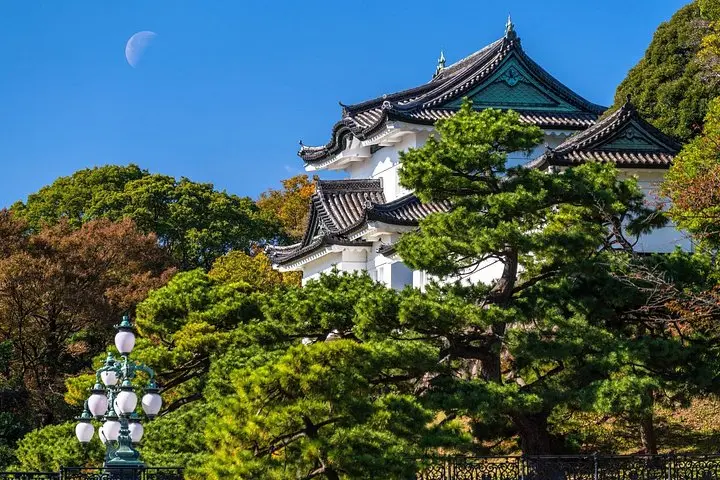
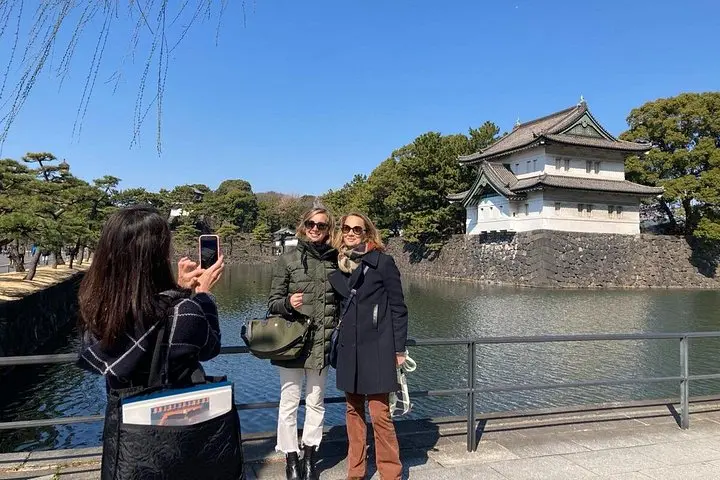
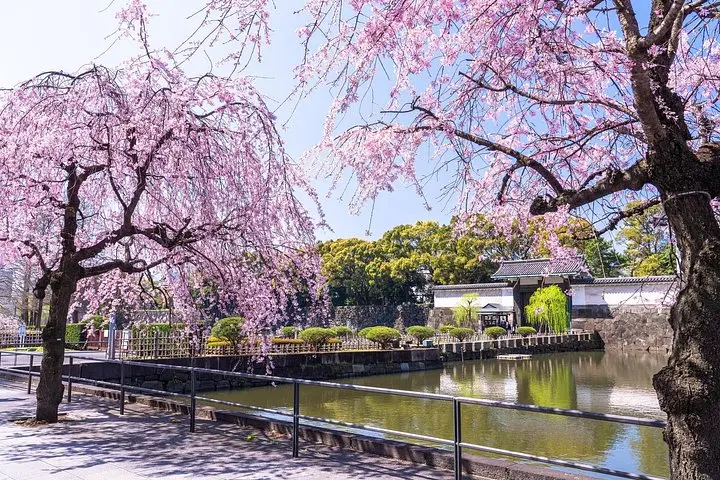
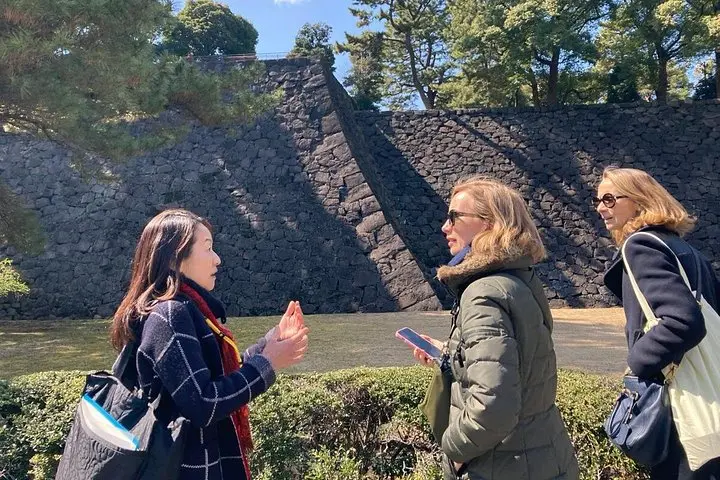
You step under Ōte-mon Gate and the city noise thins to the clack of shoes on stone. The moat broadens, stone walls rise, and the East Gardens open as a cool, ordered interior—lawns, clipped hedges and pockets of old samurai-era masonry. For two hours the guide paces the history: the Tenshu foundation that hints at a vanished keep, the Ninomaru Garden’s seasonal blooms, and the quiet sweep of the Imperial grounds that have shaped Tokyo’s political center for centuries.
You step under Ōte-mon Gate and the city noise thins to the clack of shoes on stone. The moat broadens, stone walls rise, and the East Gardens open as a cool, ordered interior—lawns, clipped hedges and pockets of old samurai-era masonry. For two hours the guide paces the history: the Tenshu foundation that hints at a vanished keep, the Ninomaru Garden’s seasonal blooms, and the quiet sweep of the Imperial grounds that have shaped Tokyo’s political center for centuries.
This route threads Edo-period military engineering, Meiji-era urban remaking and modern Japan’s imperial continuity. The stonework of Edo Castle showcases Sakoku-era craftsmanship; the soil here sits above a reclaimed floodplain shaped by the old Kanda and Nihonbashi river systems. Cultural notes—why cherry and iris plantings mattered to court aesthetics, and how the Ōte-mon controlled access—bring the landscape to life.
Practical matters arrive naturally: paths are paved and mostly flat, with one or two steps around bridges; expect security bag checks at entry. Spring brings cherry trees in tight bloom, summer iris beds, and crisp autumn foliage that colors the massive stone walls. Wear comfortable walking shoes, carry water, and arrive early to avoid tour-group congestion and sun at midday.
This private, accessible walk is ideal for travelers who want concentrated history, garden design and photo-friendly vantage points without the rush—an urban outdoor experience that balances calm nature with Tokyo’s layered past.