THE ADVENTURE COLLECTIVE® · Independent discovery and booking for outdoor travel

Escape Mexico City for a full-day adventure at Grutas de Tolantongo: geothermal pools, caves, waterfalls and suspension bridges carved into a volcanic canyon. This guide covers what to expect, local context, and practical tips to plan a safe, enjoyable visit.
Escape Mexico City for a full-day adventure at Grutas de Tolantongo: geothermal pools, caves, waterfalls and suspension bridges carved into a volcanic canyon. This guide covers what to expect, local context, and practical tips to plan a safe, enjoyable visit.
You step off the minivan where the canyon narrows and warm steam rises from a turquoise river that threads the gorge. The scent of wet rock and pine follows you as you descend a series of stone stairs toward terraced thermal pools fed by an underground grotto; children laugh in the shallows while steam coils from deeper channels.
Verified experiences and guided adventures in the surrounding area.
Operated by Aibuker Trips · Tolantongo, Hidalgo
You step off the minivan where the canyon narrows and warm steam rises from a turquoise river that threads the gorge. The scent of wet rock and pine follows you as you descend a series of stone stairs toward terraced thermal pools fed by an underground grotto; children laugh in the shallows while steam coils from deeper channels.
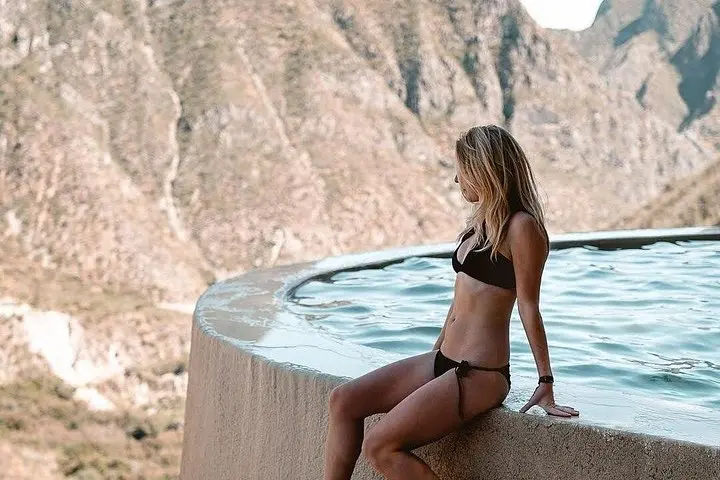
Grutas de Tolantongo sits in a volcanic-cut valley in Hidalgo where geothermal springs have drawn people for generations. The canyon’s limestone and basalt walls tell a simple geological story: groundwater heated by shallow magma finds fractures and emerges as hot springs, carving pools and caves along the way. Local small towns—many with indigenous Otomí heritage—manage the park today, blending community-run facilities with rustic camping and basic services.
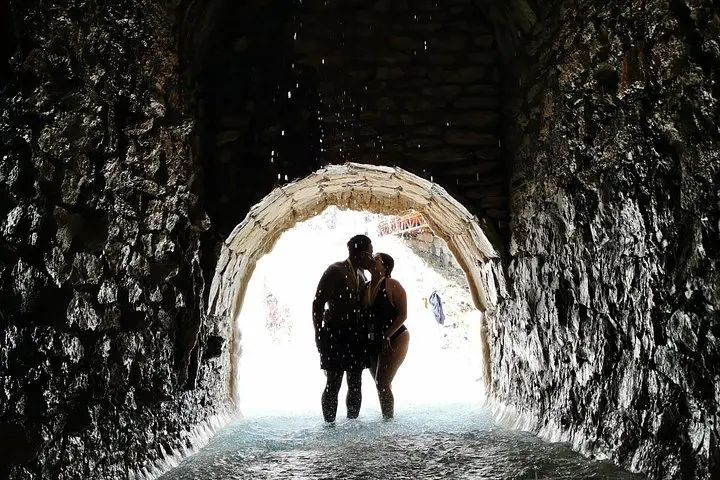
Expect a mix of easy walks and stair descents, short cave passages that require stooping, and river swimming in currents that sometimes nudge you downstream. Suspension bridges and a modest zip line add adrenal moments, while calmer tide pools invite slow soaking.
Practical notes: arrive early to avoid crowds and to get the best pools; bring water shoes for slippery rock and a refillable bottle—the mineral water can be deceptively dehydrating. Cash is useful for parking, food stalls, and small community-run services; facilities are basic but functional. If you’re sensitive to heat or have cardiovascular concerns, opt for shallow pools and shorter exposure.
A full-day visit is rewarding and straightforward: a blend of active exploration, warm-water recovery, and a chance to support local eco-tourism in a unique geothermal canyon.
About 3–4 hours by car depending on traffic (roughly 160–200 km); many tours provide round-trip transport from CDMX.
Yes for short, supervised soaks—avoid prolonged exposure and choose cooler pools for sensitive individuals; consult a doctor for serious health concerns.
Yes, the park charges an admission fee; facilities are community-run and include basic bathrooms, changing areas, and food stalls—expect rustic amenities.
Yes, there are camping and basic cabins nearby run by local vendors; book or arrive early in high season to secure a spot.
Aibuker Trips operates guided outdoor trips and adventures with an emphasis on safety, stewardship, and memorable experiences.
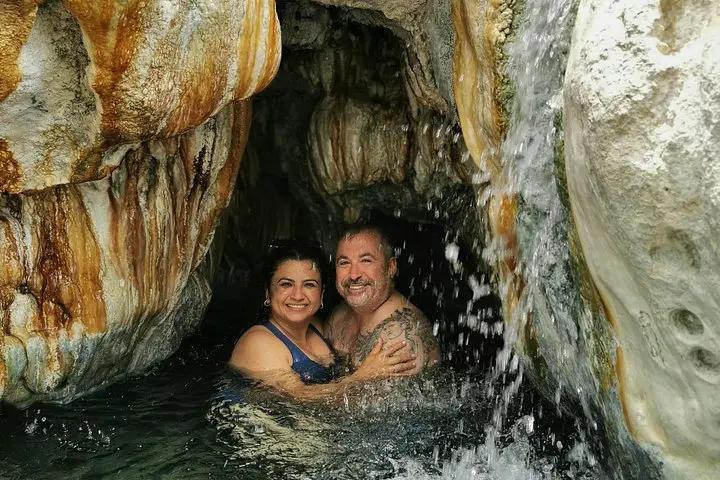
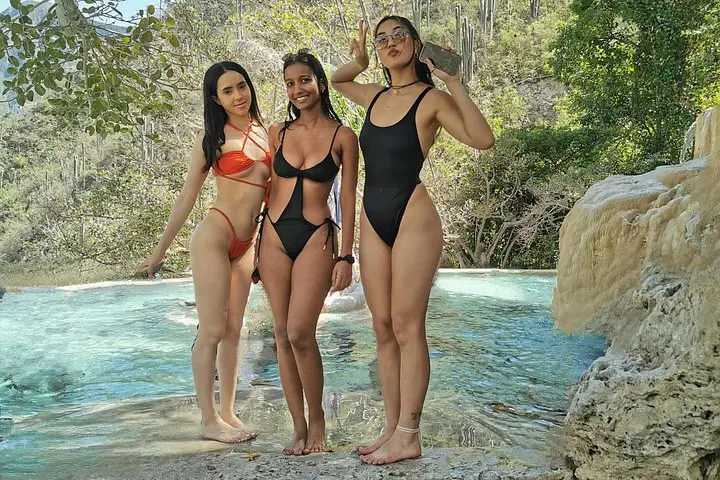
You step off the minivan where the canyon narrows and warm steam rises from a turquoise river that threads the gorge. The scent of wet rock and pine follows you as you descend a series of stone stairs toward terraced thermal pools fed by an underground grotto; children laugh in the shallows while steam coils from deeper channels.
You step off the minivan where the canyon narrows and warm steam rises from a turquoise river that threads the gorge. The scent of wet rock and pine follows you as you descend a series of stone stairs toward terraced thermal pools fed by an underground grotto; children laugh in the shallows while steam coils from deeper channels.
Grutas de Tolantongo sits in a volcanic-cut valley in Hidalgo where geothermal springs have drawn people for generations. The canyon’s limestone and basalt walls tell a simple geological story: groundwater heated by shallow magma finds fractures and emerges as hot springs, carving pools and caves along the way. Local small towns—many with indigenous Otomí heritage—manage the park today, blending community-run facilities with rustic camping and basic services.
Expect a mix of easy walks and stair descents, short cave passages that require stooping, and river swimming in currents that sometimes nudge you downstream. Suspension bridges and a modest zip line add adrenal moments, while calmer tide pools invite slow soaking.
Practical notes: arrive early to avoid crowds and to get the best pools; bring water shoes for slippery rock and a refillable bottle—the mineral water can be deceptively dehydrating. Cash is useful for parking, food stalls, and small community-run services; facilities are basic but functional. If you’re sensitive to heat or have cardiovascular concerns, opt for shallow pools and shorter exposure.
A full-day visit is rewarding and straightforward: a blend of active exploration, warm-water recovery, and a chance to support local eco-tourism in a unique geothermal canyon.