THE ADVENTURE COLLECTIVE® · Independent discovery and booking for outdoor travel

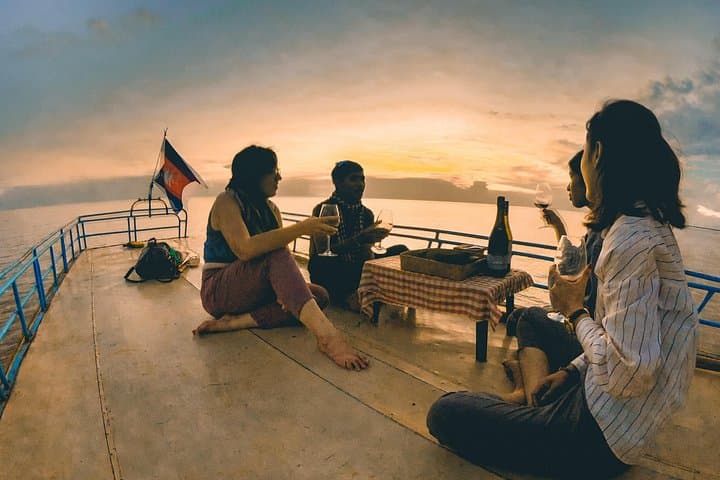
Take an afternoon jeep through Cambodian countryside, meet farming families, then glide through a Tonle Sap floating village by wooden boat at sunset. This half-day tour pairs cultural stops with a calm twilight cruise—perfect for accessible, hands-on insight into life on Southeast Asia’s largest freshwater lake.
Take an afternoon jeep through Cambodian countryside, meet farming families, then glide through a Tonle Sap floating village by wooden boat at sunset. This half-day tour pairs cultural stops with a calm twilight cruise—perfect for accessible, hands-on insight into life on Southeast Asia’s largest freshwater lake.
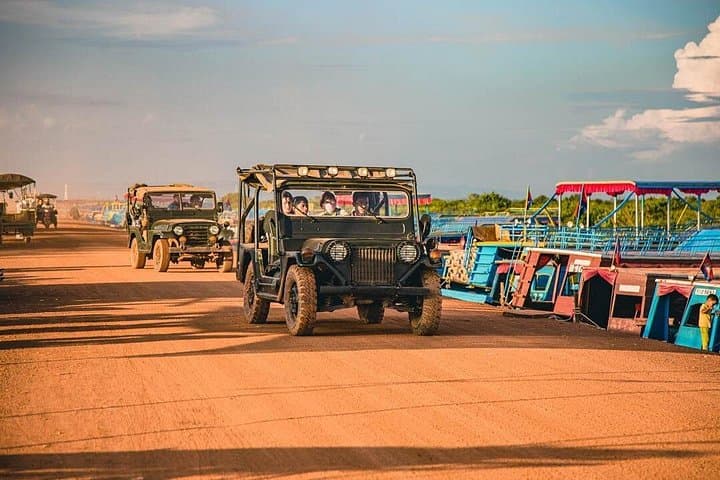
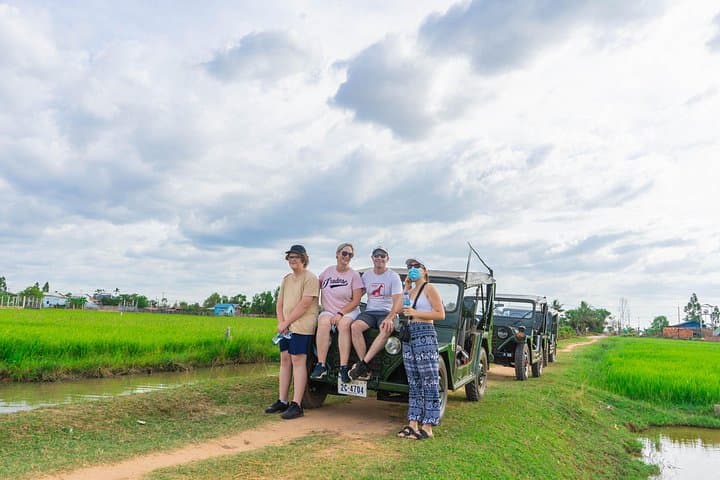
Late afternoon light thins over broad rice paddies as an open-air jeep rumbles south from Siem Reap, red dust trailing behind.
Verified experiences and guided adventures in the surrounding area.
Operated by Tours By Jeeps · Siem Reap, Siem Reap Province
Late afternoon light thins over broad rice paddies as an open-air jeep rumbles south from Siem Reap, red dust trailing behind.
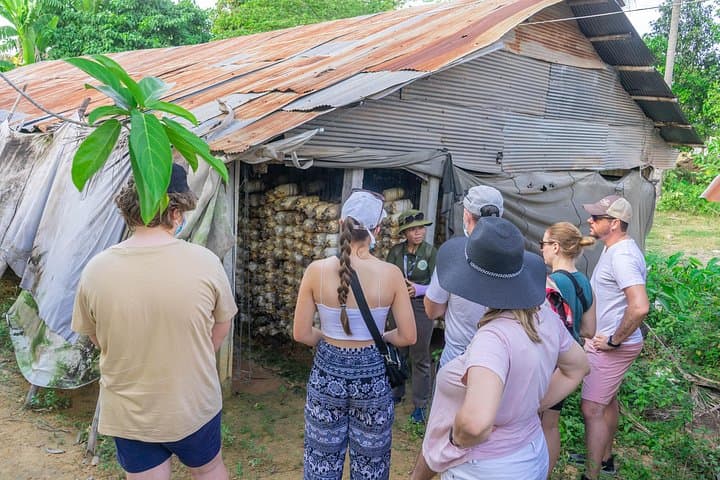
You cross flat, agricultural landscape—cracked laterite road giving way to narrow tracks—until the jeep eases to a stop at a family home on stilts. Here you learn the rhythm of rural Cambodian life: coconut drinks handed across a wooden porch, children waving from the edge of their paddies, and a rice wine distillery whose aroma speaks to centuries of local craft.
Geology and hydrology shape everything nearby. Tonle Sap Lake is a flood pulse system: the Mekong’s monsoon surge reverses the Tonle Sap River, swelling the lake by many meters each year and turning dry fields into floating neighbourhoods. The floating villages grew as a practical response—wooden houses and boats adapt to an annual waterline that can change by up to eight meters.
Culturally, expect warm hospitality and curious conversation; guides typically explain the seasonal migration of fish and how locals harvest floodplain resources. Birdlife is busy at dusk—herons and storks outline the horizon—and communities balance tradition with pressures from tourism and fishing.
Practical guidance: wear comfortable, water-resistant shoes for boarding boats and walking between stilts, bring insect repellent and a light rain layer in the wet season, and time your visit for an hour before sunset to catch the best light. Hydrate on the jeep ride and keep small bills ready for local purchases.
The experience is straightforward: open-air jeep through countryside, short cultural stops, then a wooden-boat cruise at twilight with local snacks and drinks—ideal for travelers seeking an accessible, sensory introduction to Tonle Sap’s living landscape.
The tour runs about 5–6 hours total with pickup mid-afternoon (commonly around 1:30–2:00 pm) and returns in the evening after sunset.
Yes—activity is low-impact with short walks and seated boat travel, but infants must sit on laps and the operator advises against participants with serious back or heart conditions.
Bring insect repellent, sun protection, small cash for local purchases, and wear shoes that can get wet when boarding boats.
You can often see waterbirds such as herons and storks and sometimes larger freshwater species from the boat at dusk, though sightings vary seasonally.
Tours By Jeeps operates guided outdoor trips and adventures with an emphasis on safety, stewardship, and memorable experiences.
Late afternoon light thins over broad rice paddies as an open-air jeep rumbles south from Siem Reap, red dust trailing behind.
Late afternoon light thins over broad rice paddies as an open-air jeep rumbles south from Siem Reap, red dust trailing behind.
You cross flat, agricultural landscape—cracked laterite road giving way to narrow tracks—until the jeep eases to a stop at a family home on stilts. Here you learn the rhythm of rural Cambodian life: coconut drinks handed across a wooden porch, children waving from the edge of their paddies, and a rice wine distillery whose aroma speaks to centuries of local craft.
Geology and hydrology shape everything nearby. Tonle Sap Lake is a flood pulse system: the Mekong’s monsoon surge reverses the Tonle Sap River, swelling the lake by many meters each year and turning dry fields into floating neighbourhoods. The floating villages grew as a practical response—wooden houses and boats adapt to an annual waterline that can change by up to eight meters.
Culturally, expect warm hospitality and curious conversation; guides typically explain the seasonal migration of fish and how locals harvest floodplain resources. Birdlife is busy at dusk—herons and storks outline the horizon—and communities balance tradition with pressures from tourism and fishing.
Practical guidance: wear comfortable, water-resistant shoes for boarding boats and walking between stilts, bring insect repellent and a light rain layer in the wet season, and time your visit for an hour before sunset to catch the best light. Hydrate on the jeep ride and keep small bills ready for local purchases.
The experience is straightforward: open-air jeep through countryside, short cultural stops, then a wooden-boat cruise at twilight with local snacks and drinks—ideal for travelers seeking an accessible, sensory introduction to Tonle Sap’s living landscape.