THE ADVENTURE COLLECTIVE® · Independent discovery and booking for outdoor travel

Climb the restored Ford Island Control Tower for a 360° view of Pearl Harbor and a guided look at the battlefield from the site that watched it unfold. This 90‑minute tour pairs elevated perspectives with museum access for a compact, historically focused visit.
Climb the restored Ford Island Control Tower for a 360° view of Pearl Harbor and a guided look at the battlefield from the site that watched it unfold. This 90‑minute tour pairs elevated perspectives with museum access for a compact, historically focused visit.
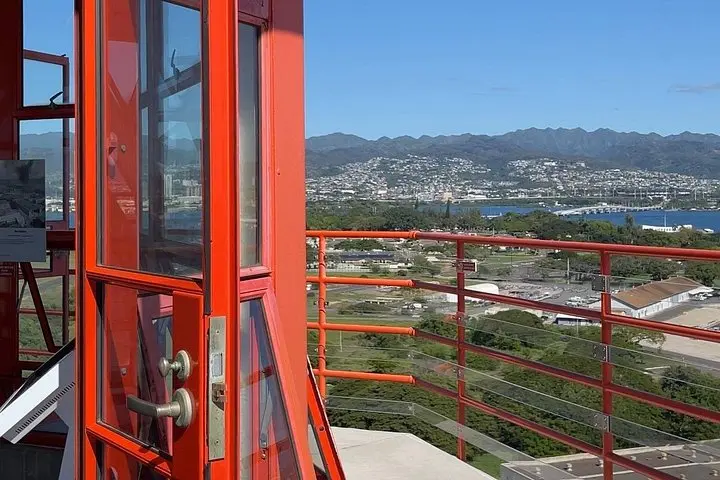
Step onto Ford Island and you feel history tilt underfoot — concrete and rivets humming with a past that reshaped the Pacific. The 15‑story, 168‑foot Ford Island Control Tower rises above the harbor; the restored elevator and upper cab open to a 360° observation deck that lets you study the bay line by line.
Verified experiences and guided adventures in the surrounding area.
Operated by Pearl Harbor Aviation Museum · Honolulu, Hawaii
Step onto Ford Island and you feel history tilt underfoot — concrete and rivets humming with a past that reshaped the Pacific. The 15‑story, 168‑foot Ford Island Control Tower rises above the harbor; the restored elevator and upper cab open to a 360° observation deck that lets you study the bay line by line.
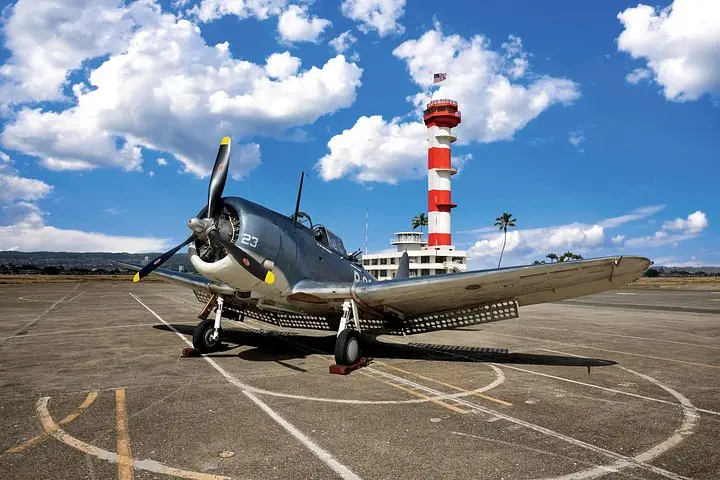
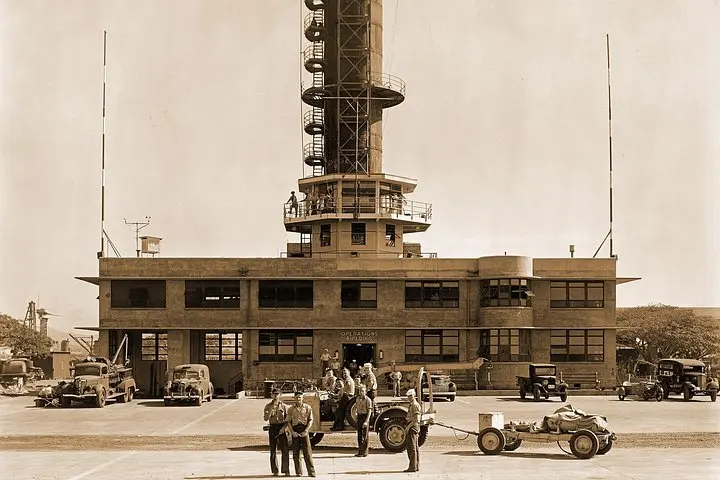
The tower stood sentry during the December 7, 1941 attack and now functions as a living vantage point for the Pearl Harbor battlefield. Geologically, the island is reclaimed coral and basalt foundation shaped by coastal processes; culturally, the site bridges military history and Hawaiian stewardship. The adjacent Operations Building and the museum’s firehouse exhibit frame the practical infrastructure that kept the fleet running.
On the Top of the Tower Tour you get a guided ascent, views of Battleship Row, and access to the museum’s main floor and exhibits — all within a 90‑minute visit. Expect two flights of steep stairs at parts of the route; the restored elevator covers much but not all vertical circulation. Guides point out sightlines used by controllers and narrate how the landscape and harbor operations evolved after 1941.
Plan for sun and wind on the deck, bring a water bottle and a camera with a good zoom, and budget time for the museum’s indoor exhibits before or after the guided segment. Note health advisories — this climb isn’t recommended for those with spinal, heart, or pregnancy constraints. For travelers who want a concentrated, historically rich vantage of Pearl Harbor, the Control Tower tour is concise, grounded, and revealing.
The restored elevator provides access to much of the structure, but some sections require stair use; contact the museum in advance for specific accessibility accommodations.
Yes — photography is permitted for personal use; the guide may restrict areas for safety or preservation reasons.
The Pearl Harbor Aviation Museum is reached by vehicle via the Ford Island causeway; public transit options exist nearby but check schedules and security checkpoints.
Not recommended for pregnant travelers or those with serious spinal or heart conditions; visitors must be able to climb two flights of steep stairs in some areas.
Pearl Harbor Aviation Museum operates guided outdoor trips and adventures with an emphasis on safety, stewardship, and memorable experiences.
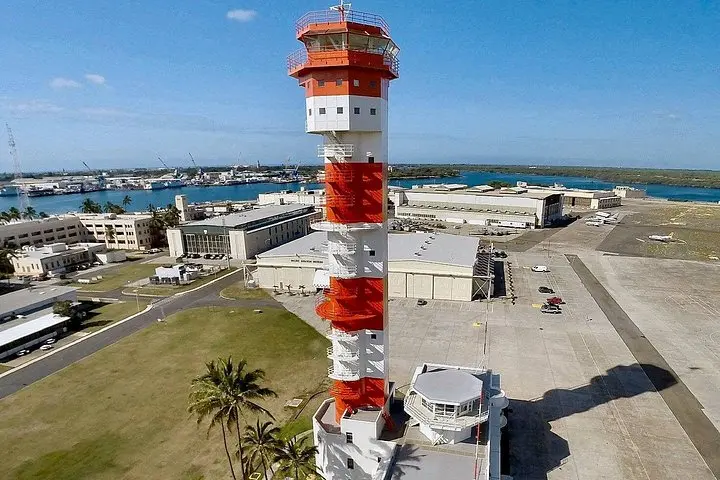
Step onto Ford Island and you feel history tilt underfoot — concrete and rivets humming with a past that reshaped the Pacific. The 15‑story, 168‑foot Ford Island Control Tower rises above the harbor; the restored elevator and upper cab open to a 360° observation deck that lets you study the bay line by line.
Step onto Ford Island and you feel history tilt underfoot — concrete and rivets humming with a past that reshaped the Pacific. The 15‑story, 168‑foot Ford Island Control Tower rises above the harbor; the restored elevator and upper cab open to a 360° observation deck that lets you study the bay line by line.
The tower stood sentry during the December 7, 1941 attack and now functions as a living vantage point for the Pearl Harbor battlefield. Geologically, the island is reclaimed coral and basalt foundation shaped by coastal processes; culturally, the site bridges military history and Hawaiian stewardship. The adjacent Operations Building and the museum’s firehouse exhibit frame the practical infrastructure that kept the fleet running.
On the Top of the Tower Tour you get a guided ascent, views of Battleship Row, and access to the museum’s main floor and exhibits — all within a 90‑minute visit. Expect two flights of steep stairs at parts of the route; the restored elevator covers much but not all vertical circulation. Guides point out sightlines used by controllers and narrate how the landscape and harbor operations evolved after 1941.
Plan for sun and wind on the deck, bring a water bottle and a camera with a good zoom, and budget time for the museum’s indoor exhibits before or after the guided segment. Note health advisories — this climb isn’t recommended for those with spinal, heart, or pregnancy constraints. For travelers who want a concentrated, historically rich vantage of Pearl Harbor, the Control Tower tour is concise, grounded, and revealing.