THE ADVENTURE COLLECTIVE® · Independent discovery and booking for outdoor travel

Travel through Toraja’s highland villages, cliffside graves and rice terraces on a guided 4‑day circuit from Makassar. Expect carved tongkonan houses, megalithic sites, and viewpoints that reward early mornings.
Travel through Toraja’s highland villages, cliffside graves and rice terraces on a guided 4‑day circuit from Makassar. Expect carved tongkonan houses, megalithic sites, and viewpoints that reward early mornings.
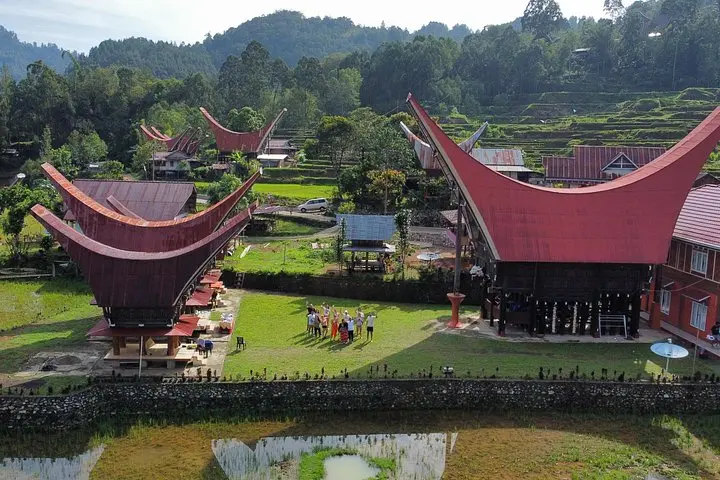
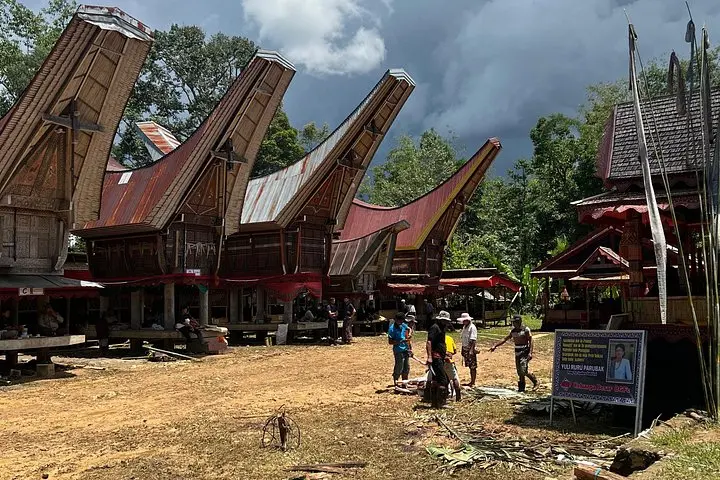
Dawn breaks over steep rice terraces and karst spires as the minivan winds deeper into the highlands of South Sulawesi. Cool air pushes at your jacket; mist lifts off emerald paddies to reveal rows of tongkonan—Toraja’s carved, boat-shaped houses—standing like chapters of a living storybook.
Verified experiences and guided adventures in the surrounding area.
Operated by Pacebo Tours · Rantepao, South Sulawesi
Dawn breaks over steep rice terraces and karst spires as the minivan winds deeper into the highlands of South Sulawesi. Cool air pushes at your jacket; mist lifts off emerald paddies to reveal rows of tongkonan—Toraja’s carved, boat-shaped houses—standing like chapters of a living storybook.
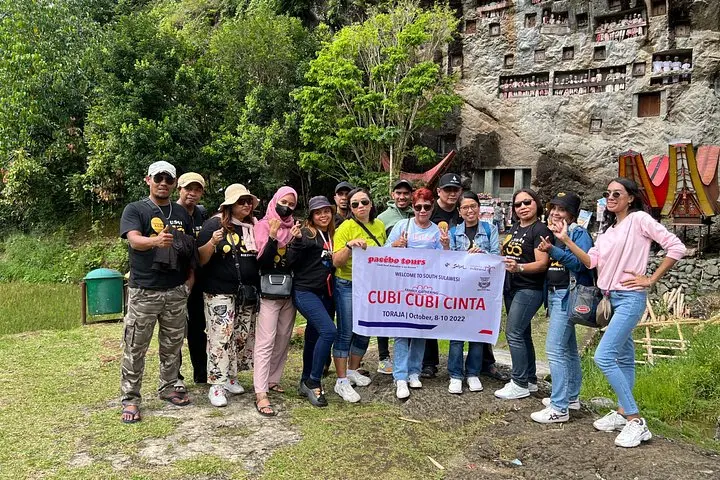
The region’s history is visible everywhere: cliffside graves carved into limestone cliffs, wooden Tau Tau effigies watching over valley floors, and megalithic stones marking centuries of ancestor veneration. Geologically, Toraja sits atop folded limestone and volcanic soils that create sharp ridges, natural caves and fertile terraces—features that shaped settlement patterns and funeral architecture.
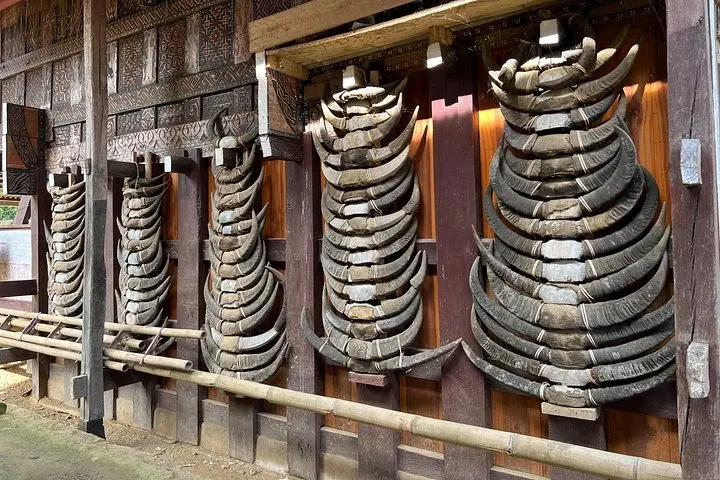
Culturally, ceremonies remain central. Funerals are communal events that blend ritual, buffalo symbolism, and practical displays of status; visitors witness both daily village life and these larger rites when timing allows. Local guides translate oral histories, explain buffalo horn displays on rice barns, and point out craft workshops where tau-tau and carvings are still made.
Practical guidance: pack for cool mornings and sudden rain—layers and a compact rain jacket are essential. Expect moderate walking on uneven village paths and stairs; comfortable, grippy footwear and a daypack with water will make visits to cliffs and caves easier. Carry small bills for entrance fees and local markets, and be respectful at burial sites—ask before photographing funerary ceremonies.
Timing your trip in the dry months (May–September) reduces mud on trails and improves visibility for sunrise viewpoints like Lolai. With local guidance, this four-day loop balances cultural depth and landscape time, giving travelers a clear, grounded introduction to Toraja’s highland world.
This is a moderate tour: expect short hikes, walking on uneven village paths and stairs; no technical climbing is required.
Most tours base in the Toraja highland towns of Rantepao or Makale, with short drives to villages, burial cliffs and viewpoints.
Yes—many cliff graves and caves are open to visitors, but respect local rules, follow your guide and avoid photographing people without permission.
The dry season, roughly May–September, offers clearer skies and firmer trails; the wet season brings lush green scenery but more rain and muddy paths.
Pacebo Tours operates guided outdoor trips and adventures with an emphasis on safety, stewardship, and memorable experiences.
Dawn breaks over steep rice terraces and karst spires as the minivan winds deeper into the highlands of South Sulawesi. Cool air pushes at your jacket; mist lifts off emerald paddies to reveal rows of tongkonan—Toraja’s carved, boat-shaped houses—standing like chapters of a living storybook.
Dawn breaks over steep rice terraces and karst spires as the minivan winds deeper into the highlands of South Sulawesi. Cool air pushes at your jacket; mist lifts off emerald paddies to reveal rows of tongkonan—Toraja’s carved, boat-shaped houses—standing like chapters of a living storybook.
The region’s history is visible everywhere: cliffside graves carved into limestone cliffs, wooden Tau Tau effigies watching over valley floors, and megalithic stones marking centuries of ancestor veneration. Geologically, Toraja sits atop folded limestone and volcanic soils that create sharp ridges, natural caves and fertile terraces—features that shaped settlement patterns and funeral architecture.
Culturally, ceremonies remain central. Funerals are communal events that blend ritual, buffalo symbolism, and practical displays of status; visitors witness both daily village life and these larger rites when timing allows. Local guides translate oral histories, explain buffalo horn displays on rice barns, and point out craft workshops where tau-tau and carvings are still made.
Practical guidance: pack for cool mornings and sudden rain—layers and a compact rain jacket are essential. Expect moderate walking on uneven village paths and stairs; comfortable, grippy footwear and a daypack with water will make visits to cliffs and caves easier. Carry small bills for entrance fees and local markets, and be respectful at burial sites—ask before photographing funerary ceremonies.
Timing your trip in the dry months (May–September) reduces mud on trails and improves visibility for sunrise viewpoints like Lolai. With local guidance, this four-day loop balances cultural depth and landscape time, giving travelers a clear, grounded introduction to Toraja’s highland world.