THE ADVENTURE COLLECTIVE® · Independent discovery and booking for outdoor travel

Drive from Malaga into a sculpted limestone landscape and spend a day pairing karst hikes at El Torcal with visits to Antequera’s Bronze Age dolmens and historic hilltop district. This small‑group tour blends easy to moderate walking, cultural sites and panoramic viewpoints.
Drive from Malaga into a sculpted limestone landscape and spend a day pairing karst hikes at El Torcal with visits to Antequera’s Bronze Age dolmens and historic hilltop district. This small‑group tour blends easy to moderate walking, cultural sites and panoramic viewpoints.
You leave Malaga as the coast thins and the road climbs toward a landscape that looks carved, not grown. Limestone towers rise in folded plates; wind and rain have sharpened them into corridors and windows. At El Torcal, trails thread through honeycombed karst pavements where the stone seems to challenge you to find a route.
Verified experiences and guided adventures in the surrounding area.
Operated by Tours in Malaga · Antequera, Andalusia
You leave Malaga as the coast thins and the road climbs toward a landscape that looks carved, not grown. Limestone towers rise in folded plates; wind and rain have sharpened them into corridors and windows. At El Torcal, trails thread through honeycombed karst pavements where the stone seems to challenge you to find a route.
This area sits on a Mesozoic limestone slab cut by millennia of erosion. Nearby Antequera carries layers of human history: Bronze Age dolmens, Roman baths and a 16th‑century urban grid that made the city regionally important during Spain’s Renaissance era. The Dolmens of Antequera are among Europe’s most significant megalithic monuments, and Torcal’s geomorphology provides a striking counterpoint — geology and culture within hours of each other.
Expect a day of varied terrain: short, well‑marked karst loops (1–4 km) with modest cumulative elevation gain (roughly 150–300 m across hikes), rocky footing and open viewpoints that reward early light. The tour typically combines 2 hours of guided walking in Torcal, a stop at the Dolmens site (museum/admission included), and a walking orientation of Antequera’s upper town with time for lunch.
Practical edge: wear sturdy mountain shoes, carry 1–2 L of water, sun protection and a light windproof layer; trails are exposed and can be windy. Morning departures avoid heat and reduce crowds. Respect signed paths — the karst is fragile and shelters nesting raptors. With a mountain guide and transport from Malaga, it’s a compact, accessible introduction to Andalusian geology, archaeology and small‑city character.
Yes—the tour includes pick up in Malaga; confirm your pickup point when booking and be ready 15 minutes before departure.
Walks are short but on uneven karst terrain; expect moderate footing—sturdy shoes are recommended and the pace is guided for a general audience.
Admission to the Dolmens site is included as noted in the itinerary; check current opening hours as museum times can vary seasonally.
The operator advises children under 10 are not recommended due to hiking sections; if children are included, disclose ages at booking.
Tours in Malaga operates guided outdoor trips and adventures with an emphasis on safety, stewardship, and memorable experiences.
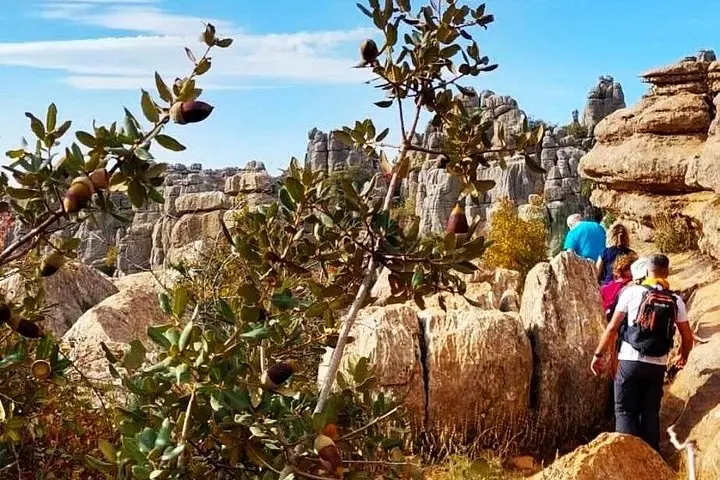
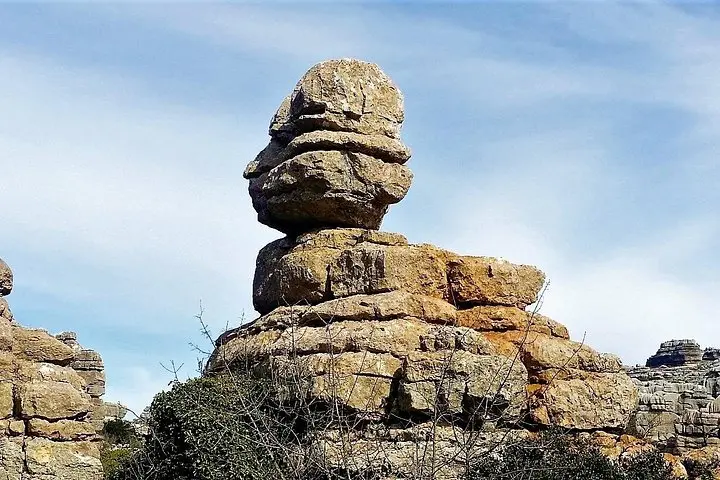
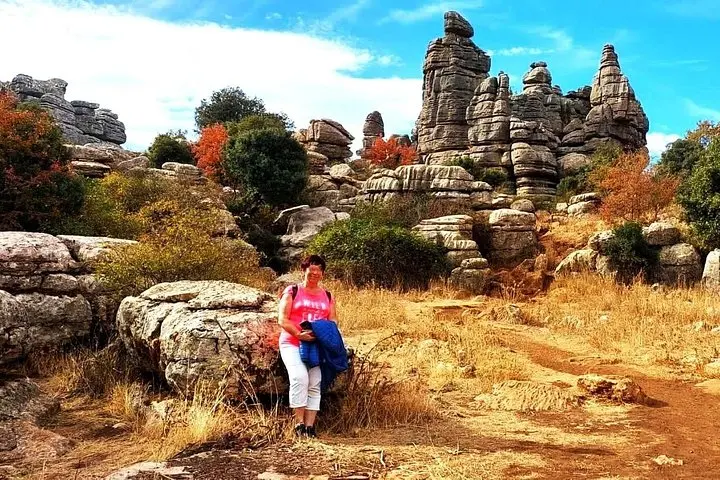
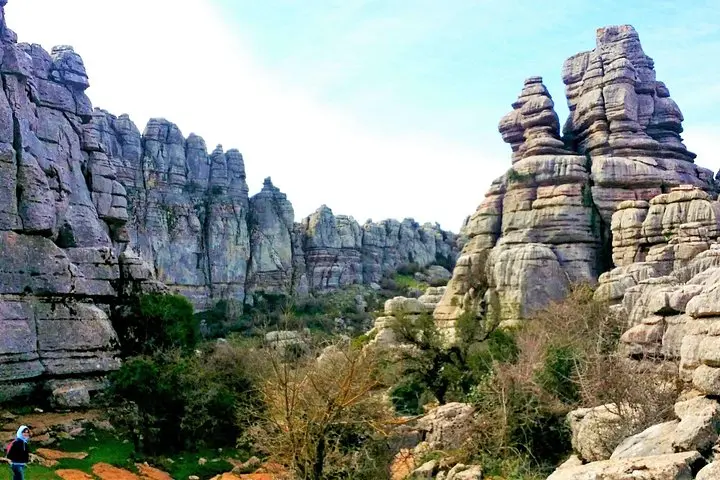
You leave Malaga as the coast thins and the road climbs toward a landscape that looks carved, not grown. Limestone towers rise in folded plates; wind and rain have sharpened them into corridors and windows. At El Torcal, trails thread through honeycombed karst pavements where the stone seems to challenge you to find a route.
You leave Malaga as the coast thins and the road climbs toward a landscape that looks carved, not grown. Limestone towers rise in folded plates; wind and rain have sharpened them into corridors and windows. At El Torcal, trails thread through honeycombed karst pavements where the stone seems to challenge you to find a route.
This area sits on a Mesozoic limestone slab cut by millennia of erosion. Nearby Antequera carries layers of human history: Bronze Age dolmens, Roman baths and a 16th‑century urban grid that made the city regionally important during Spain’s Renaissance era. The Dolmens of Antequera are among Europe’s most significant megalithic monuments, and Torcal’s geomorphology provides a striking counterpoint — geology and culture within hours of each other.
Expect a day of varied terrain: short, well‑marked karst loops (1–4 km) with modest cumulative elevation gain (roughly 150–300 m across hikes), rocky footing and open viewpoints that reward early light. The tour typically combines 2 hours of guided walking in Torcal, a stop at the Dolmens site (museum/admission included), and a walking orientation of Antequera’s upper town with time for lunch.
Practical edge: wear sturdy mountain shoes, carry 1–2 L of water, sun protection and a light windproof layer; trails are exposed and can be windy. Morning departures avoid heat and reduce crowds. Respect signed paths — the karst is fragile and shelters nesting raptors. With a mountain guide and transport from Malaga, it’s a compact, accessible introduction to Andalusian geology, archaeology and small‑city character.