THE ADVENTURE COLLECTIVE® · Independent discovery and booking for outdoor travel

A three-day loop from Cochabamba into Toro Toro National Park that pairs canyon descents, the Ciudad de Piedra labyrinths, and Bolivia’s largest caverns with guided explanation of fossils and local culture. Practical, immersive and mostly non-technical.
A three-day loop from Cochabamba into Toro Toro National Park that pairs canyon descents, the Ciudad de Piedra labyrinths, and Bolivia’s largest caverns with guided explanation of fossils and local culture. Practical, immersive and mostly non-technical.
You step off the van into a hard, sun-washed plaza and the air feels older here — mineral and dry, laced with dust kicked up from stone streets. Toro Toro looks compact from above, but the land around it is a carved landscape: deep canyons, layered sandstone cliffs and a stone city that once held creatures the size of houses.
Verified experiences and guided adventures in the surrounding area.
Operated by Mapamundi Go · Toro Toro, Potosí Department
You step off the van into a hard, sun-washed plaza and the air feels older here — mineral and dry, laced with dust kicked up from stone streets. Toro Toro looks compact from above, but the land around it is a carved landscape: deep canyons, layered sandstone cliffs and a stone city that once held creatures the size of houses.
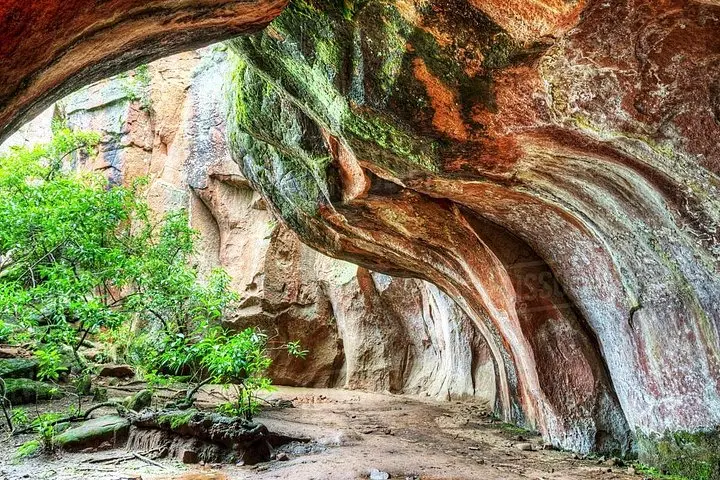
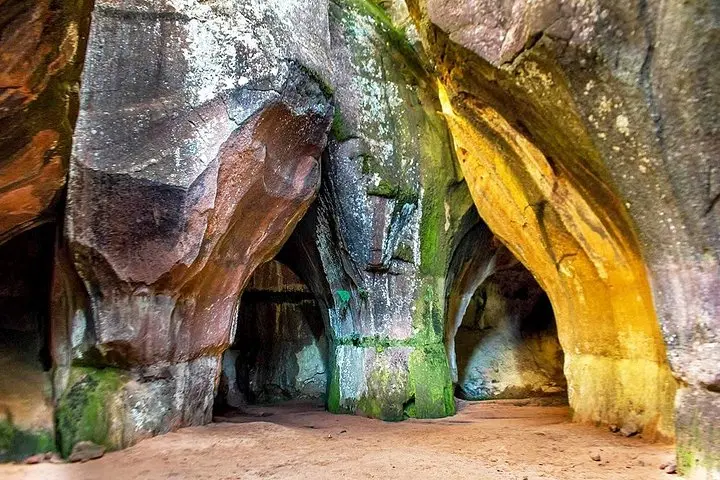
The park preserves Cretaceous and Quaternary fossils and enormous dinosaur trackways. Geology here reads like an open book — river-cut canyons, inverted layers, and cavern systems where water has sculpted stalactites and blind pools over millennia. Colonial-era towns like nearby Tarata add cultural chapters: clay workshops, adobe homes and highland hospitality that balances rural Bolivian life with the steady parade of researchers and trekkers.
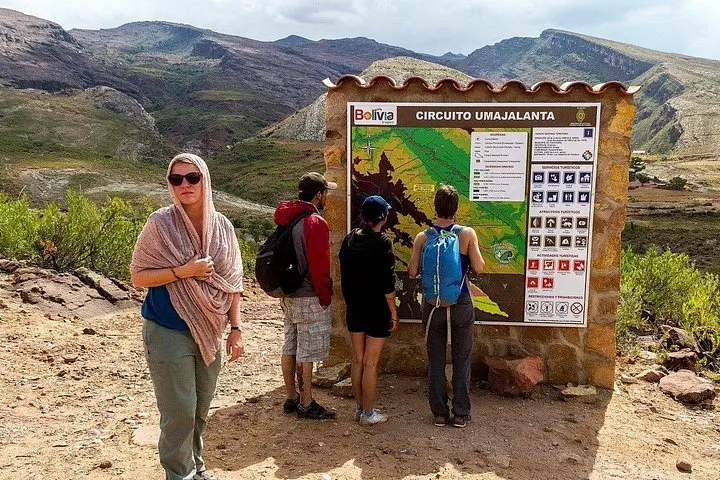
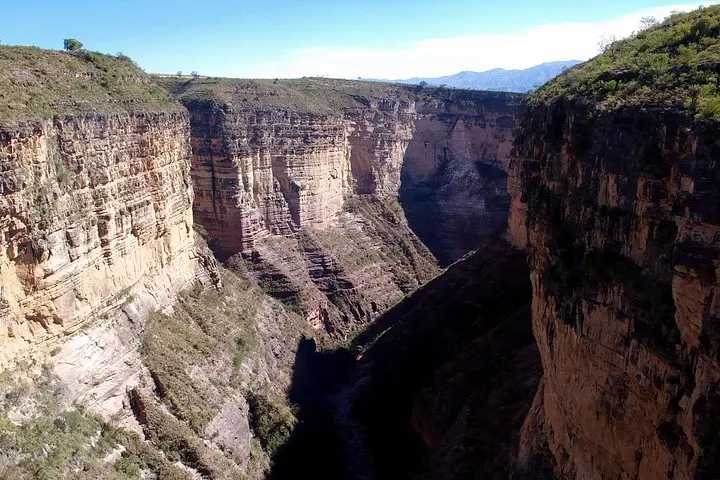
Over three days you’ll move from museum displays of fossil finds to the stone labyrinths of Ciudad de Piedra (Itas), the immense Umajalanta caverns with their caverns, and the Mirador del Cañón for wide canyon perspectives. The descent into Toro Toro Canyon follows carved stone steps; at the canyon floor, el Vergel’s pools offer a cool finish.
Practical guidance: expect unpaved roads, dusty trails and midday sun; bring a headlamp for caves and footwear with good grip for uneven sandstone. Accommodations are basic hotels in town; meals are included on the itinerary. The route is non-technical but requires steady footing and a tolerance for altitude and fluctuating temperatures — mornings and nights are noticeably cooler than midday. Plan for water, sun protection and time to move slowly through fragile fossil sites.
The tour is non-technical but involves uneven terrain, stone steps and multi-hour days; basic fitness and steady balance are recommended.
Entrances, most meals listed in the itinerary, hotel accommodation and a specialized guide are included per the tour description.
Older children who can manage long walks and follow guide instructions can join; check with the operator for age limits and safety guidance.
Toro Toro sits at high elevation relative to sea level; allow time to acclimatize in Cochabamba, hydrate, and avoid rapid exertion on day one.
Mapamundi Go operates guided outdoor trips and adventures with an emphasis on safety, stewardship, and memorable experiences.
You step off the van into a hard, sun-washed plaza and the air feels older here — mineral and dry, laced with dust kicked up from stone streets. Toro Toro looks compact from above, but the land around it is a carved landscape: deep canyons, layered sandstone cliffs and a stone city that once held creatures the size of houses.
You step off the van into a hard, sun-washed plaza and the air feels older here — mineral and dry, laced with dust kicked up from stone streets. Toro Toro looks compact from above, but the land around it is a carved landscape: deep canyons, layered sandstone cliffs and a stone city that once held creatures the size of houses.
The park preserves Cretaceous and Quaternary fossils and enormous dinosaur trackways. Geology here reads like an open book — river-cut canyons, inverted layers, and cavern systems where water has sculpted stalactites and blind pools over millennia. Colonial-era towns like nearby Tarata add cultural chapters: clay workshops, adobe homes and highland hospitality that balances rural Bolivian life with the steady parade of researchers and trekkers.
Over three days you’ll move from museum displays of fossil finds to the stone labyrinths of Ciudad de Piedra (Itas), the immense Umajalanta caverns with their caverns, and the Mirador del Cañón for wide canyon perspectives. The descent into Toro Toro Canyon follows carved stone steps; at the canyon floor, el Vergel’s pools offer a cool finish.
Practical guidance: expect unpaved roads, dusty trails and midday sun; bring a headlamp for caves and footwear with good grip for uneven sandstone. Accommodations are basic hotels in town; meals are included on the itinerary. The route is non-technical but requires steady footing and a tolerance for altitude and fluctuating temperatures — mornings and nights are noticeably cooler than midday. Plan for water, sun protection and time to move slowly through fragile fossil sites.