THE ADVENTURE COLLECTIVE® · Independent discovery and booking for outdoor travel

A compact, two-day tour that pairs canyon hikes, dinosaur tracks and cave exploration in Bolivia’s Torotoro National Park. Expect karst canyons, fossil sites and guided cave passages with simple overnight lodging.
A compact, two-day tour that pairs canyon hikes, dinosaur tracks and cave exploration in Bolivia’s Torotoro National Park. Expect karst canyons, fossil sites and guided cave passages with simple overnight lodging.
You step out of the minivan into thin, cool highland air and a village that looks as if it was carved from the same limestone canyon ahead. Torotoro’s streets are quiet; the land beyond hums with the work of water on rock. On a two-day overnight tour visitors move from dusty plaza to fossil-strewn trails, from cliff-edge viewpoints to the hush of a cave where headlamps sketch stalactites in silver.
Verified experiences and guided adventures in the surrounding area.
Operated by Vision Tours Bolivia Products · Torotoro, Potosí
You step out of the minivan into thin, cool highland air and a village that looks as if it was carved from the same limestone canyon ahead. Torotoro’s streets are quiet; the land beyond hums with the work of water on rock. On a two-day overnight tour visitors move from dusty plaza to fossil-strewn trails, from cliff-edge viewpoints to the hush of a cave where headlamps sketch stalactites in silver.
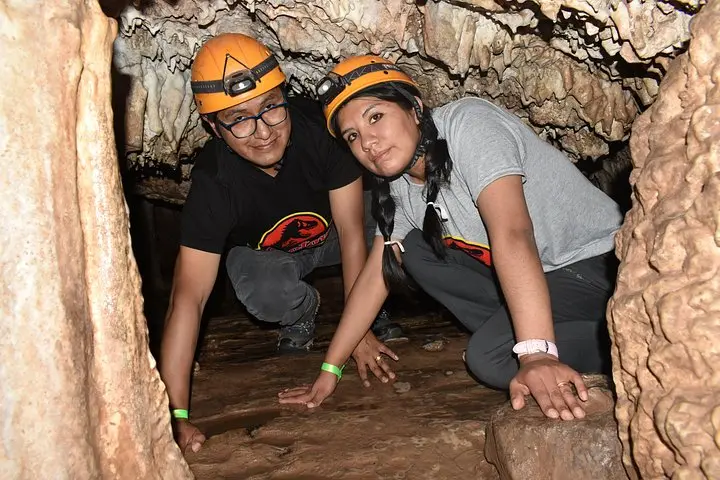
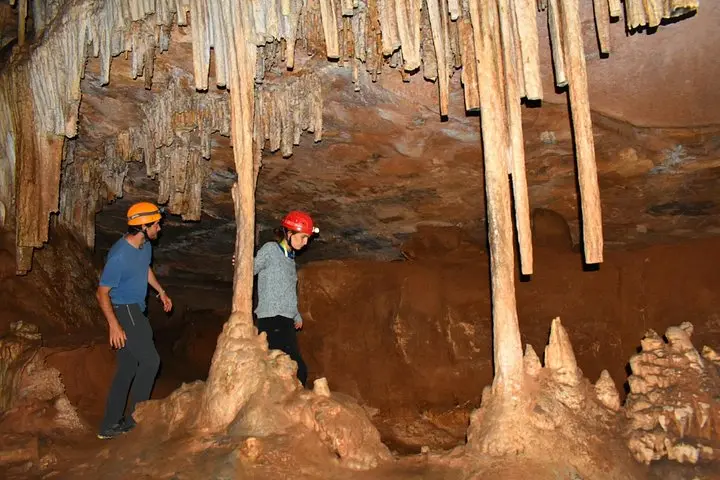
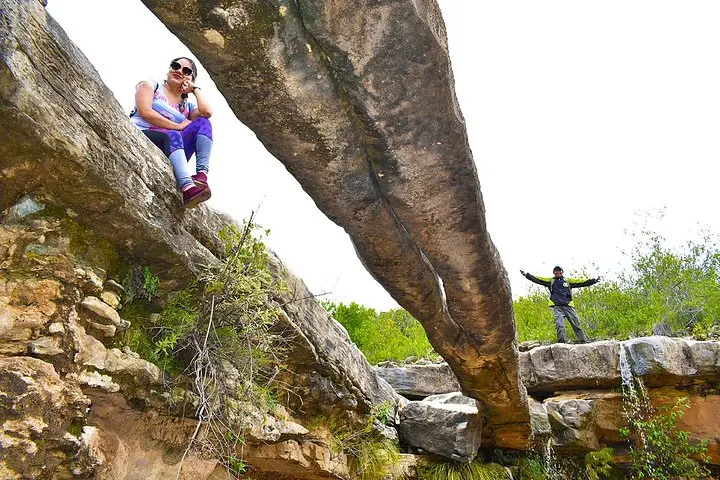
The park is significant for its paleontological record — wide dinosaur footprints fossilized in sandstone — and for its karst geology: canyons cut into Ordovician limestone, natural bridges, and cavern systems. Culturally, Torotoro village retains Andean rural character, with small hostels, local guides fluent in Spanish, and meals rooted in highland produce. The Umajalanta cave offers a different world: narrow passages, blind cave fish, and formations that record millennia of mineral work.
Practically, expect a 3–4 hour drive from Cochabamba on mountain roads, elevations around 2,900–3,200 m, and mostly day hikes of 2–4 hours per circuit over uneven rock, loose gravel, and short steeper sections. Guides handle park entry, helmets, and headlamps for caves; accommodation is basic 3-star hostal with private or shared bathrooms. Bring layered clothing for large temperature swings, a sturdy pair of hiking shoes with good traction for slick rock, and 2–3 liters of water per day. Timing your visit for morning light on the canyon rim rewards clearer views and cooler hiking, while afternoons are best for cave exploration when light is less important. The route is immersive, hands-on, and very accessible for travelers prepared for altitude and rougher trails.
The tour includes roughly a 3–4 hour drive each way on mountain roads; travel time varies with road and weather conditions.
Yes—guides provide helmets with lights for Umajalanta cave, but bringing a personal headlamp and spare batteries is recommended.
The operator lists accessibility options and the tour is designed to be physically moderate; however cave passages involve stairs and narrow sections that may be challenging for some.
Visitors often spot condors or other raptors over the canyon, small mammals like vizcachas on rock ledges, and cave-adapted species such as blind fish in subterranean pools.
Vision Tours Bolivia Products operates guided outdoor trips and adventures with an emphasis on safety, stewardship, and memorable experiences.
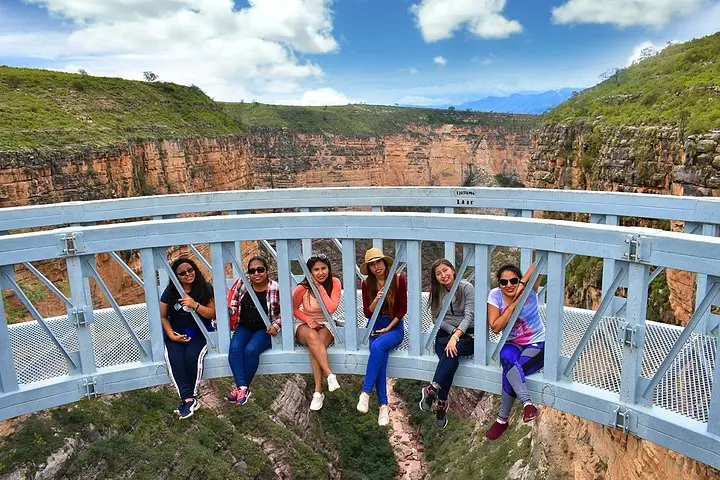
You step out of the minivan into thin, cool highland air and a village that looks as if it was carved from the same limestone canyon ahead. Torotoro’s streets are quiet; the land beyond hums with the work of water on rock. On a two-day overnight tour visitors move from dusty plaza to fossil-strewn trails, from cliff-edge viewpoints to the hush of a cave where headlamps sketch stalactites in silver.
You step out of the minivan into thin, cool highland air and a village that looks as if it was carved from the same limestone canyon ahead. Torotoro’s streets are quiet; the land beyond hums with the work of water on rock. On a two-day overnight tour visitors move from dusty plaza to fossil-strewn trails, from cliff-edge viewpoints to the hush of a cave where headlamps sketch stalactites in silver.
The park is significant for its paleontological record — wide dinosaur footprints fossilized in sandstone — and for its karst geology: canyons cut into Ordovician limestone, natural bridges, and cavern systems. Culturally, Torotoro village retains Andean rural character, with small hostels, local guides fluent in Spanish, and meals rooted in highland produce. The Umajalanta cave offers a different world: narrow passages, blind cave fish, and formations that record millennia of mineral work.
Practically, expect a 3–4 hour drive from Cochabamba on mountain roads, elevations around 2,900–3,200 m, and mostly day hikes of 2–4 hours per circuit over uneven rock, loose gravel, and short steeper sections. Guides handle park entry, helmets, and headlamps for caves; accommodation is basic 3-star hostal with private or shared bathrooms. Bring layered clothing for large temperature swings, a sturdy pair of hiking shoes with good traction for slick rock, and 2–3 liters of water per day. Timing your visit for morning light on the canyon rim rewards clearer views and cooler hiking, while afternoons are best for cave exploration when light is less important. The route is immersive, hands-on, and very accessible for travelers prepared for altitude and rougher trails.