THE ADVENTURE COLLECTIVE® · Independent discovery and booking for outdoor travel

A day trip to Torreciudad combines modern Marian architecture, short pilgrimage walks and wide Pyrenean views. Ideal for visitors who want history, regional food and a peaceful stretch of Aragonese countryside.
A day trip to Torreciudad combines modern Marian architecture, short pilgrimage walks and wide Pyrenean views. Ideal for visitors who want history, regional food and a peaceful stretch of Aragonese countryside.
You arrive on a long, open highway; the air lightens as vineyards and almond fields give way to low hills and the pale silhouette of the sanctuary appearing above the road. Torreciudad’s clean stone façade and modern basilica stand against a wide Aragonese sky, and on clear days the Pyrenees line the horizon—Monte Perdido visible as a distant high point.
Verified experiences and guided adventures in the surrounding area.
Operated by Antonio Falcon · Barbastro, Huesca
You arrive on a long, open highway; the air lightens as vineyards and almond fields give way to low hills and the pale silhouette of the sanctuary appearing above the road. Torreciudad’s clean stone façade and modern basilica stand against a wide Aragonese sky, and on clear days the Pyrenees line the horizon—Monte Perdido visible as a distant high point.
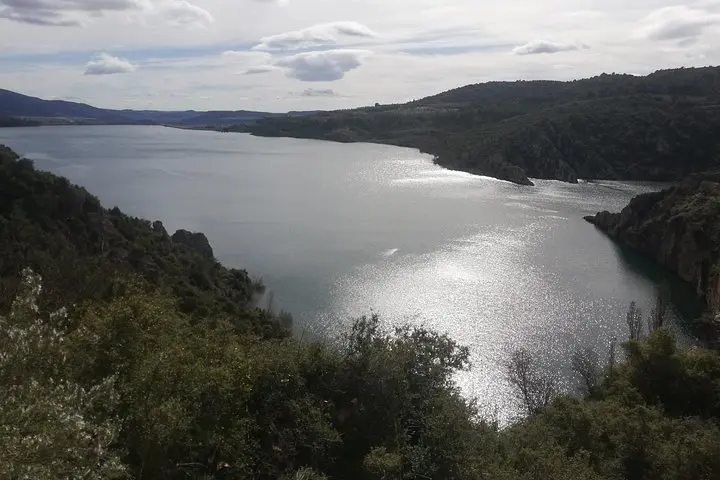
Built in 1975 under the guidance of José María Escrivá de Balaguer, Torreciudad sits near an 11th‑century hermitage that played a role in the founder’s childhood story. The site blends late‑20th‑century religious architecture with older pilgrimage routes: a 14‑station Via Crucis and the Way of Saint Joseph offer gentle, contemplative walks across carved stations and short hillside trails. Geologically the area sits on the transition from Ebro basin plains to foothills that channel the Cinca River; a nearby dam from the 1960s shapes reservoir views and irrigated fields.
Culture here ties faith to land—Somontano wines and seasonal fruit (peaches, cherries, almonds) are part of the visit, and local restaurants in Barbastro serve regional plates after a sanctuary visit or Mass.
Practical guidance: expect a full day if you travel from Barcelona (roughly 2h45 each way, ~240 km). Masses commonly at 11:00 and 13:15; register for a hosted visit if you want staff interpretation. The sanctuary and transport are wheelchair accessible; walking on the Via Crucis is mild but uneven in places. Bring sun protection, water, and modest attire for liturgy. Combine the stop with a tasting of DO Somontano wines or a quick walk through Barbastro’s Gothic cathedral if time allows.
The sanctuary is about 240 km from Barcelona with approximately 2 hours 45 minutes of driving each way on mostly highways.
Yes—if you register in advance a staff host may meet your group to explain the basilica and surrounding sites; otherwise self‑guided visits are common.
The sanctuary and main visitor areas are wheelchair accessible, and transport options on many tours are similarly adapted.
Yes—many visitors combine the sanctuary visit with a meal and Somontano wine tasting in nearby Barbastro; allow extra time for dining and walking the town.
Antonio Falcon operates guided outdoor trips and adventures with an emphasis on safety, stewardship, and memorable experiences.
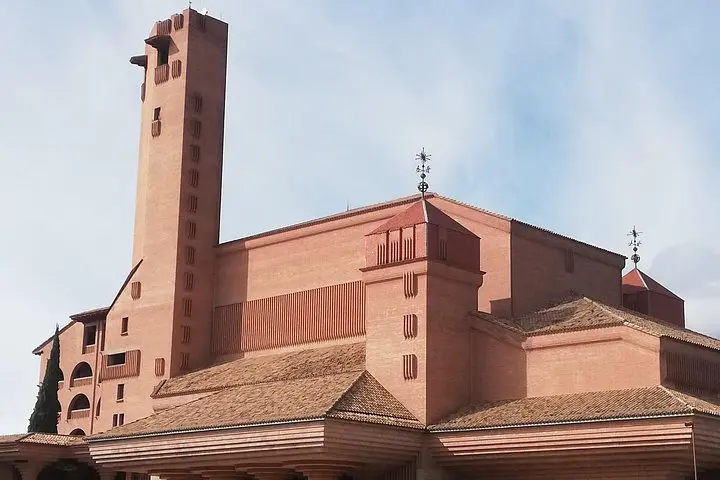
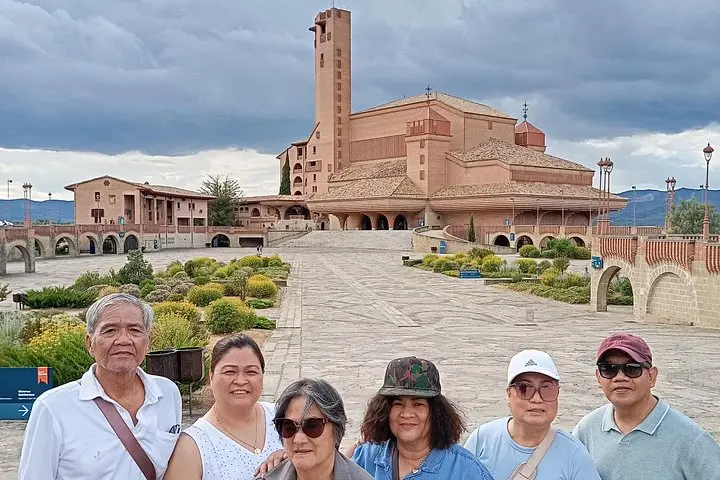
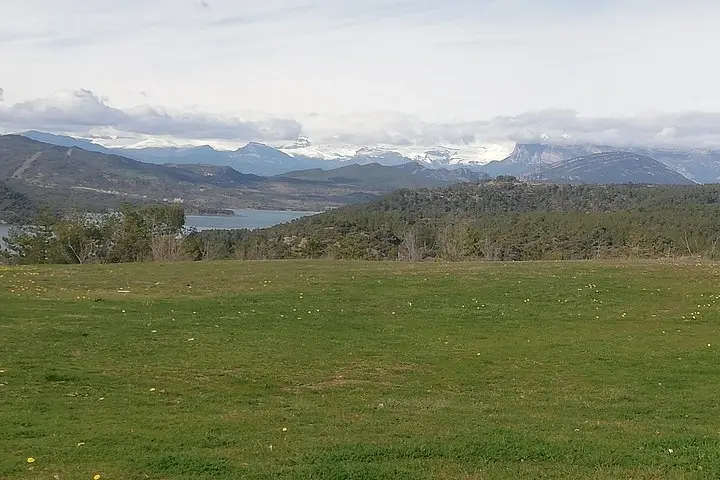
You arrive on a long, open highway; the air lightens as vineyards and almond fields give way to low hills and the pale silhouette of the sanctuary appearing above the road. Torreciudad’s clean stone façade and modern basilica stand against a wide Aragonese sky, and on clear days the Pyrenees line the horizon—Monte Perdido visible as a distant high point.
You arrive on a long, open highway; the air lightens as vineyards and almond fields give way to low hills and the pale silhouette of the sanctuary appearing above the road. Torreciudad’s clean stone façade and modern basilica stand against a wide Aragonese sky, and on clear days the Pyrenees line the horizon—Monte Perdido visible as a distant high point.
Built in 1975 under the guidance of José María Escrivá de Balaguer, Torreciudad sits near an 11th‑century hermitage that played a role in the founder’s childhood story. The site blends late‑20th‑century religious architecture with older pilgrimage routes: a 14‑station Via Crucis and the Way of Saint Joseph offer gentle, contemplative walks across carved stations and short hillside trails. Geologically the area sits on the transition from Ebro basin plains to foothills that channel the Cinca River; a nearby dam from the 1960s shapes reservoir views and irrigated fields.
Culture here ties faith to land—Somontano wines and seasonal fruit (peaches, cherries, almonds) are part of the visit, and local restaurants in Barbastro serve regional plates after a sanctuary visit or Mass.
Practical guidance: expect a full day if you travel from Barcelona (roughly 2h45 each way, ~240 km). Masses commonly at 11:00 and 13:15; register for a hosted visit if you want staff interpretation. The sanctuary and transport are wheelchair accessible; walking on the Via Crucis is mild but uneven in places. Bring sun protection, water, and modest attire for liturgy. Combine the stop with a tasting of DO Somontano wines or a quick walk through Barbastro’s Gothic cathedral if time allows.