THE ADVENTURE COLLECTIVE® · Independent discovery and booking for outdoor travel

A full-day catamaran trip from Puntarenas delivers 12 nautical miles of Pacific crossing to Tortuga Island’s white sand, protected forest and clear snorkeling reefs. This guide explains what to expect, how to prepare and how to respect the island’s Ecological Blue Flag status.
A full-day catamaran trip from Puntarenas delivers 12 nautical miles of Pacific crossing to Tortuga Island’s white sand, protected forest and clear snorkeling reefs. This guide explains what to expect, how to prepare and how to respect the island’s Ecological Blue Flag status.
Morning light hits the Pacific as the catamaran slips away from Puntarenas, sails full and cabins humming with sea breeze. The 12-nautical-mile crossing is part of the trip’s rhythm: waves tapping the hull, seabirds riding the boat’s wake, and the island’s white crescent resolving from blue.
Verified experiences and guided adventures in the surrounding area.
Operated by Tico Travel Adventures · Puntarenas, Puntarenas
Morning light hits the Pacific as the catamaran slips away from Puntarenas, sails full and cabins humming with sea breeze. The 12-nautical-mile crossing is part of the trip’s rhythm: waves tapping the hull, seabirds riding the boat’s wake, and the island’s white crescent resolving from blue.
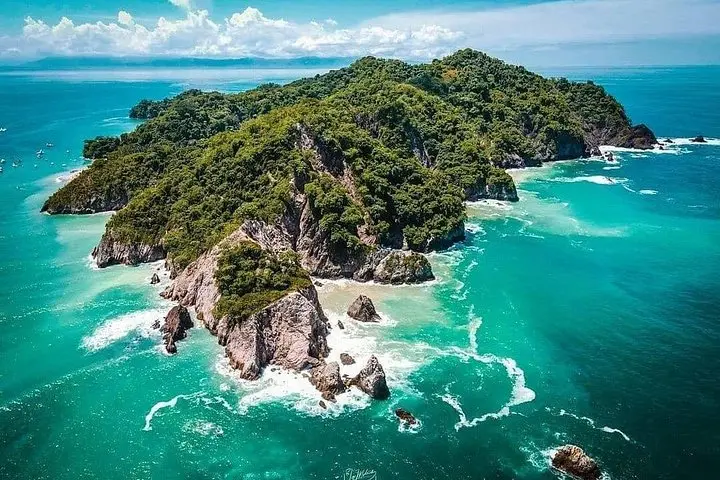
Tortuga Island lies in Costa Rica’s Central Pacific and holds a 120-hectare protected forest that earned an Ecological Blue Flag for its clean waters and conservation work. Geologically the island is largely low-lying volcanic rock and sand, surrounded by shallow reefs that invite snorkeling and coral viewing. Culturally, the island has long been a seasonal fishing and visitor destination for Puntarenas residents; today tours aim to balance access with protection.
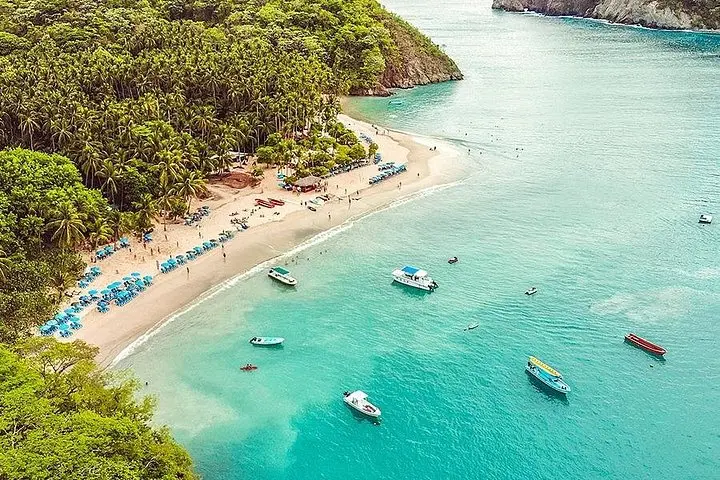
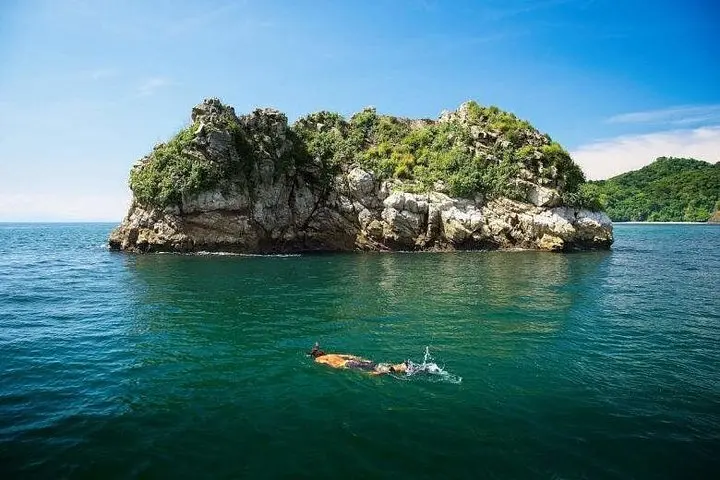
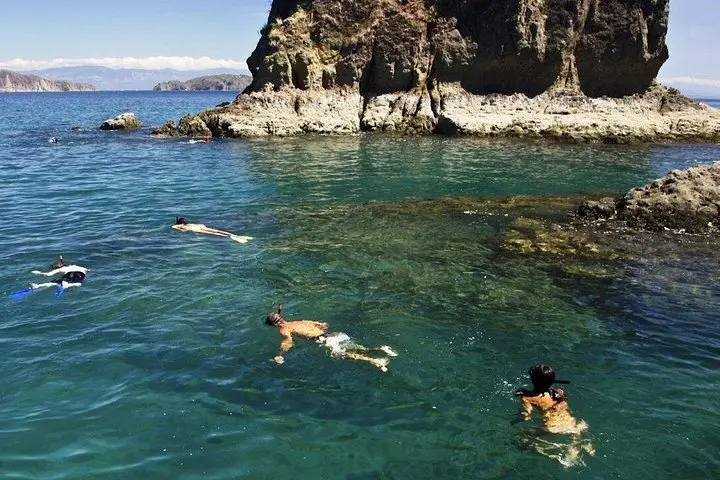
Expect easy, beach-focused activities: swimming, reef snorkeling, beachcombing, and a shaded walk through the protected forest. Nature here is not passive — currents nudge swimmers, frigatebirds wheel and call, and sun on the sand can be relentless.
Practical guidance: this is a full-day excursion (roughly 12–13 hours including transfers). Bookings typically include breakfast aboard, a beach lunch, bilingual guide service and round-trip transport from Puntarenas (many operators offer San José pickups). Snorkel gear may be provided, but bring reef-safe sunscreen, a hat, and a dry bag. If you’re prone to seasickness, take precautions before boarding — the open crossing can be choppy.
Timing matters: aim for dry-season crossings for calmer seas; if you visit in the rainy season, expect brief tropical squalls and richer green foliage. Respect the Blue Flag rules: pack out trash, avoid touching coral, and follow guides’ directions to protect the island’s fragile habitats.
The catamaran crosses about 12 nautical miles and the journey typically takes around 1–2 hours depending on sea conditions.
Many operators supply snorkeling equipment, but availability varies—confirm in advance and consider bringing your own mask for the best fit.
Yes—operators often accommodate families and non-swimmers; life jackets are provided, but supervision and basic swimming comfort are recommended.
Tours monitor conditions and may cancel for safety; refund or rescheduling policies typically apply if an operator cancels due to weather.
Tico Travel Adventures operates guided outdoor trips and adventures with an emphasis on safety, stewardship, and memorable experiences.
Morning light hits the Pacific as the catamaran slips away from Puntarenas, sails full and cabins humming with sea breeze. The 12-nautical-mile crossing is part of the trip’s rhythm: waves tapping the hull, seabirds riding the boat’s wake, and the island’s white crescent resolving from blue.
Morning light hits the Pacific as the catamaran slips away from Puntarenas, sails full and cabins humming with sea breeze. The 12-nautical-mile crossing is part of the trip’s rhythm: waves tapping the hull, seabirds riding the boat’s wake, and the island’s white crescent resolving from blue.
Tortuga Island lies in Costa Rica’s Central Pacific and holds a 120-hectare protected forest that earned an Ecological Blue Flag for its clean waters and conservation work. Geologically the island is largely low-lying volcanic rock and sand, surrounded by shallow reefs that invite snorkeling and coral viewing. Culturally, the island has long been a seasonal fishing and visitor destination for Puntarenas residents; today tours aim to balance access with protection.
Expect easy, beach-focused activities: swimming, reef snorkeling, beachcombing, and a shaded walk through the protected forest. Nature here is not passive — currents nudge swimmers, frigatebirds wheel and call, and sun on the sand can be relentless.
Practical guidance: this is a full-day excursion (roughly 12–13 hours including transfers). Bookings typically include breakfast aboard, a beach lunch, bilingual guide service and round-trip transport from Puntarenas (many operators offer San José pickups). Snorkel gear may be provided, but bring reef-safe sunscreen, a hat, and a dry bag. If you’re prone to seasickness, take precautions before boarding — the open crossing can be choppy.
Timing matters: aim for dry-season crossings for calmer seas; if you visit in the rainy season, expect brief tropical squalls and richer green foliage. Respect the Blue Flag rules: pack out trash, avoid touching coral, and follow guides’ directions to protect the island’s fragile habitats.