THE ADVENTURE COLLECTIVE® · Independent discovery and booking for outdoor travel

A full-day boat excursion from Puntarenas that combines dolphin watching, spider monkey spotting near Negritos Island, and snorkeling around rocky islets before a relaxed afternoon on Tortuga Island’s sandy beach. Expect 6–8 hours on the water with guided wildlife viewing and lunch included.
A full-day boat excursion from Puntarenas that combines dolphin watching, spider monkey spotting near Negritos Island, and snorkeling around rocky islets before a relaxed afternoon on Tortuga Island’s sandy beach. Expect 6–8 hours on the water with guided wildlife viewing and lunch included.
The boat slips away from Puntarenas and the Gulf of Nicoya opens like a broad, restless highway. Salt and sunlight hang in the air as guides scan the horizon for dolphin fins; the sea pushes the bow toward mangrove-fringed islets and, eventually, the white sand of Tortuga Island. On arrival, the beach stretches wide and quiet enough for a long, steady breath.
Verified experiences and guided adventures in the surrounding area.
Operated by Coco's Tours Cr · Puntarenas, Puntarenas
The boat slips away from Puntarenas and the Gulf of Nicoya opens like a broad, restless highway. Salt and sunlight hang in the air as guides scan the horizon for dolphin fins; the sea pushes the bow toward mangrove-fringed islets and, eventually, the white sand of Tortuga Island. On arrival, the beach stretches wide and quiet enough for a long, steady breath.
Geology here is simple and honest: volcanic sediment and marine terrace deposits shaped by tides and seasonal runoff, forming small offshore islands that attract life. The area’s history carries practical marks — a World War II wreck visible at low tide and small fishing camps on neighboring points — and the Negritos Island Biological Reserve protects pockets of dry forest where spider monkeys move like shadows among the crowns.
Expect a mixed day: dolphin-watching in open water, a guided pass by Negritos to spot monkeys, a couple of short snorkel stops on rocky outcrops, then several hours ashore with fruit and a cooked lunch. Water clarity varies with season but is generally excellent for shallow reef snorkeling; currents can prod you along and the guides match spots to conditions.
Practical edge: wear reef-safe sunscreen, bring a snorkel mask if you prefer your own fit, and secure small electronics in a dry bag. Seasickness meds an hour before departure help those prone to rolling swells. Plan for a full-day outing—most tours run six to eight hours—so hydrate, pack a light cover-up for sun and wind, and follow guides’ briefings for safe snorkeling and wildlife viewing.
Tours typically last 6 to 8 hours from the Puntarenas meeting point, including boat transfers, snorkel stops, and time on the island.
Yes — snorkel gear is included, but many travelers bring their own mask for comfort and fit.
Yes; infants may sit on laps and the trip is family-friendly, but it’s not recommended for pregnant travelers or anyone with serious spinal or heart conditions.
Guides commonly spot dolphins in the gulf and spider monkeys around Negritos; shorebirds and reef fish are frequent during snorkel stops.
Coco's Tours Cr operates guided outdoor trips and adventures with an emphasis on safety, stewardship, and memorable experiences.
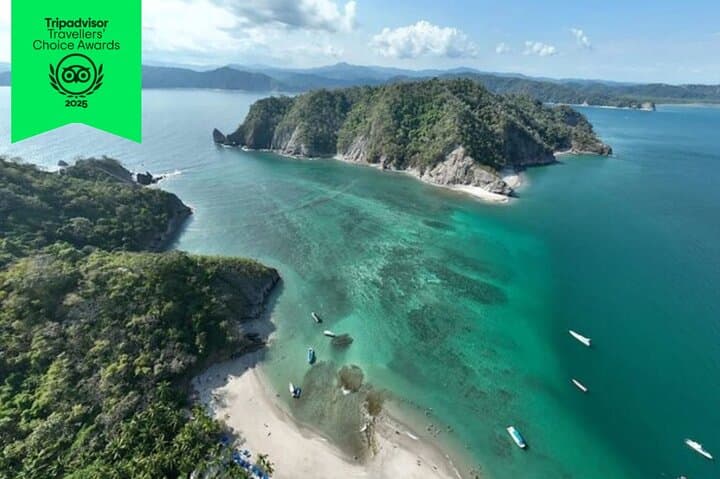

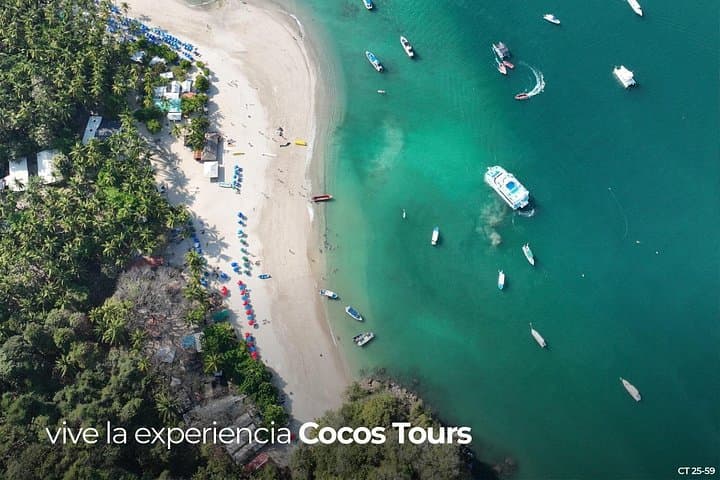

The boat slips away from Puntarenas and the Gulf of Nicoya opens like a broad, restless highway. Salt and sunlight hang in the air as guides scan the horizon for dolphin fins; the sea pushes the bow toward mangrove-fringed islets and, eventually, the white sand of Tortuga Island. On arrival, the beach stretches wide and quiet enough for a long, steady breath.
The boat slips away from Puntarenas and the Gulf of Nicoya opens like a broad, restless highway. Salt and sunlight hang in the air as guides scan the horizon for dolphin fins; the sea pushes the bow toward mangrove-fringed islets and, eventually, the white sand of Tortuga Island. On arrival, the beach stretches wide and quiet enough for a long, steady breath.
Geology here is simple and honest: volcanic sediment and marine terrace deposits shaped by tides and seasonal runoff, forming small offshore islands that attract life. The area’s history carries practical marks — a World War II wreck visible at low tide and small fishing camps on neighboring points — and the Negritos Island Biological Reserve protects pockets of dry forest where spider monkeys move like shadows among the crowns.
Expect a mixed day: dolphin-watching in open water, a guided pass by Negritos to spot monkeys, a couple of short snorkel stops on rocky outcrops, then several hours ashore with fruit and a cooked lunch. Water clarity varies with season but is generally excellent for shallow reef snorkeling; currents can prod you along and the guides match spots to conditions.
Practical edge: wear reef-safe sunscreen, bring a snorkel mask if you prefer your own fit, and secure small electronics in a dry bag. Seasickness meds an hour before departure help those prone to rolling swells. Plan for a full-day outing—most tours run six to eight hours—so hydrate, pack a light cover-up for sun and wind, and follow guides’ briefings for safe snorkeling and wildlife viewing.