THE ADVENTURE COLLECTIVE® · Independent discovery and booking for outdoor travel

A short boat ride from Puntarenas takes you to Tortuga Island’s sandy beaches, snorkeling spots and a beachfront ceviche lunch. Expect chair-and-umbrella comfort, basic facilities, a viewpoint walk and snorkeling with provided gear.
A short boat ride from Puntarenas takes you to Tortuga Island’s sandy beaches, snorkeling spots and a beachfront ceviche lunch. Expect chair-and-umbrella comfort, basic facilities, a viewpoint walk and snorkeling with provided gear.
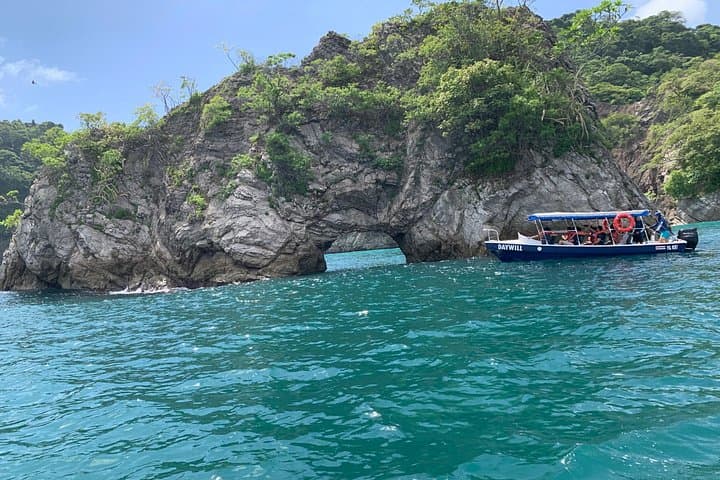
The motor hums as the pier recedes and the Gulf of Nicoya opens before you; salt air cuts sharp, and mangrove channels give way to wide blue where Tortuga Island’s white sand waits. The boat pushes through a corridor of palms and mudflats, dolphins sometimes peeling off the bow, the sea daring you to shrug off the city and step into a simpler rhythm.
Verified experiences and guided adventures in the surrounding area.
Operated by Kavelas Tours · Puntarenas, Puntarenas
The motor hums as the pier recedes and the Gulf of Nicoya opens before you; salt air cuts sharp, and mangrove channels give way to wide blue where Tortuga Island’s white sand waits. The boat pushes through a corridor of palms and mudflats, dolphins sometimes peeling off the bow, the sea daring you to shrug off the city and step into a simpler rhythm.
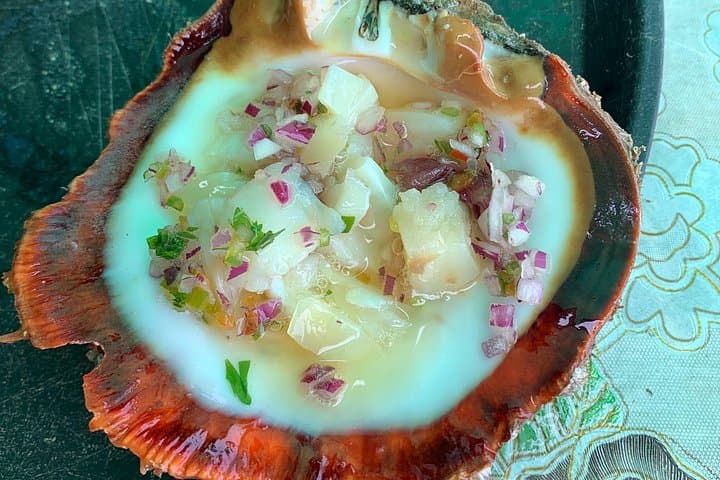
Geologically, Isla Tortuga is part of the shallow islands dotting the Gulf, formed by marine terraces and sedimentation from rivers draining the central valley. Historically the islands were stopovers for coastal trade and today support a small tourism economy centered on day trips from Puntarenas and San José. Cultural notes: ceviche rules the beach lunch scene here—fresh-caught fish, citrus, and local spices served with tropical fruit and cold tea or beer.
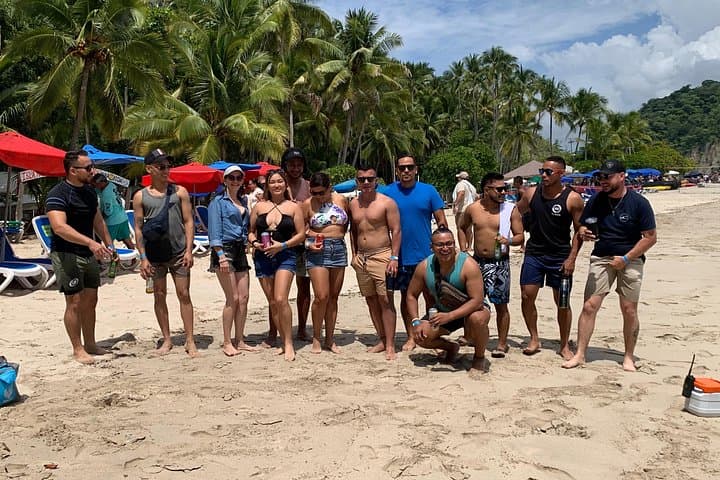
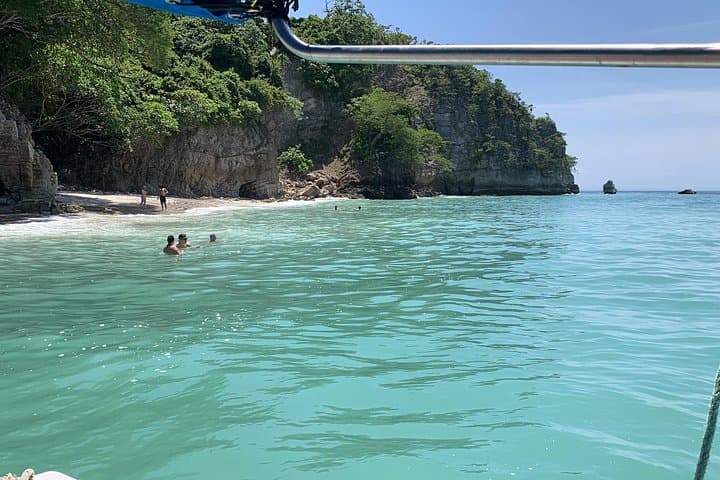
On arrival expect a family-friendly program: lounge chairs and umbrellas, basic facilities (showers, dressing rooms, toilets), a short trail to a compact viewpoint, and guided snorkeling with provided masks, fins and life jackets. The itinerary usually runs 4–6 hours including transfers; seas can be calm or choppy depending on season. Practical edge: wear reef-safe sunscreen, bring a light wind layer for the return, and time your trip for morning departures when water visibility and winds are typically better. If you have spinal or serious heart issues note the operator advises against participation. Tip: charge your phone and pack a waterproof bag — the island rewards curiosity, and the viewpoint repays the short climb with sweeping Gulf views that make the crossing worth every nautical mile.
Most outings are 4–6 hours door‑to‑door and include round‑trip transfer, boat ride, lunch (ceviche and fruit), drinks, beach chairs, and basic snorkeling gear.
Yes — life jackets are provided; non‑swimmers can snorkel in shallow areas or swim with a guide but should stay within marked zones.
Yes — the tour is family-friendly with chairs, shade and facilities; infants must sit on an adult’s lap during transfers.
The operator cancels for bad weather or insufficient travelers with full refunds if canceled at least 24 hours in advance, per their policy.
Kavelas Tours operates guided outdoor trips and adventures with an emphasis on safety, stewardship, and memorable experiences.
The motor hums as the pier recedes and the Gulf of Nicoya opens before you; salt air cuts sharp, and mangrove channels give way to wide blue where Tortuga Island’s white sand waits. The boat pushes through a corridor of palms and mudflats, dolphins sometimes peeling off the bow, the sea daring you to shrug off the city and step into a simpler rhythm.
The motor hums as the pier recedes and the Gulf of Nicoya opens before you; salt air cuts sharp, and mangrove channels give way to wide blue where Tortuga Island’s white sand waits. The boat pushes through a corridor of palms and mudflats, dolphins sometimes peeling off the bow, the sea daring you to shrug off the city and step into a simpler rhythm.
Geologically, Isla Tortuga is part of the shallow islands dotting the Gulf, formed by marine terraces and sedimentation from rivers draining the central valley. Historically the islands were stopovers for coastal trade and today support a small tourism economy centered on day trips from Puntarenas and San José. Cultural notes: ceviche rules the beach lunch scene here—fresh-caught fish, citrus, and local spices served with tropical fruit and cold tea or beer.
On arrival expect a family-friendly program: lounge chairs and umbrellas, basic facilities (showers, dressing rooms, toilets), a short trail to a compact viewpoint, and guided snorkeling with provided masks, fins and life jackets. The itinerary usually runs 4–6 hours including transfers; seas can be calm or choppy depending on season. Practical edge: wear reef-safe sunscreen, bring a light wind layer for the return, and time your trip for morning departures when water visibility and winds are typically better. If you have spinal or serious heart issues note the operator advises against participation. Tip: charge your phone and pack a waterproof bag — the island rewards curiosity, and the viewpoint repays the short climb with sweeping Gulf views that make the crossing worth every nautical mile.