THE ADVENTURE COLLECTIVE® · Independent discovery and booking for outdoor travel

Step off the Los Almendros pier and into the rainforest after dusk on a guided night walk through Tortuguero. Expect frogs, snakes, sleeping birds and small mammals as knowledgeable guides use lantern light and local know-how to reveal nocturnal life.
Step off the Los Almendros pier and into the rainforest after dusk on a guided night walk through Tortuguero. Expect frogs, snakes, sleeping birds and small mammals as knowledgeable guides use lantern light and local know-how to reveal nocturnal life.
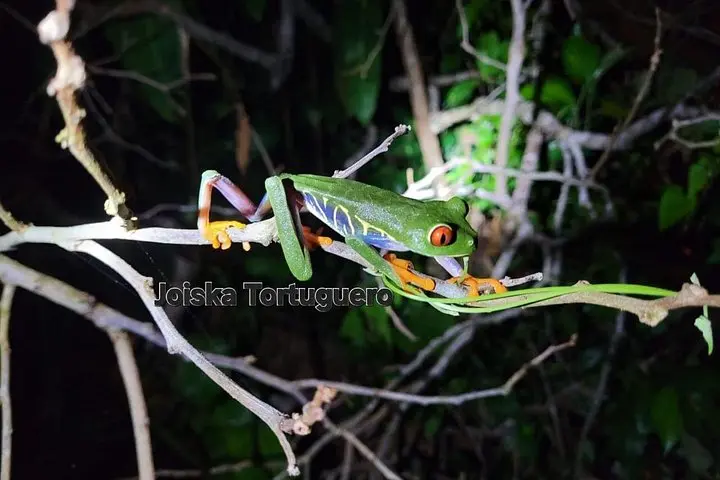
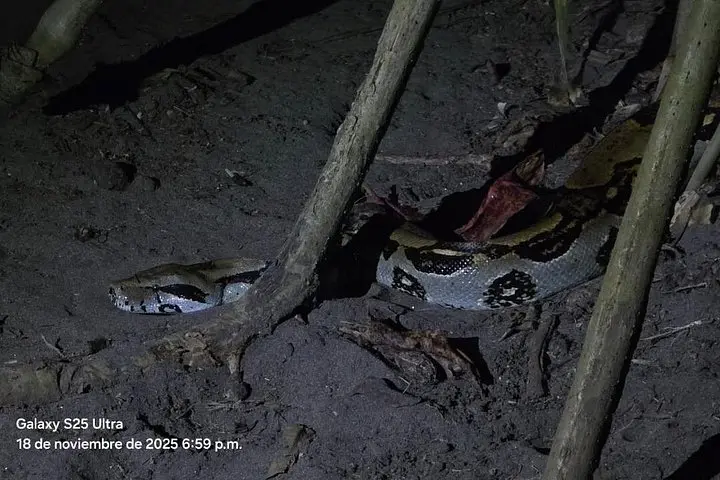
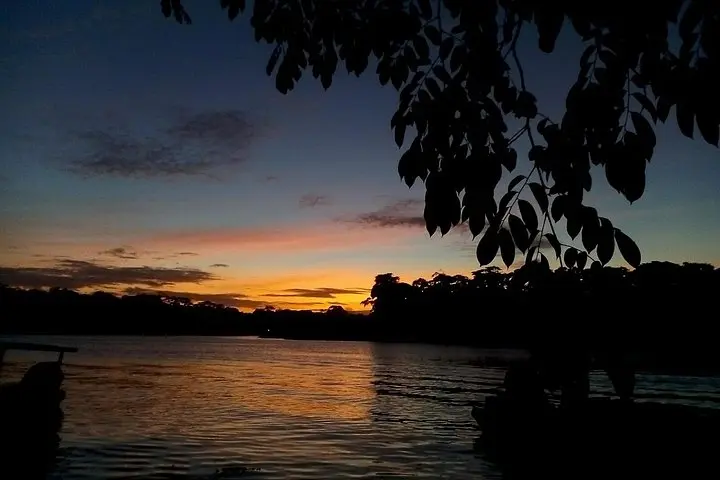
The trip begins at Los Almendros pier just as the last wash of Caribbean light slips behind the canals. Lanterns click on, the guide briefs the group beside rusted pieces of old machinery that mark the village’s past, then leads into a narrow trail where the rainforest rearranges itself for the night. Eyes adjust; frogs call like tiny alarms, a snake slips through leaf litter, and the hush is punctuated by small mammals moving in the understory.
Verified experiences and guided adventures in the surrounding area.
Operated by Joiska Tortuguero · Tortuguero, Limón
The trip begins at Los Almendros pier just as the last wash of Caribbean light slips behind the canals. Lanterns click on, the guide briefs the group beside rusted pieces of old machinery that mark the village’s past, then leads into a narrow trail where the rainforest rearranges itself for the night. Eyes adjust; frogs call like tiny alarms, a snake slips through leaf litter, and the hush is punctuated by small mammals moving in the understory.
Tortuguero’s history is maritime and conservation-driven: once an isolated fishing and boatbuilding community, it became linked to sea-turtle protection and national-park status. Geologically the area is low-lying alluvial plain—mangroves, lagoons, and braided canals shaped by Caribbean tides and seasonal floods. Culturally the village reflects Afro-Caribbean and local Costa Rican traditions; English and Spanish are commonly heard in town.
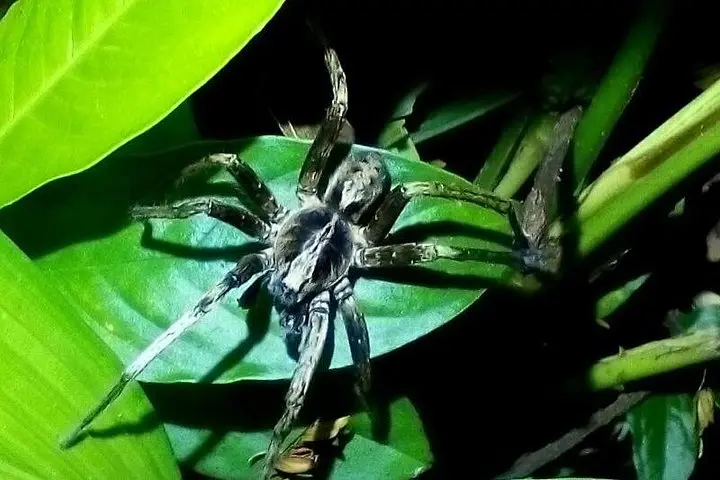
On a night walk the primary draw is wildlife: tree frogs, insects that flare under torchlight, sleeping birds plumaged for camouflage, and occasional nocturnal mammals. Guides use trained eyes and soft light to spot species without disturbing them—the experience is observational rather than hands-on.
Practical notes: wear closed-toe shoes and long sleeves for thorny plants and mosquitoes, bring a reliable headlamp (red-filter preferred), and follow the guide’s instruction on lights and noise. The trail is short but uneven; expect 2–2.5 hours of slow walking with frequent stops for viewing. Respect habitats—no flash photography, no touching—and plan for humidity and sudden rain.
The tour lasts about 2 hours 20 minutes (140 minutes) and begins at Los Almendros pier in the center of Tortuguero near El Muellecito restaurant.
Yes—organizers list the activity as suitable for all fitness levels, but those with serious heart conditions should avoid it; contact the operator if you have health concerns.
Common sightings include tree frogs, various insects, sleeping birds, snakes, and occasionally nocturnal mammals like kinkajous or opossums—sightings depend on season and luck.
Guides ask you to avoid flash photography to prevent disturbing animals; use dim lights and observe quietly for the best viewing opportunities.
Joiska Tortuguero operates guided outdoor trips and adventures with an emphasis on safety, stewardship, and memorable experiences.
The trip begins at Los Almendros pier just as the last wash of Caribbean light slips behind the canals. Lanterns click on, the guide briefs the group beside rusted pieces of old machinery that mark the village’s past, then leads into a narrow trail where the rainforest rearranges itself for the night. Eyes adjust; frogs call like tiny alarms, a snake slips through leaf litter, and the hush is punctuated by small mammals moving in the understory.
The trip begins at Los Almendros pier just as the last wash of Caribbean light slips behind the canals. Lanterns click on, the guide briefs the group beside rusted pieces of old machinery that mark the village’s past, then leads into a narrow trail where the rainforest rearranges itself for the night. Eyes adjust; frogs call like tiny alarms, a snake slips through leaf litter, and the hush is punctuated by small mammals moving in the understory.
Tortuguero’s history is maritime and conservation-driven: once an isolated fishing and boatbuilding community, it became linked to sea-turtle protection and national-park status. Geologically the area is low-lying alluvial plain—mangroves, lagoons, and braided canals shaped by Caribbean tides and seasonal floods. Culturally the village reflects Afro-Caribbean and local Costa Rican traditions; English and Spanish are commonly heard in town.
On a night walk the primary draw is wildlife: tree frogs, insects that flare under torchlight, sleeping birds plumaged for camouflage, and occasional nocturnal mammals. Guides use trained eyes and soft light to spot species without disturbing them—the experience is observational rather than hands-on.
Practical notes: wear closed-toe shoes and long sleeves for thorny plants and mosquitoes, bring a reliable headlamp (red-filter preferred), and follow the guide’s instruction on lights and noise. The trail is short but uneven; expect 2–2.5 hours of slow walking with frequent stops for viewing. Respect habitats—no flash photography, no touching—and plan for humidity and sudden rain.