THE ADVENTURE COLLECTIVE® · Independent discovery and booking for outdoor travel

Glide pre-dawn through Tortuguero’s narrow canals and return at night for a guided walk—or, in season, a turtle-watch—where careful silence and low lights reveal nesting sea turtles and nocturnal wildlife.
Glide pre-dawn through Tortuguero’s narrow canals and return at night for a guided walk—or, in season, a turtle-watch—where careful silence and low lights reveal nesting sea turtles and nocturnal wildlife.
A low, green ceiling of mangroves passes overhead as the canoe slips forward, water whispering against the hull. In the cool hour after dawn the canals of Tortuguero feel alive—herons pivot like sentries and howler monkeys punctuate the treeline—then evening narrows the world to the beam of a torch and the hush of sand meeting sea.
Verified experiences and guided adventures in the surrounding area.
Operated by Tortuguero EcoExperiences · Tortuguero, Limón
A low, green ceiling of mangroves passes overhead as the canoe slips forward, water whispering against the hull. In the cool hour after dawn the canals of Tortuguero feel alive—herons pivot like sentries and howler monkeys punctuate the treeline—then evening narrows the world to the beam of a torch and the hush of sand meeting sea.
Tortuguero National Park was created to protect nesting sea turtles and the fragile coastal wetlands carved by river mouths and shifting sandbars. The area’s geology is recent—flat alluvial plains, braided rivers, and narrow lagoons that have built a unique wetland ecosystem relied on by local Afro-Caribbean communities for generations.
This combined experience pairs a 5:45 a.m. canoe tour through park canals with an evening night walk, or during turtle season (typically July–October) a scheduled 8 p.m. or 10 p.m. turtle walk. Tours run in small groups (up to 10), and operators usually provide life jackets, cushions, binoculars and ponchos.
Practical guidance: arrive dry and early at the meeting point in Tortuguero village (Aracari Garden Hostel area), bring insect repellent and a headlamp with a red filter, and wear quick-dry shoes that can get wet. On turtle nights follow guides’ strict no-flash and distance rules; silence and patience increase your chance to watch nesting females and hatchlings.
Expect easy physical demand but long periods of sitting and low light. Weather changes fast—carry a waterproof layer—and keep cameras set for low-light conditions. Respect nesting areas and local guidelines: the best wildlife encounters come from restraint and attention.
No—guided canoe tours are piloted by experienced local guides; passengers primarily sit and observe.
Turtle season on many Tortuguero tours runs roughly July–October; sightings are never guaranteed and follow strict park regulations.
Yes—operators rate this as suitable for all fitness levels, but small children should be supervised and wear life jackets.
Tours may be canceled for heavy weather; operators typically offer a refund or reschedule and require 24‑hour cancellation for full refund.
Tortuguero EcoExperiences operates guided outdoor trips and adventures with an emphasis on safety, stewardship, and memorable experiences.


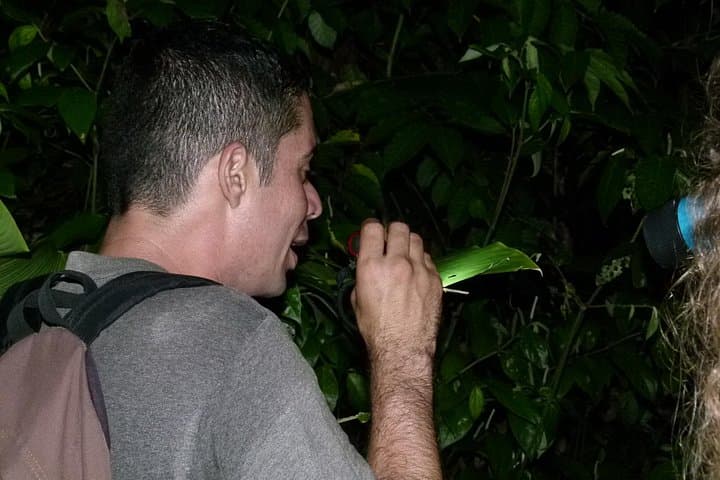
A low, green ceiling of mangroves passes overhead as the canoe slips forward, water whispering against the hull. In the cool hour after dawn the canals of Tortuguero feel alive—herons pivot like sentries and howler monkeys punctuate the treeline—then evening narrows the world to the beam of a torch and the hush of sand meeting sea.
A low, green ceiling of mangroves passes overhead as the canoe slips forward, water whispering against the hull. In the cool hour after dawn the canals of Tortuguero feel alive—herons pivot like sentries and howler monkeys punctuate the treeline—then evening narrows the world to the beam of a torch and the hush of sand meeting sea.
Tortuguero National Park was created to protect nesting sea turtles and the fragile coastal wetlands carved by river mouths and shifting sandbars. The area’s geology is recent—flat alluvial plains, braided rivers, and narrow lagoons that have built a unique wetland ecosystem relied on by local Afro-Caribbean communities for generations.
This combined experience pairs a 5:45 a.m. canoe tour through park canals with an evening night walk, or during turtle season (typically July–October) a scheduled 8 p.m. or 10 p.m. turtle walk. Tours run in small groups (up to 10), and operators usually provide life jackets, cushions, binoculars and ponchos.
Practical guidance: arrive dry and early at the meeting point in Tortuguero village (Aracari Garden Hostel area), bring insect repellent and a headlamp with a red filter, and wear quick-dry shoes that can get wet. On turtle nights follow guides’ strict no-flash and distance rules; silence and patience increase your chance to watch nesting females and hatchlings.
Expect easy physical demand but long periods of sitting and low light. Weather changes fast—carry a waterproof layer—and keep cameras set for low-light conditions. Respect nesting areas and local guidelines: the best wildlife encounters come from restraint and attention.