THE ADVENTURE COLLECTIVE® · Independent discovery and booking for outdoor travel

Join a guided night walk from Tortuguero’s main pier to find frogs, spiders, sloths and other nocturnal wildlife. This two-hour tour focuses on close-up encounters on easy forest trails after sunset.
Join a guided night walk from Tortuguero’s main pier to find frogs, spiders, sloths and other nocturnal wildlife. This two-hour tour focuses on close-up encounters on easy forest trails after sunset.
A humid, mosquito-laced breeze carries the river’s soft slap against pilings as your small group steps off the main pier and into the dark green throat of Tortuguero.
Verified experiences and guided adventures in the surrounding area.
Operated by Tortuguero's Brandon experience · Tortuguero, Limón Province
A humid, mosquito-laced breeze carries the river’s soft slap against pilings as your small group steps off the main pier and into the dark green throat of Tortuguero.
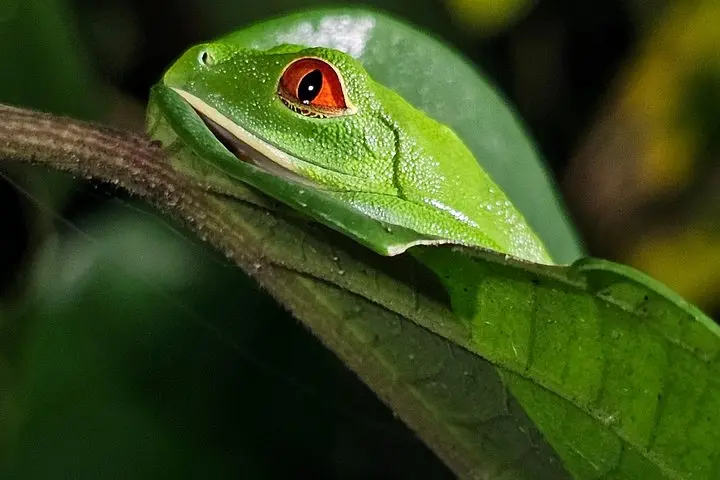
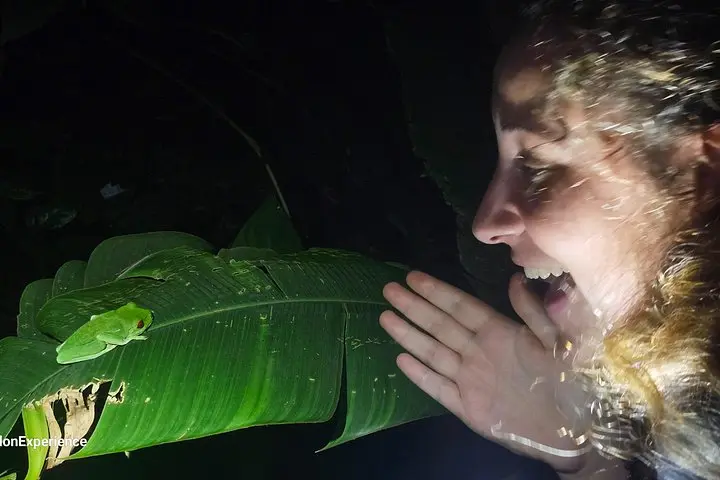
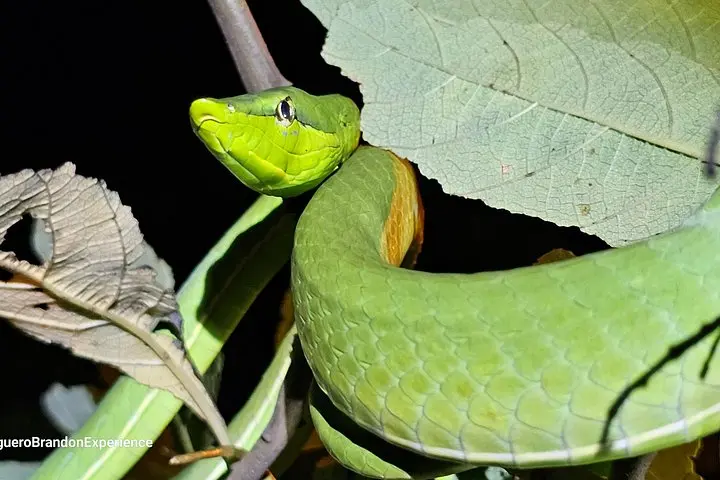
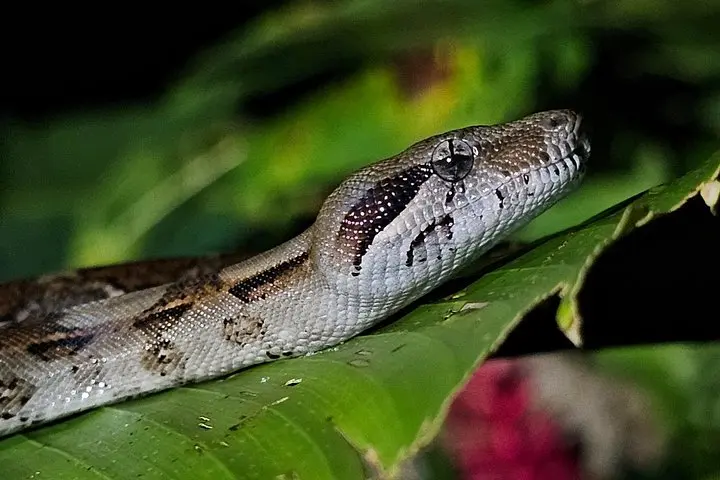
Guides sweep ahead with headlamps, their beams picking out pairs of reflective eyes and the bright flash of a frog’s skin. The trail is narrow, often muddy, crossing root mats and boardwalks that skim marshy channels. Night in Tortuguero is when the forest loosens its secrets: frogs call like distant bells, tree frogs perch with neon faces, spiders unroll webs like fine lace, and sloths sometimes hang motionless above the path. The canal system carved through lowland Caribbean rainforest has shaped local life for centuries — communities adapted to water travel while the park protects endangered sea turtles along the coast.
Geologically the area is low-lying alluvium fed by coastal rivers; the flat terrain means easy walking but abundant standing water that sustains amphibians and insects.
Practical guidance: tours run about two hours after sunset; bring a charged headlamp or flashlight (guides often supply one) and high-quality insect repellent. Wear waterproof shoes with good grip and a lightweight rain jacket — tropical showers can start without warning. Keep voices low and flashlights directed down; sudden bright beams disturb wildlife and other walkers. Photography with flash usually spooks animals and should be avoided unless your guide approves.
This night walk is ideal for travelers who want close wildlife encounters in a compact, accessible format — expect focused, guided searching rather than long-distance trekking.
The tour lasts about two hours, typically beginning after local sunset; exact start time depends on the season.
Children are usually allowed but operators may ask for age details when booking; the walk is easy but requires quiet behavior.
Tortuguero is rich in wildlife; while frogs, insects and nocturnal birds are common, sightings of larger animals like caimans are occasional and depend on location and luck.
Pickup policies vary; confirm your pickup point at booking — many operators meet at the main pier in Tortuguero Village.
Tortuguero's Brandon experience operates guided outdoor trips and adventures with an emphasis on safety, stewardship, and memorable experiences.
A humid, mosquito-laced breeze carries the river’s soft slap against pilings as your small group steps off the main pier and into the dark green throat of Tortuguero.
A humid, mosquito-laced breeze carries the river’s soft slap against pilings as your small group steps off the main pier and into the dark green throat of Tortuguero.
Guides sweep ahead with headlamps, their beams picking out pairs of reflective eyes and the bright flash of a frog’s skin. The trail is narrow, often muddy, crossing root mats and boardwalks that skim marshy channels. Night in Tortuguero is when the forest loosens its secrets: frogs call like distant bells, tree frogs perch with neon faces, spiders unroll webs like fine lace, and sloths sometimes hang motionless above the path. The canal system carved through lowland Caribbean rainforest has shaped local life for centuries — communities adapted to water travel while the park protects endangered sea turtles along the coast.
Geologically the area is low-lying alluvium fed by coastal rivers; the flat terrain means easy walking but abundant standing water that sustains amphibians and insects.
Practical guidance: tours run about two hours after sunset; bring a charged headlamp or flashlight (guides often supply one) and high-quality insect repellent. Wear waterproof shoes with good grip and a lightweight rain jacket — tropical showers can start without warning. Keep voices low and flashlights directed down; sudden bright beams disturb wildlife and other walkers. Photography with flash usually spooks animals and should be avoided unless your guide approves.
This night walk is ideal for travelers who want close wildlife encounters in a compact, accessible format — expect focused, guided searching rather than long-distance trekking.