THE ADVENTURE COLLECTIVE® · Independent discovery and booking for outdoor travel

Walk Tortuguero after dark with an expert guide and discover frogs, crabs, caimans and—depending on season—turtle activity along canal and beach trails. This small-group, 2.5-hour hike balances close wildlife viewing with responsible practices.
Walk Tortuguero after dark with an expert guide and discover frogs, crabs, caimans and—depending on season—turtle activity along canal and beach trails. This small-group, 2.5-hour hike balances close wildlife viewing with responsible practices.
The humid air tightens as the sun dips behind the mangrove ridges and the trail takes on a new light—headlamps carve narrow cones through towering heliconias and the chorus of the forest switches to a night shift. On this guided night walk in Tortuguero, the jungle feels alert: tree frogs calling from leaf axils, crabs skittering across the path, and the distant splash of a canal as caimans slide into shadow.
Verified experiences and guided adventures in the surrounding area.
Operated by PabloToursTortuguero · Tortuguero, Limón
The humid air tightens as the sun dips behind the mangrove ridges and the trail takes on a new light—headlamps carve narrow cones through towering heliconias and the chorus of the forest switches to a night shift. On this guided night walk in Tortuguero, the jungle feels alert: tree frogs calling from leaf axils, crabs skittering across the path, and the distant splash of a canal as caimans slide into shadow.
Tortuguero sits on Costa Rica’s northern Caribbean coast, a low-lying mosaic of canals and beaches formed by river sediment and coastal currents. The area’s history is tied to sea turtles and Afro-Caribbean communities that settled the waterways; Tortuguero National Park, established to protect nesting grounds and wetlands, shapes how tours operate today.
Culturally, guides here blend natural history with local knowledge—pointing out nocturnal behavior shaped by tides and moon phases. Geologically the land is soft and flat; trails wind through swampy rainforest and along canal edges rather than steep ridgelines, so the terrain is gradual but uneven.
Practicalities: the experience starts around 6:00 p.m., runs roughly 2.5 hours with small groups (up to ten), and is led by certified guides who supply flashlights—though using full flash is discouraged. Expect humidity, mud, and close-up wildlife viewing at low light; bring a headlamp with a red filter, insect repellent, and lightweight rain protection. Respect distance rules: many species are more vulnerable at night. With basic preparation, this night hike is one of the clearest ways to encounter Tortuguero’s after-dark ecology while minimizing impact.
Tours typically start at 6:00 p.m. and last about 2.5 hours (150 minutes).
Yes—trail difficulty is low and the pace is moderate; participants should be able to walk for 2–3 hours. Check the operator’s age or mobility policies when booking.
No—avoid flash and keep distance. Guides enforce responsible viewing to minimize stress on nocturnal wildlife and protect nesting animals.
PabloToursTortuguero operates guided outdoor trips and adventures with an emphasis on safety, stewardship, and memorable experiences.
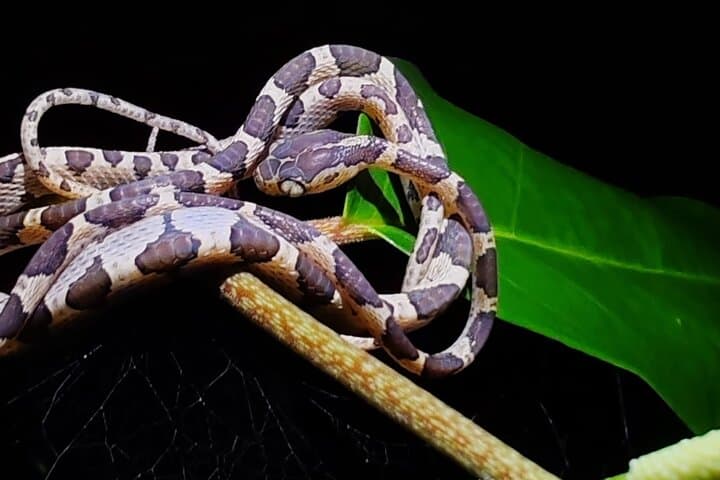


The humid air tightens as the sun dips behind the mangrove ridges and the trail takes on a new light—headlamps carve narrow cones through towering heliconias and the chorus of the forest switches to a night shift. On this guided night walk in Tortuguero, the jungle feels alert: tree frogs calling from leaf axils, crabs skittering across the path, and the distant splash of a canal as caimans slide into shadow.
The humid air tightens as the sun dips behind the mangrove ridges and the trail takes on a new light—headlamps carve narrow cones through towering heliconias and the chorus of the forest switches to a night shift. On this guided night walk in Tortuguero, the jungle feels alert: tree frogs calling from leaf axils, crabs skittering across the path, and the distant splash of a canal as caimans slide into shadow.
Tortuguero sits on Costa Rica’s northern Caribbean coast, a low-lying mosaic of canals and beaches formed by river sediment and coastal currents. The area’s history is tied to sea turtles and Afro-Caribbean communities that settled the waterways; Tortuguero National Park, established to protect nesting grounds and wetlands, shapes how tours operate today.
Culturally, guides here blend natural history with local knowledge—pointing out nocturnal behavior shaped by tides and moon phases. Geologically the land is soft and flat; trails wind through swampy rainforest and along canal edges rather than steep ridgelines, so the terrain is gradual but uneven.
Practicalities: the experience starts around 6:00 p.m., runs roughly 2.5 hours with small groups (up to ten), and is led by certified guides who supply flashlights—though using full flash is discouraged. Expect humidity, mud, and close-up wildlife viewing at low light; bring a headlamp with a red filter, insect repellent, and lightweight rain protection. Respect distance rules: many species are more vulnerable at night. With basic preparation, this night hike is one of the clearest ways to encounter Tortuguero’s after-dark ecology while minimizing impact.