THE ADVENTURE COLLECTIVE® · Independent discovery and booking for outdoor travel

Join a certified Tortuguero guide for a respectful, low-light beach walk to observe green turtles as they nest. Learn local conservation practices and what to expect on a two‑hour night tour.
Join a certified Tortuguero guide for a respectful, low-light beach walk to observe green turtles as they nest. Learn local conservation practices and what to expect on a two‑hour night tour.
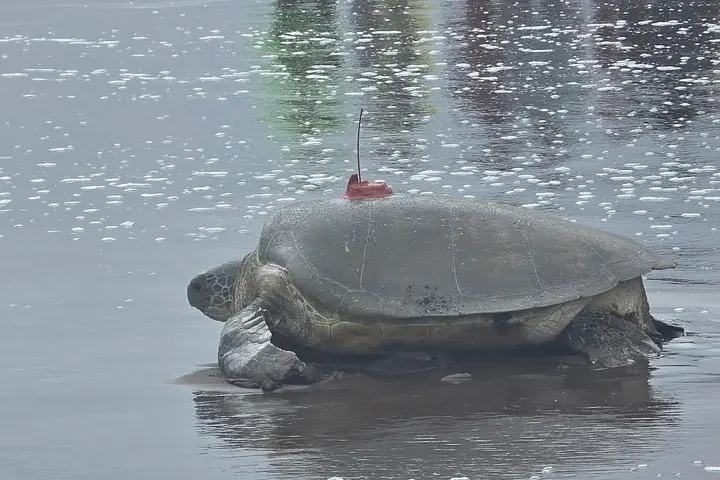
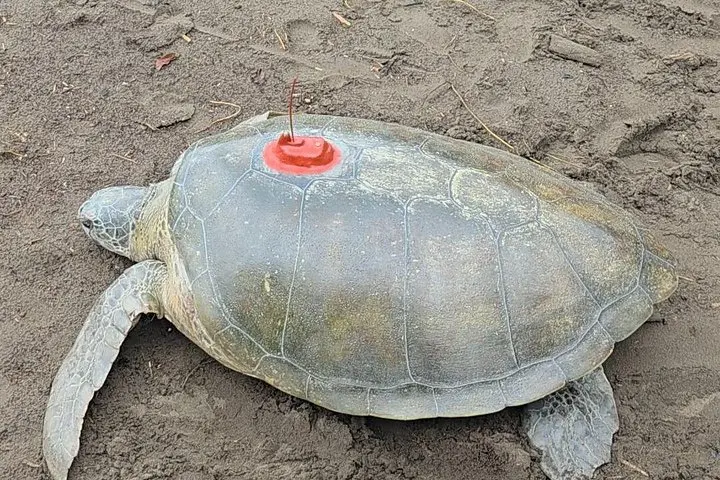
Night gathers over the low dunes and mangrove mouths of Tortuguero, and the Caribbean surf spends itself in steady, rhythmic crashes. Walks here move slow and quiet; the sand takes footprints and the moonlight throws a neutral, patient glare. On a guided turtle-nesting tour you’re not watching nature for spectacle but learning to share the beach while a green turtle performs the long, ancient work of nesting.
Verified experiences and guided adventures in the surrounding area.
Operated by Tortuguero's Brandon experience · Tortuguero, Limón
Night gathers over the low dunes and mangrove mouths of Tortuguero, and the Caribbean surf spends itself in steady, rhythmic crashes. Walks here move slow and quiet; the sand takes footprints and the moonlight throws a neutral, patient glare. On a guided turtle-nesting tour you’re not watching nature for spectacle but learning to share the beach while a green turtle performs the long, ancient work of nesting.
Tortuguero National Park on Costa Rica’s northeastern coast has been a focal point for sea turtle conservation since the 1970s. The park’s beaches and offshore currents are shaped by coastal sedimentation and Caribbean swell, creating broad nesting beaches that green turtles favor. Local communities and rangers have built a culture of nocturnal stewardship—certified guides regulate approaches, light, and noise to minimize disturbance.
Expect a two-hour outing led by a certified guide (required by park rules). You’ll approach in small groups, use low light or red-filtered lanterns, and remain several meters back while the turtle digs, lays, and covers her clutch. Guides explain nesting behavior, egg relocation practices when necessary, and how the park monitors hatching success.
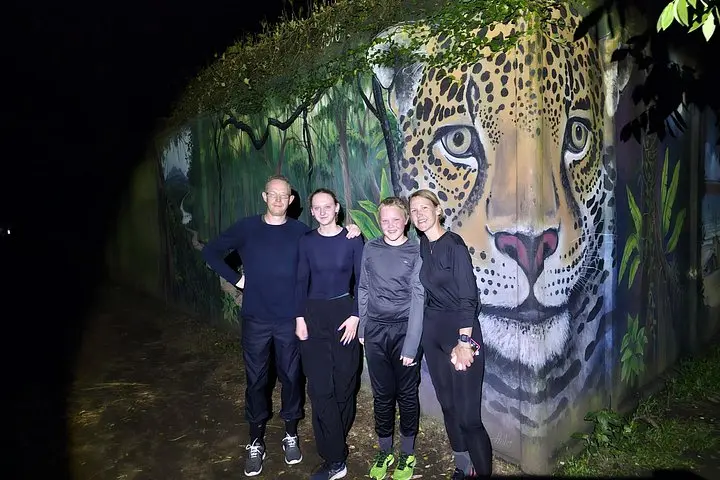
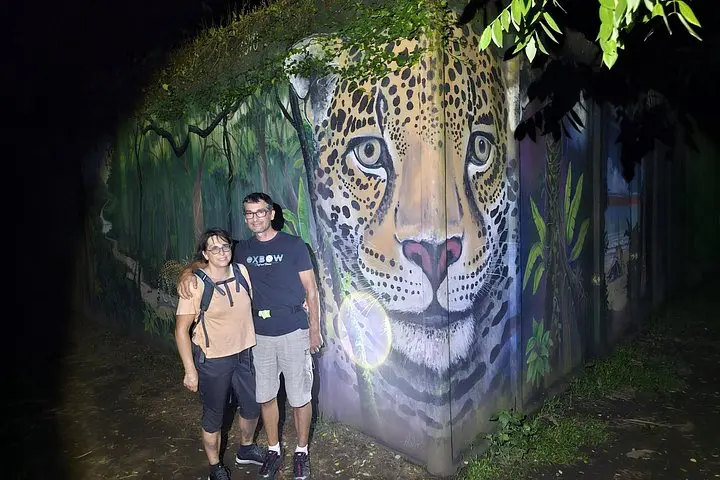
Practical pointers: dress quietly in dark, non-reflective clothing and wear closed-toe shoes for walking on cool, damp sand; bring insect repellent and a small headlamp (red filter). Photography is usually allowed but without flash and at the guide’s discretion. Tours run nightly during nesting season and can be weather-dependent—book with a certified Tortuguero guide and respect all park guidelines to keep the experience ethical and viable for future seasons.
Yes—Tortuguero National Park requires certified guides for turtle-nesting visits; the tour includes an accredited guide.
Photography is usually permitted without flash and under the guide’s direction; flash or close approaches are prohibited to avoid disturbing turtles.
The tour is suitable for most children, but infants must sit on an adult’s lap and everyone must remain quiet and follow guide instructions.
Tours may proceed in light rain but are subject to cancellation for unsafe conditions; cancellation/refund policies vary—check terms when booking.
Tortuguero's Brandon experience operates guided outdoor trips and adventures with an emphasis on safety, stewardship, and memorable experiences.
Night gathers over the low dunes and mangrove mouths of Tortuguero, and the Caribbean surf spends itself in steady, rhythmic crashes. Walks here move slow and quiet; the sand takes footprints and the moonlight throws a neutral, patient glare. On a guided turtle-nesting tour you’re not watching nature for spectacle but learning to share the beach while a green turtle performs the long, ancient work of nesting.
Night gathers over the low dunes and mangrove mouths of Tortuguero, and the Caribbean surf spends itself in steady, rhythmic crashes. Walks here move slow and quiet; the sand takes footprints and the moonlight throws a neutral, patient glare. On a guided turtle-nesting tour you’re not watching nature for spectacle but learning to share the beach while a green turtle performs the long, ancient work of nesting.
Tortuguero National Park on Costa Rica’s northeastern coast has been a focal point for sea turtle conservation since the 1970s. The park’s beaches and offshore currents are shaped by coastal sedimentation and Caribbean swell, creating broad nesting beaches that green turtles favor. Local communities and rangers have built a culture of nocturnal stewardship—certified guides regulate approaches, light, and noise to minimize disturbance.
Expect a two-hour outing led by a certified guide (required by park rules). You’ll approach in small groups, use low light or red-filtered lanterns, and remain several meters back while the turtle digs, lays, and covers her clutch. Guides explain nesting behavior, egg relocation practices when necessary, and how the park monitors hatching success.
Practical pointers: dress quietly in dark, non-reflective clothing and wear closed-toe shoes for walking on cool, damp sand; bring insect repellent and a small headlamp (red filter). Photography is usually allowed but without flash and at the guide’s discretion. Tours run nightly during nesting season and can be weather-dependent—book with a certified Tortuguero guide and respect all park guidelines to keep the experience ethical and viable for future seasons.