THE ADVENTURE COLLECTIVE® · Independent discovery and booking for outdoor travel

Walk Tossa de Mar’s medieval walls and Roman remains with an expert guide. This two-hour small-group tour blends archaeology, coastal geology, and local stories to bring 2,000 years of history to life.
Walk Tossa de Mar’s medieval walls and Roman remains with an expert guide. This two-hour small-group tour blends archaeology, coastal geology, and local stories to bring 2,000 years of history to life.
A salt-cooled breeze pushes through the narrow alleys as your small group threads toward the old town's stone towers. The sea keeps time against the rocks below, daring you to look beyond the battlements while a guide—an art historian and archaeologist—peels back layers of the town's past.
Verified experiences and guided adventures in the surrounding area.
Operated by Tours for Today · Tossa de Mar, Girona
A salt-cooled breeze pushes through the narrow alleys as your small group threads toward the old town's stone towers. The sea keeps time against the rocks below, daring you to look beyond the battlements while a guide—an art historian and archaeologist—peels back layers of the town's past.
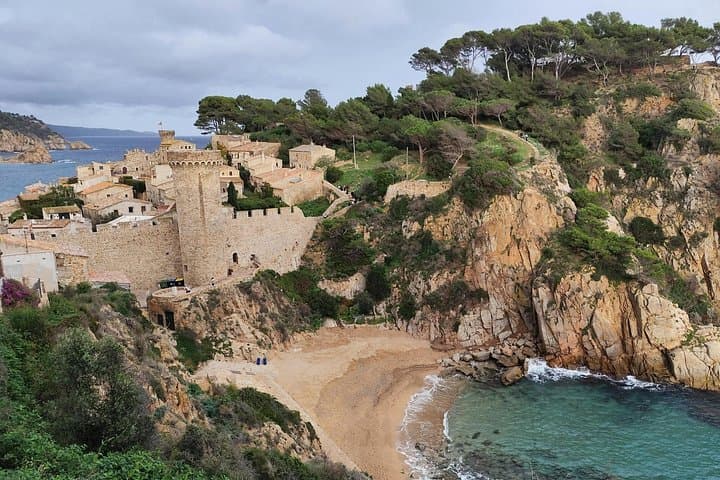
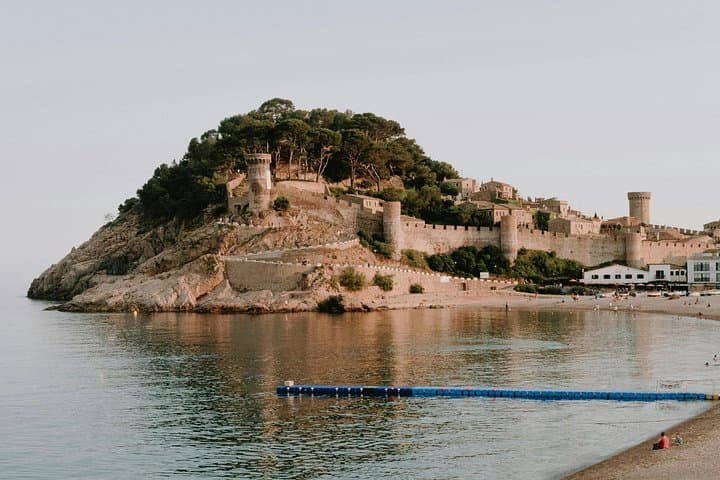
Tossa de Mar began as a Roman settlement and later fortified itself during medieval coastal raids; the medieval walls you walk along still frame wide views of the Mediterranean. Geologically, the coast here is a hard, weathered edge of Catalonia where granite and schist meet the sea, creating coves and promontories that shaped fishing and settlement patterns. Sa Roqueta's white houses reflect a living fishing culture, while the Roman Villa of Ametllers offers a quieter counterpoint: mosaics and thermal-bath remnants that point to domestic life two millennia ago.
Expect a blend of architecture and anecdote—neoclassical churches, an 18th-century hospital, and rural Mas Rabassa outside the walls—told with local color and archaeological insight. The guide connects place names to local guilds, saints, and sea routes, giving context to what you see.
Practical matters: the tour is two hours on cobbles and stone steps, so wear sturdy shoes and sun protection; bring water and a light layer for coastal wind. Arrive 10 minutes early to locate the meeting point and leave bulky bags at your accommodation. This is an intimate, low-impact cultural walk that rewards curiosity and steady pace.
The tour runs about two hours and covers roughly 1.5–2 kilometers across cobbled streets, walls, and short inclines.
This walking tour focuses on external viewpoints and guided interpretation; individual site admissions are generally not included but the itinerary notes key exterior stops.
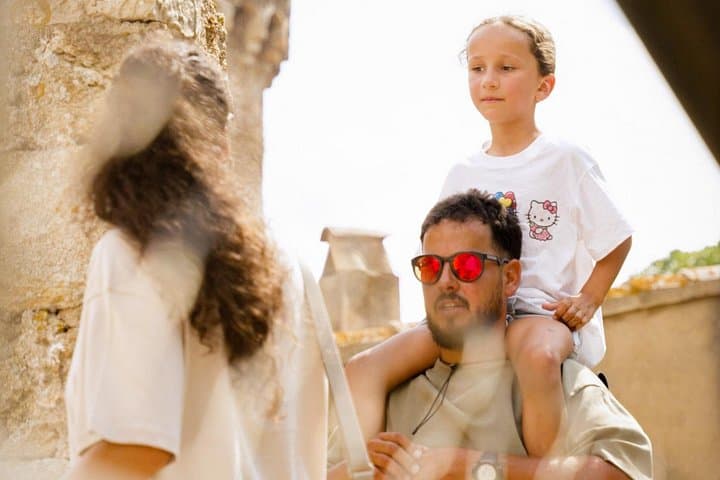
The tour is family-friendly, but the old town has stairs and uneven surfaces; travelers with limited mobility should contact the operator to confirm accessibility options.
Guided commentary is provided by an official Catalonia art historian; check the booking page for language availability or request accommodations in advance.
Tours for Today operates guided outdoor trips and adventures with an emphasis on safety, stewardship, and memorable experiences.
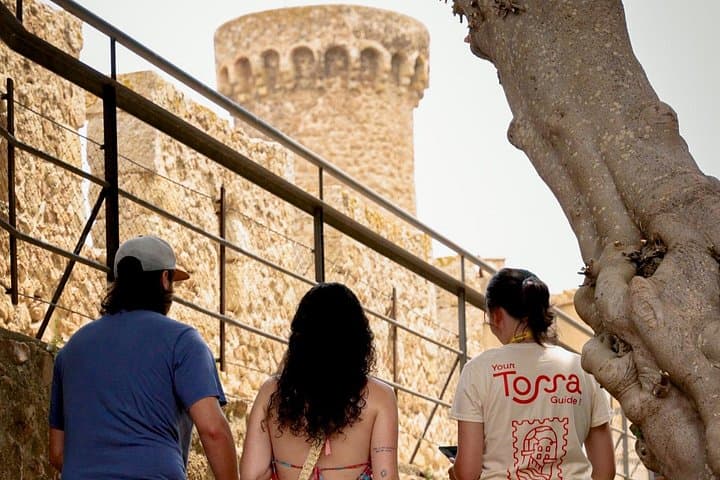
A salt-cooled breeze pushes through the narrow alleys as your small group threads toward the old town's stone towers. The sea keeps time against the rocks below, daring you to look beyond the battlements while a guide—an art historian and archaeologist—peels back layers of the town's past.
A salt-cooled breeze pushes through the narrow alleys as your small group threads toward the old town's stone towers. The sea keeps time against the rocks below, daring you to look beyond the battlements while a guide—an art historian and archaeologist—peels back layers of the town's past.
Tossa de Mar began as a Roman settlement and later fortified itself during medieval coastal raids; the medieval walls you walk along still frame wide views of the Mediterranean. Geologically, the coast here is a hard, weathered edge of Catalonia where granite and schist meet the sea, creating coves and promontories that shaped fishing and settlement patterns. Sa Roqueta's white houses reflect a living fishing culture, while the Roman Villa of Ametllers offers a quieter counterpoint: mosaics and thermal-bath remnants that point to domestic life two millennia ago.
Expect a blend of architecture and anecdote—neoclassical churches, an 18th-century hospital, and rural Mas Rabassa outside the walls—told with local color and archaeological insight. The guide connects place names to local guilds, saints, and sea routes, giving context to what you see.
Practical matters: the tour is two hours on cobbles and stone steps, so wear sturdy shoes and sun protection; bring water and a light layer for coastal wind. Arrive 10 minutes early to locate the meeting point and leave bulky bags at your accommodation. This is an intimate, low-impact cultural walk that rewards curiosity and steady pace.