THE ADVENTURE COLLECTIVE® · Independent discovery and booking for outdoor travel

Turn a walk through Toulouse’s red-brick center into a brain-teasing city game. Start at Place du Capitole, follow puzzles across 4–6 km of historic streets, and expect 2–3 hours of exploration and observation.
Turn a walk through Toulouse’s red-brick center into a brain-teasing city game. Start at Place du Capitole, follow puzzles across 4–6 km of historic streets, and expect 2–3 hours of exploration and observation.
The square opens like a stage: flagpoles, the carved façade of the Capitole, and a current of locals threading cafés. A self-guided game drops you into that scene and hands you a series of puzzles that force you to read the city — façades, plaques, and narrow alleys become clues.
Verified experiences and guided adventures in the surrounding area.
Operated by Défi Toulouse · Toulouse, Occitanie
The square opens like a stage: flagpoles, the carved façade of the Capitole, and a current of locals threading cafés. A self-guided game drops you into that scene and hands you a series of puzzles that force you to read the city — façades, plaques, and narrow alleys become clues.
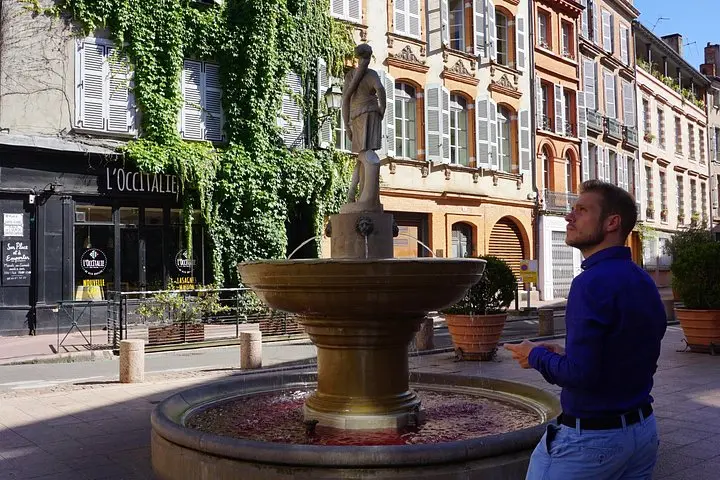
Toulouse’s core dates to Roman times but the city’s distinctive red-brick architecture and 19th-century civic projects shape much of the route. This game begins at Place du Capitole and moves through the historic heart, past arcaded streets, Renaissance mansions and riverfront viewpoints where the Garonne’s breeze nudges the walk along.
Culturally, Toulouse is Occitan-speaking in roots; street names and market life reflect a layered civic identity. Geologically the red bricks come from local clay, giving the center its warm color and compact urban feel.
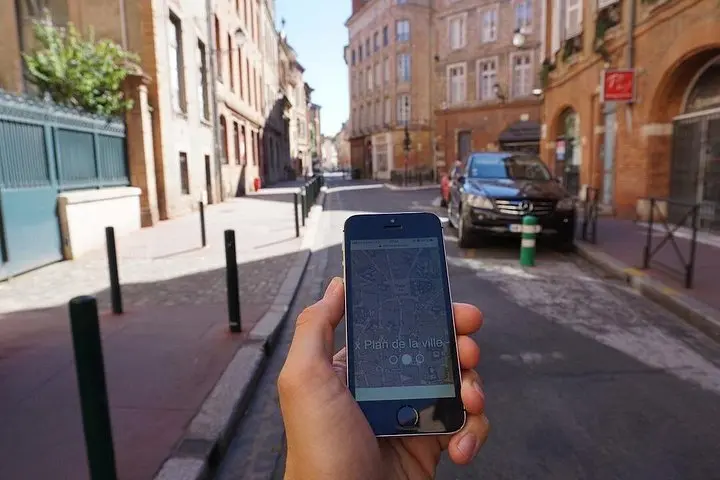
Practically, expect 4–6 km of mostly paved walking, moderate slopes, and frequent stops to read plaques and solve puzzles; plan 2–3 hours. The route is wheelchair- and stroller-accessible in large parts but some narrow passages can be busy. Because the activity is smartphone-driven and available in French only, a charged phone and good mobile signal matter.
Timing matters: mornings are quieter at monuments, late afternoons bring livelier cafés. Wear comfortable shoes, carry a small bottle of water, and allow battery reserve for maps and hints. The experience is less about speed and more about observation — look up, compare details, and let the city’s history steer your answers.
The game covers approximately 4–6 km and is designed to take about 2–3 hours depending on pace and time spent on puzzles.
Most of the city center route is on paved, accessible surfaces and the operator notes wheelchair accessibility, though some narrow streets can be busy.
Yes—this particular game is available in French only; a translation app or a French-speaking teammate is recommended.
The experience is self-guided and can be started at your chosen time after receiving the briefing and access details from the operator.
Défi Toulouse operates guided outdoor trips and adventures with an emphasis on safety, stewardship, and memorable experiences.
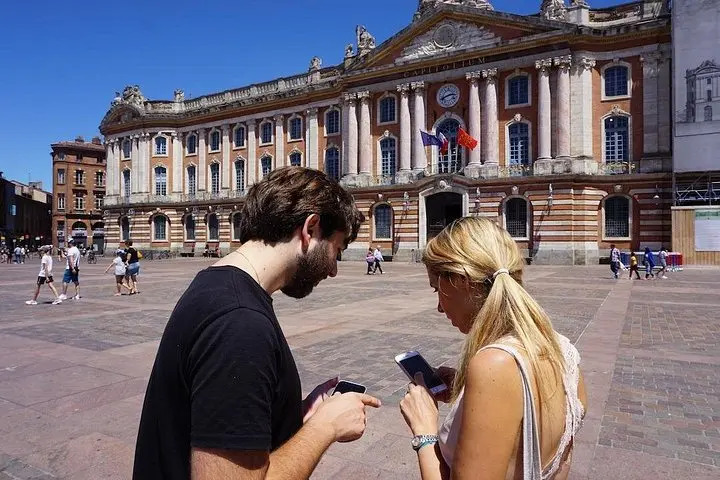
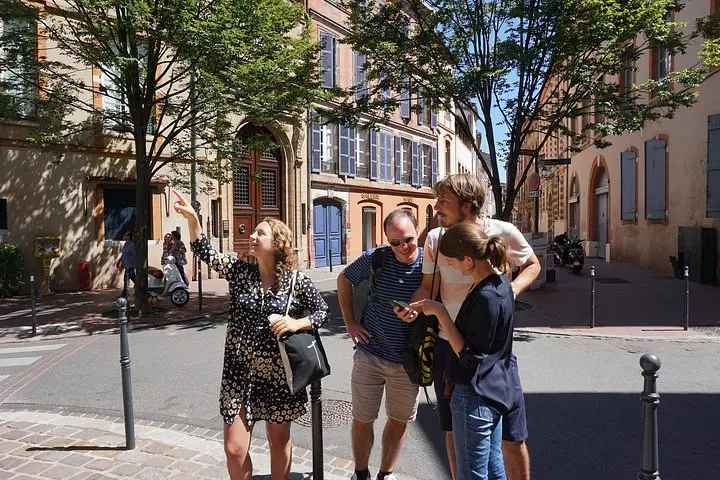
The square opens like a stage: flagpoles, the carved façade of the Capitole, and a current of locals threading cafés. A self-guided game drops you into that scene and hands you a series of puzzles that force you to read the city — façades, plaques, and narrow alleys become clues.
The square opens like a stage: flagpoles, the carved façade of the Capitole, and a current of locals threading cafés. A self-guided game drops you into that scene and hands you a series of puzzles that force you to read the city — façades, plaques, and narrow alleys become clues.
Toulouse’s core dates to Roman times but the city’s distinctive red-brick architecture and 19th-century civic projects shape much of the route. This game begins at Place du Capitole and moves through the historic heart, past arcaded streets, Renaissance mansions and riverfront viewpoints where the Garonne’s breeze nudges the walk along.
Culturally, Toulouse is Occitan-speaking in roots; street names and market life reflect a layered civic identity. Geologically the red bricks come from local clay, giving the center its warm color and compact urban feel.
Practically, expect 4–6 km of mostly paved walking, moderate slopes, and frequent stops to read plaques and solve puzzles; plan 2–3 hours. The route is wheelchair- and stroller-accessible in large parts but some narrow passages can be busy. Because the activity is smartphone-driven and available in French only, a charged phone and good mobile signal matter.
Timing matters: mornings are quieter at monuments, late afternoons bring livelier cafés. Wear comfortable shoes, carry a small bottle of water, and allow battery reserve for maps and hints. The experience is less about speed and more about observation — look up, compare details, and let the city’s history steer your answers.