THE ADVENTURE COLLECTIVE® · Independent discovery and booking for outdoor travel

Spend a day exploring Kathmandu’s largest temple complexes: Pashupatinath, Kathmandu Durbar Square and Patan Durbar Square. This guided tour blends ritual observation, medieval Newar architecture, and practical logistics for a full cultural day in the valley.
Spend a day exploring Kathmandu’s largest temple complexes: Pashupatinath, Kathmandu Durbar Square and Patan Durbar Square. This guided tour blends ritual observation, medieval Newar architecture, and practical logistics for a full cultural day in the valley.
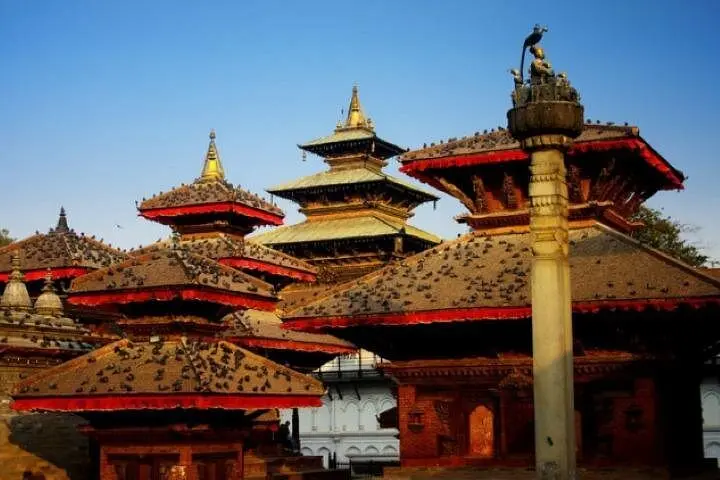
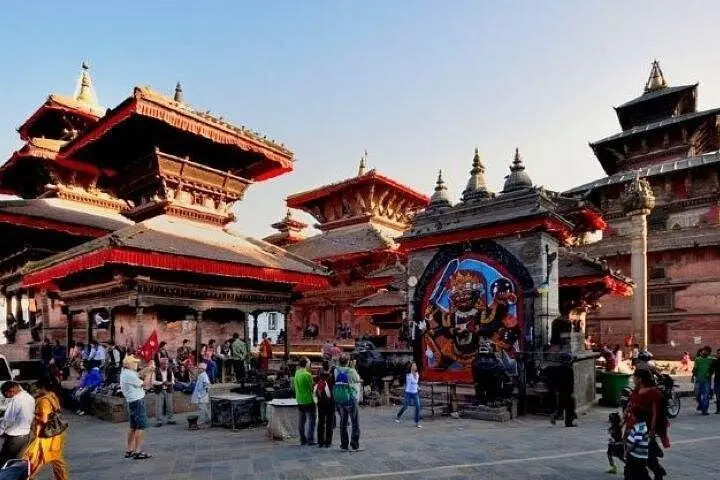
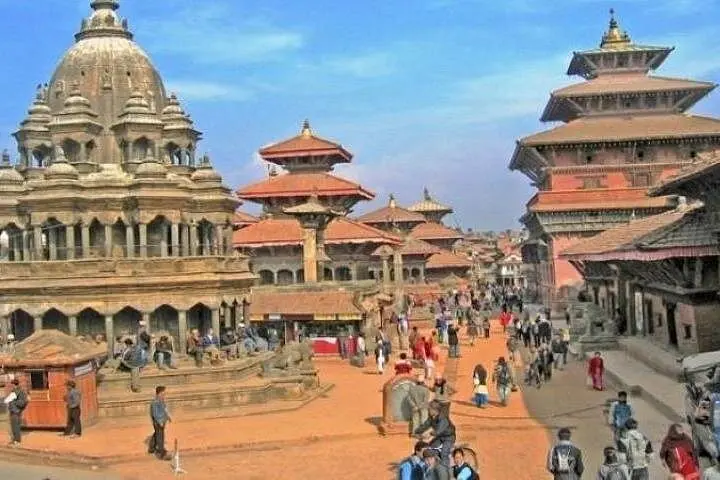
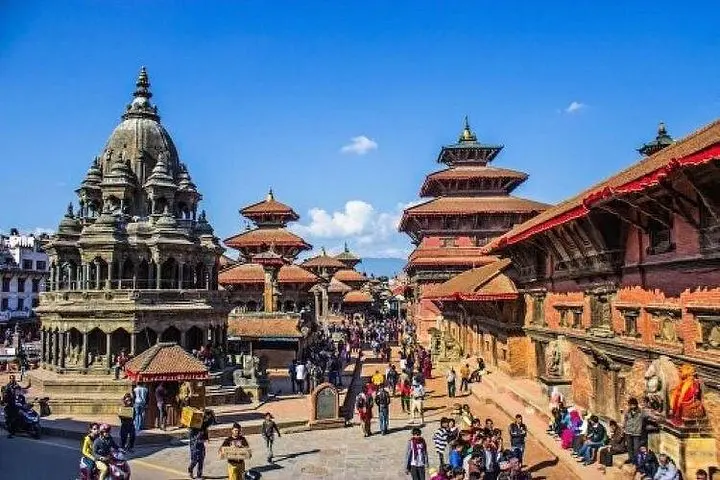
Early morning in Kathmandu feels like a city waking inside an open museum: smoke from ritual fires threads through alleys, temple bells mark hours, and roofs tier against a blue Himalayan sky. A day on the Temples tour moves you from the riverside precinct of Pashupatinath—where the Bagmati dares you to witness rites—to the dense maze of shrines at Kathmandu Durbar Square and the stone-carved Krishna Temple in Patan.
Verified experiences and guided adventures in the surrounding area.
Operated by Himalayan Smile Treks and Adventure Pvt. Ltd · Kathmandu, Bagmati Province
Early morning in Kathmandu feels like a city waking inside an open museum: smoke from ritual fires threads through alleys, temple bells mark hours, and roofs tier against a blue Himalayan sky. A day on the Temples tour moves you from the riverside precinct of Pashupatinath—where the Bagmati dares you to witness rites—to the dense maze of shrines at Kathmandu Durbar Square and the stone-carved Krishna Temple in Patan.
These sites date largely to the medieval Malla period and the later Shah era; they illustrate Newar craftsmanship in carved wood, brick and stone. Geologically, the valley sits on alluvial plains fed by glacial rivers from the Himalaya, which explains the soft soils that shape narrow streets and layered temple foundations. Culturally, these temples remain active: puja, offerings, cremation rites and local festivals create living architecture rather than silent artifacts.
Practically, expect extensive walking on uneven stone courtyards, crowded viewpoints, and enforced rules—shoeremoval, modest dress, and restricted photography in some areas. The itinerary typically includes private transport between sites, a guided visit to key shrines and a mid-day lunch break in Patan.
Bring modest, easy-to-remove footwear, a water bottle, and cash for small donations and souvenirs. Plan for city traffic between stops and allow five to six hours for a careful exploration. The tour is ideal for travelers who want an immersive cultural day that balances close-up ritual observation with clear historical context.
The tour listing indicates entrance/admission is not included by default; confirm with the operator whether site fees are covered when booking.
Yes — cremation areas are visible from designated viewpoints; follow your guide’s instructions and be respectful when observing.
The itinerary includes a lunch stop after the second temple visit, but meals are typically at your own expense unless the operator specifies otherwise—bring cash.
The tour is rated physically easy but involves stairs and uneven ground; contact the operator about vehicle drop-offs closer to temple entrances for limited-mobility guests.
Himalayan Smile Treks and Adventure Pvt. Ltd operates guided outdoor trips and adventures with an emphasis on safety, stewardship, and memorable experiences.
Early morning in Kathmandu feels like a city waking inside an open museum: smoke from ritual fires threads through alleys, temple bells mark hours, and roofs tier against a blue Himalayan sky. A day on the Temples tour moves you from the riverside precinct of Pashupatinath—where the Bagmati dares you to witness rites—to the dense maze of shrines at Kathmandu Durbar Square and the stone-carved Krishna Temple in Patan.
Early morning in Kathmandu feels like a city waking inside an open museum: smoke from ritual fires threads through alleys, temple bells mark hours, and roofs tier against a blue Himalayan sky. A day on the Temples tour moves you from the riverside precinct of Pashupatinath—where the Bagmati dares you to witness rites—to the dense maze of shrines at Kathmandu Durbar Square and the stone-carved Krishna Temple in Patan.
These sites date largely to the medieval Malla period and the later Shah era; they illustrate Newar craftsmanship in carved wood, brick and stone. Geologically, the valley sits on alluvial plains fed by glacial rivers from the Himalaya, which explains the soft soils that shape narrow streets and layered temple foundations. Culturally, these temples remain active: puja, offerings, cremation rites and local festivals create living architecture rather than silent artifacts.
Practically, expect extensive walking on uneven stone courtyards, crowded viewpoints, and enforced rules—shoeremoval, modest dress, and restricted photography in some areas. The itinerary typically includes private transport between sites, a guided visit to key shrines and a mid-day lunch break in Patan.
Bring modest, easy-to-remove footwear, a water bottle, and cash for small donations and souvenirs. Plan for city traffic between stops and allow five to six hours for a careful exploration. The tour is ideal for travelers who want an immersive cultural day that balances close-up ritual observation with clear historical context.