THE ADVENTURE COLLECTIVE® · Independent discovery and booking for outdoor travel

A short, high-altitude introduction to Glen Canyon country: this 40-minute helicopter tour from Page, Arizona, flies over Lake Powell and Horseshoe Bend and includes a landing atop Tower Butte on Navajo land. Ideal for travelers who want dramatic views without a long hike.
A short, high-altitude introduction to Glen Canyon country: this 40-minute helicopter tour from Page, Arizona, flies over Lake Powell and Horseshoe Bend and includes a landing atop Tower Butte on Navajo land. Ideal for travelers who want dramatic views without a long hike.
You lift from the tarmac at Page Municipal Airport and the world tilts into a palette of rust, ochre and glass-blue. The helicopter climbs, rotors carving a steady wind that pulls dust off scrub and sends it streaming across the landscape. Below, the sinuous face of Glen Canyon and the discontinuous blue of Lake Powell open out like a map of extreme contrasts; to the south Horseshoe Bend knuckles the Colorado River into a perfect loop. Twenty minutes in the air feels like stepping into another scale of geography — one that insists you see how small a day’s drive is from the height of a machine that dares to land on a stone tower.
Verified experiences and guided adventures in the surrounding area.
Operated by Papillon Helicopters · Page, Arizona
You lift from the tarmac at Page Municipal Airport and the world tilts into a palette of rust, ochre and glass-blue. The helicopter climbs, rotors carving a steady wind that pulls dust off scrub and sends it streaming across the landscape. Below, the sinuous face of Glen Canyon and the discontinuous blue of Lake Powell open out like a map of extreme contrasts; to the south Horseshoe Bend knuckles the Colorado River into a perfect loop. Twenty minutes in the air feels like stepping into another scale of geography — one that insists you see how small a day’s drive is from the height of a machine that dares to land on a stone tower.
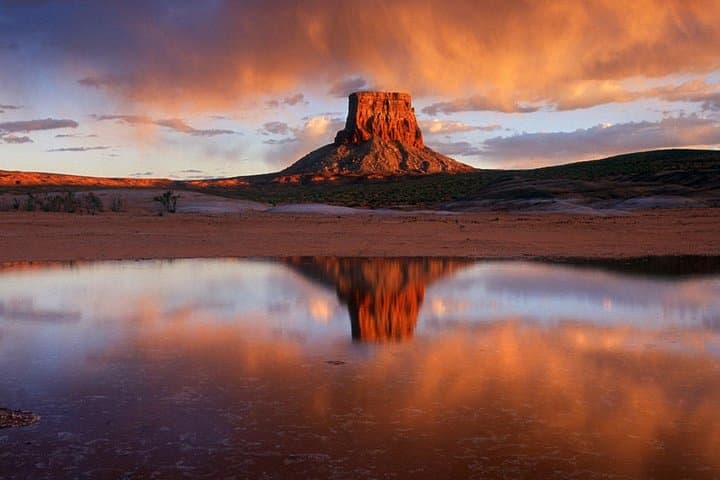
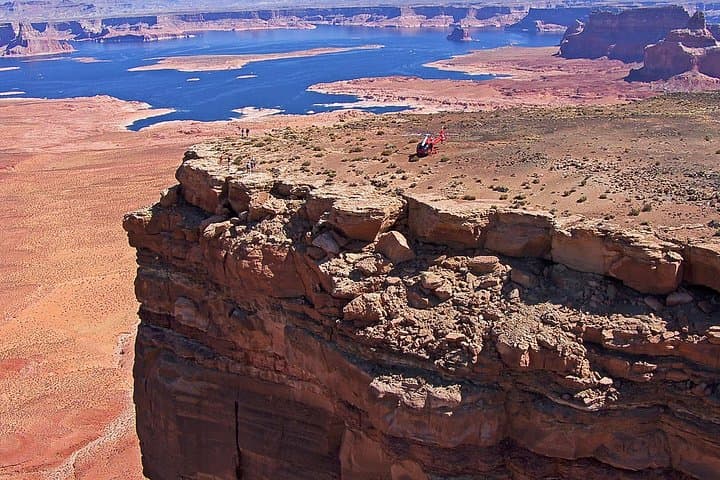
Tower Butte is not a gentle mesa. It’s a vertical cap of sandstone that rises sharply from Navajo Nation land — a dramatic remnant of the region’s long geologic story. Millions of years of sedimentation, uplift and erosion carved the Grand Staircase and the Vermilion Cliffs you’ll pass. This flight is as much a history lesson as a thrill: pilots narrate Navajo and settler histories, calling out landmarks like the Kaiparowits Plateau and the sculpted gutters of Glen Canyon carved by the Colorado River.
Culturally, the area is still alive with Navajo presence. Tower Butte sits on Navajo land and the landing is permitted through tribal arrangements; pilots often share stories of Navajo stewardship and the complicated past of Glen Canyon’s transformation into Lake Powell after Glen Canyon Dam was built in the 1960s.
Practicalities matter: the whole experience is compact — expect roughly 40 minutes total from briefing to return. Groups are limited for intimacy, and weight and balance rules are enforced; passengers 18+ need photo ID, infants ride on laps, and larger passengers may need to purchase a second seat. Baggage is minimal: no backpacks on board. Weather can alter plans: strong winds or low ceilings will delay or cancel flights.
If you’re planning the trip, aim for morning flights for softer light and calmer air, and bring a windproof layer — down drafts on open tops can be chilly even in summer. Keep a small camera with a fast lens and secure strap; the best shots are through open doors if offered, but don’t be the person who drops gear over a butte. Finally, respect Navajo rules at the landing site — stay within designated areas and follow the crew’s guidance.
This is a short, high-impact way to see Lake Powell, Horseshoe Bend and the red-rock spine of northern Arizona in a single sweep, plus the rare experience of standing atop a sandstone tower that still watches the river below.
The full experience runs about 40 minutes from check-in to return, with roughly 20 minutes airborne including the Tower Butte landing.
Yes — infants under two are lap children but must have proof of age; bring a passport or birth certificate if requested.
Yes — for aircraft balance, passengers 300 lbs or greater must buy an additional seat; exact procedures are handled at check-in.
Landings are performed by experienced pilots; participants should follow crew directions and remain within designated areas on Tower Butte.
Only small personal items are allowed; large bags are not permitted. Bring ID, a camera with a strap, and dress in layers.
Flights are subject to weather cancellations; you’ll receive a refund if you cancel within the policy window or the operator cancels due to conditions.
Papillon Helicopters operates guided outdoor trips and adventures with an emphasis on safety, stewardship, and memorable experiences.
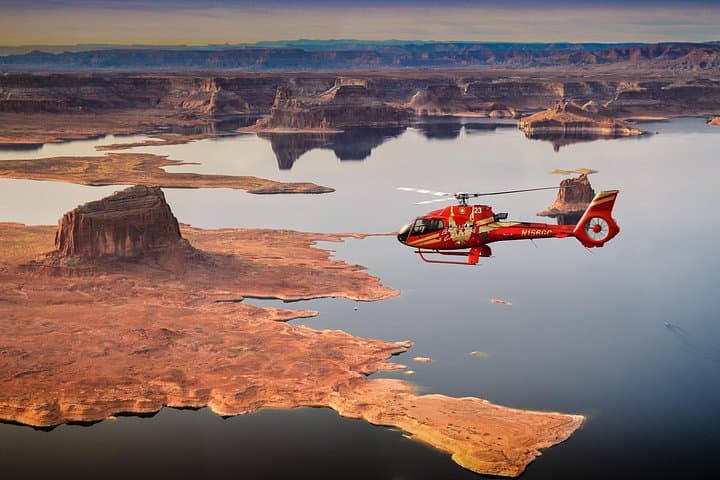
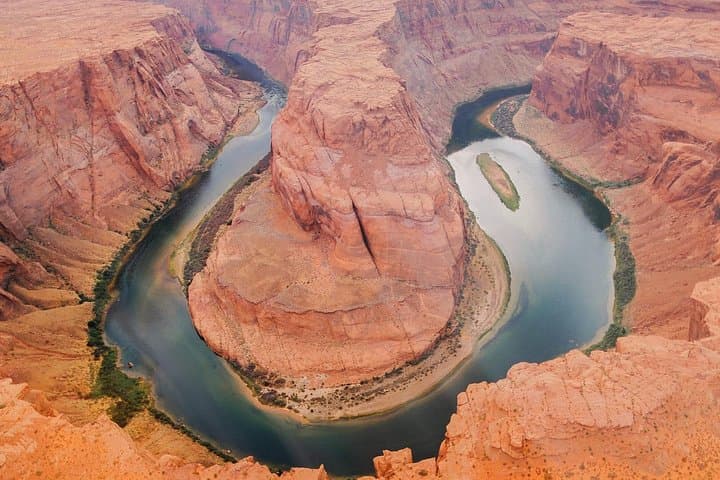
You lift from the tarmac at Page Municipal Airport and the world tilts into a palette of rust, ochre and glass-blue. The helicopter climbs, rotors carving a steady wind that pulls dust off scrub and sends it streaming across the landscape. Below, the sinuous face of Glen Canyon and the discontinuous blue of Lake Powell open out like a map of extreme contrasts; to the south Horseshoe Bend knuckles the Colorado River into a perfect loop. Twenty minutes in the air feels like stepping into another scale of geography — one that insists you see how small a day’s drive is from the height of a machine that dares to land on a stone tower.
You lift from the tarmac at Page Municipal Airport and the world tilts into a palette of rust, ochre and glass-blue. The helicopter climbs, rotors carving a steady wind that pulls dust off scrub and sends it streaming across the landscape. Below, the sinuous face of Glen Canyon and the discontinuous blue of Lake Powell open out like a map of extreme contrasts; to the south Horseshoe Bend knuckles the Colorado River into a perfect loop. Twenty minutes in the air feels like stepping into another scale of geography — one that insists you see how small a day’s drive is from the height of a machine that dares to land on a stone tower.
Tower Butte is not a gentle mesa. It’s a vertical cap of sandstone that rises sharply from Navajo Nation land — a dramatic remnant of the region’s long geologic story. Millions of years of sedimentation, uplift and erosion carved the Grand Staircase and the Vermilion Cliffs you’ll pass. This flight is as much a history lesson as a thrill: pilots narrate Navajo and settler histories, calling out landmarks like the Kaiparowits Plateau and the sculpted gutters of Glen Canyon carved by the Colorado River.
Culturally, the area is still alive with Navajo presence. Tower Butte sits on Navajo land and the landing is permitted through tribal arrangements; pilots often share stories of Navajo stewardship and the complicated past of Glen Canyon’s transformation into Lake Powell after Glen Canyon Dam was built in the 1960s.
Practicalities matter: the whole experience is compact — expect roughly 40 minutes total from briefing to return. Groups are limited for intimacy, and weight and balance rules are enforced; passengers 18+ need photo ID, infants ride on laps, and larger passengers may need to purchase a second seat. Baggage is minimal: no backpacks on board. Weather can alter plans: strong winds or low ceilings will delay or cancel flights.
If you’re planning the trip, aim for morning flights for softer light and calmer air, and bring a windproof layer — down drafts on open tops can be chilly even in summer. Keep a small camera with a fast lens and secure strap; the best shots are through open doors if offered, but don’t be the person who drops gear over a butte. Finally, respect Navajo rules at the landing site — stay within designated areas and follow the crew’s guidance.
This is a short, high-impact way to see Lake Powell, Horseshoe Bend and the red-rock spine of northern Arizona in a single sweep, plus the rare experience of standing atop a sandstone tower that still watches the river below.