THE ADVENTURE COLLECTIVE® · Independent discovery and booking for outdoor travel

Cycle out of Hoi An into a living herb garden, learn traditional planting methods, enjoy an herbal foot massage and cook regional dishes under a local chef’s guidance. This half-day experience blends hands-on farming, food history and practical cooking skills.
Cycle out of Hoi An into a living herb garden, learn traditional planting methods, enjoy an herbal foot massage and cook regional dishes under a local chef’s guidance. This half-day experience blends hands-on farming, food history and practical cooking skills.
You pedal out of Hoi An before mid-morning, rice paddies sliding by like low, green waves while the river air cools your ride. The lane opens onto Tra Que, a compact herb garden community where mint, basil and lemongrass stand in neat beds and a conical hat and farmer's shirt quickly become part of the ritual.
Verified experiences and guided adventures in the surrounding area.
Operated by Authenitc Travel DA NANG · Hoi An, Quang Nam
You pedal out of Hoi An before mid-morning, rice paddies sliding by like low, green waves while the river air cools your ride. The lane opens onto Tra Que, a compact herb garden community where mint, basil and lemongrass stand in neat beds and a conical hat and farmer's shirt quickly become part of the ritual.
Tra Que's garden plots are built on the alluvial plain fed by tributaries of the Thu Bồn River; the rich mud has supported vegetable farming for generations. The village preserves pre-industrial techniques—hand-tilling, natural compost and crop rotation—that locals say keep produce flavorful and resilient in the monsoon cycle. Culturally, Tra Que doubles as a living classroom: villagers demonstrate medicinal uses for herbs and share simple foodways that helped Hoi An thrive as a trading port.
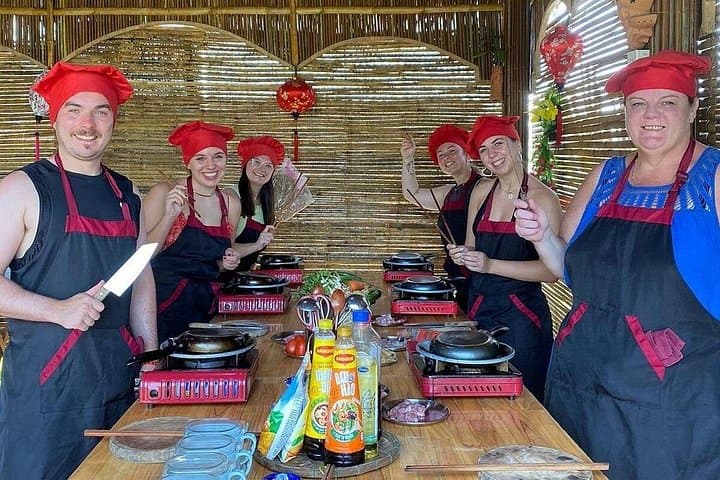
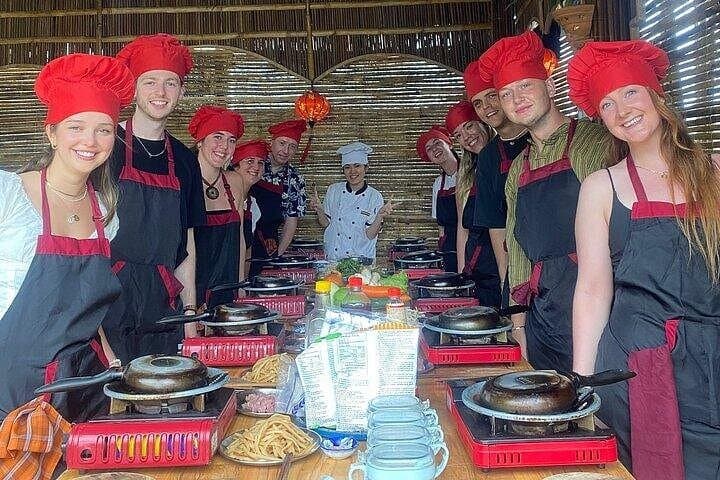
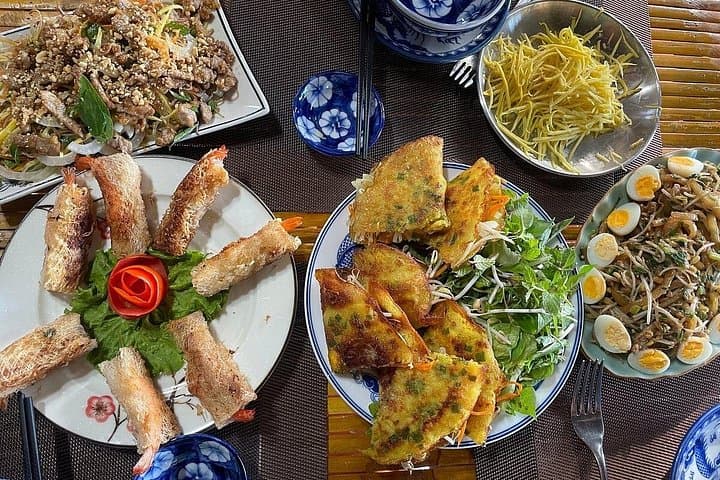
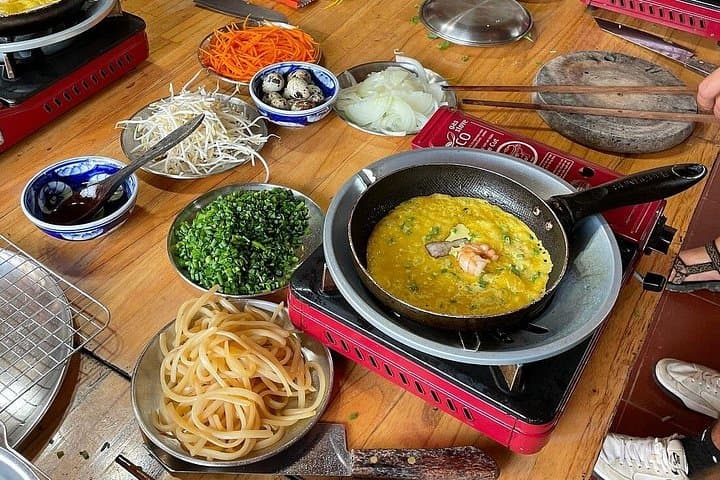
The program moves from hands-on farming to an herbal foot massage with locally made balms, then into a compact cooking lesson where you shape spring rolls, sear Bánh Xèo and stir morning glory with garlic. It’s sensory and pragmatic: dirt under nails, the hiss of a hot pan, and the exact chop that makes a dish hold together.
Practical guidance: wear grippy closed-toe shoes for farm work and a light long-sleeve to guard from sun and insects. Bring sunscreen, a refillable bottle, and a small backpack—your guide provides bicycles and a market stop, but paths can be muddy after rain. Expect gentle physical activity rather than a strenuous hike, and ask ahead for vegetarian or allergy accommodations. The full experience runs about five hours and returns you to Hoi An with new recipes and a clearer sense of local food systems.
Yes, a short, easy bike ride from your hotel to the market and back is included; the roads are mostly flat and suitable for casual riders.
Yes—vegetarian options are available if requested during booking; notify the operator of allergies in advance to ensure safe preparation.
The tour is family-friendly but involves standing, light farm work and stairs in traditional houses; check mobility limits and health concerns with the operator.
The activity may proceed in light rain with accommodations; severe weather could lead to rescheduling—check the cancellation policy and communicate with your guide.
Authenitc Travel DA NANG operates guided outdoor trips and adventures with an emphasis on safety, stewardship, and memorable experiences.
You pedal out of Hoi An before mid-morning, rice paddies sliding by like low, green waves while the river air cools your ride. The lane opens onto Tra Que, a compact herb garden community where mint, basil and lemongrass stand in neat beds and a conical hat and farmer's shirt quickly become part of the ritual.
You pedal out of Hoi An before mid-morning, rice paddies sliding by like low, green waves while the river air cools your ride. The lane opens onto Tra Que, a compact herb garden community where mint, basil and lemongrass stand in neat beds and a conical hat and farmer's shirt quickly become part of the ritual.
Tra Que's garden plots are built on the alluvial plain fed by tributaries of the Thu Bồn River; the rich mud has supported vegetable farming for generations. The village preserves pre-industrial techniques—hand-tilling, natural compost and crop rotation—that locals say keep produce flavorful and resilient in the monsoon cycle. Culturally, Tra Que doubles as a living classroom: villagers demonstrate medicinal uses for herbs and share simple foodways that helped Hoi An thrive as a trading port.
The program moves from hands-on farming to an herbal foot massage with locally made balms, then into a compact cooking lesson where you shape spring rolls, sear Bánh Xèo and stir morning glory with garlic. It’s sensory and pragmatic: dirt under nails, the hiss of a hot pan, and the exact chop that makes a dish hold together.
Practical guidance: wear grippy closed-toe shoes for farm work and a light long-sleeve to guard from sun and insects. Bring sunscreen, a refillable bottle, and a small backpack—your guide provides bicycles and a market stop, but paths can be muddy after rain. Expect gentle physical activity rather than a strenuous hike, and ask ahead for vegetarian or allergy accommodations. The full experience runs about five hours and returns you to Hoi An with new recipes and a clearer sense of local food systems.