THE ADVENTURE COLLECTIVE® · Independent discovery and booking for outdoor travel

Cycle out of Hoi An into Tra Que Village’s fragrant herb gardens for a hands-on farm and cooking class. Learn traditional farming, craft Vietnamese dishes, and end the morning with a herbal foot massage.
Cycle out of Hoi An into Tra Que Village’s fragrant herb gardens for a hands-on farm and cooking class. Learn traditional farming, craft Vietnamese dishes, and end the morning with a herbal foot massage.
You arrive by bicycle down a narrow lane where the morning air smells of wet earth and young herbs; small wooden rakes and woven baskets line the edge of the fields as local farmers bend to the soil. The village opens slowly—green beds of cilantro, Vietnamese balm and morning glory ripple under a soft breeze that seems to push you forward.
Verified experiences and guided adventures in the surrounding area.
Operated by Asia Group Tour · Hoi An, Quang Nam Province
You arrive by bicycle down a narrow lane where the morning air smells of wet earth and young herbs; small wooden rakes and woven baskets line the edge of the fields as local farmers bend to the soil. The village opens slowly—green beds of cilantro, Vietnamese balm and morning glory ripple under a soft breeze that seems to push you forward.
Tra Que’s fields have fed Hoi An for generations. The village’s soil, enriched by alluvial deposits from the nearby Thu Bon River, favors aromatic herbs and quick-growing vegetables. The farming techniques here mix simple irrigation, hand-tilling and centuries-old seed knowledge; the result is intensely fresh produce and a culture built around community meals.
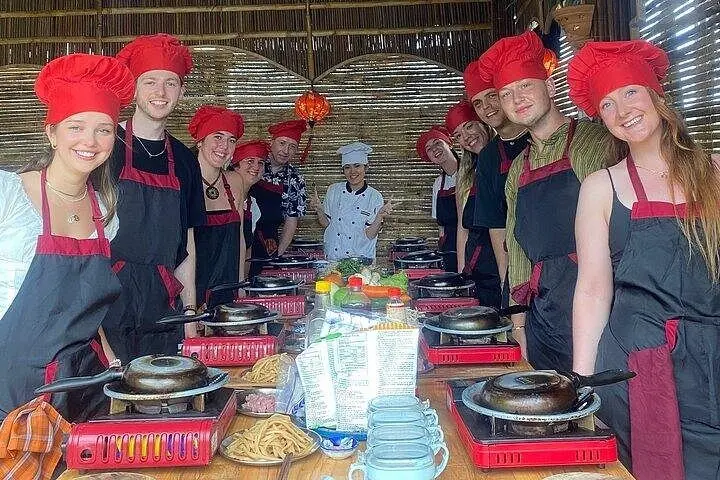
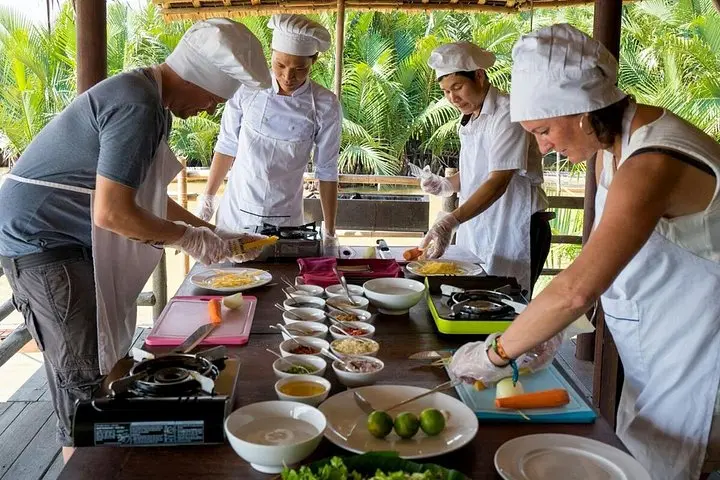
The experience blends hands-on farming—planting, fertilizing with seaweed and compost—and a cooking class led by a local chef. You’ll learn dishes like banh xeo and lotus-stem salad, practice vegetable flower carving and finish with a herbal foot massage that uses locally harvested leaves. Along the way, guides explain how the village balances tourism with everyday agriculture and why certain herbs are valued in Vietnamese medicine and cuisine.
Practical notes: the tour is roughly 5 hours including return by bike, with light riding on flat country roads and short stints of standing and bending in the fields. Wear sturdy shoes you don’t mind getting dirty, bring sun protection, and carry water—shade is limited. Respect cultivated beds, follow the guide’s hands-on instructions and mention dietary restrictions in advance; many recipes can be adjusted. The day is sensory and deliberate—soil under your nails, steam from the wok, and a clear sense of where the meal began.
Yes—most tours include a short, flat bike ride from central Hoi An; you can request hotel pickup arrangements if needed.
Yes—inform the operator ahead of time and the chef will adapt recipes; the menu is flexible around vegetables and herbs.
It’s light to moderate: kneeling, bending and using hand tools for short periods; people with limited mobility should check in advance.
Classes are led in English by a local chef or guide; staff are accustomed to international guests and demonstrate techniques clearly.
Asia Group Tour operates guided outdoor trips and adventures with an emphasis on safety, stewardship, and memorable experiences.
You arrive by bicycle down a narrow lane where the morning air smells of wet earth and young herbs; small wooden rakes and woven baskets line the edge of the fields as local farmers bend to the soil. The village opens slowly—green beds of cilantro, Vietnamese balm and morning glory ripple under a soft breeze that seems to push you forward.
You arrive by bicycle down a narrow lane where the morning air smells of wet earth and young herbs; small wooden rakes and woven baskets line the edge of the fields as local farmers bend to the soil. The village opens slowly—green beds of cilantro, Vietnamese balm and morning glory ripple under a soft breeze that seems to push you forward.
Tra Que’s fields have fed Hoi An for generations. The village’s soil, enriched by alluvial deposits from the nearby Thu Bon River, favors aromatic herbs and quick-growing vegetables. The farming techniques here mix simple irrigation, hand-tilling and centuries-old seed knowledge; the result is intensely fresh produce and a culture built around community meals.
The experience blends hands-on farming—planting, fertilizing with seaweed and compost—and a cooking class led by a local chef. You’ll learn dishes like banh xeo and lotus-stem salad, practice vegetable flower carving and finish with a herbal foot massage that uses locally harvested leaves. Along the way, guides explain how the village balances tourism with everyday agriculture and why certain herbs are valued in Vietnamese medicine and cuisine.
Practical notes: the tour is roughly 5 hours including return by bike, with light riding on flat country roads and short stints of standing and bending in the fields. Wear sturdy shoes you don’t mind getting dirty, bring sun protection, and carry water—shade is limited. Respect cultivated beds, follow the guide’s hands-on instructions and mention dietary restrictions in advance; many recipes can be adjusted. The day is sensory and deliberate—soil under your nails, steam from the wok, and a clear sense of where the meal began.