THE ADVENTURE COLLECTIVE® · Independent discovery and booking for outdoor travel

Spend a day as a farmer in Tra Que Village: harvest herbs, ride a tame buffalo, shop at the local market and learn to cook Hoi An dishes using produce fertilized with lagoon seaweed. This full-day agritour immerses you in 300 years of local farming practice with hands-on activities and gentle cycling.
Spend a day as a farmer in Tra Que Village: harvest herbs, ride a tame buffalo, shop at the local market and learn to cook Hoi An dishes using produce fertilized with lagoon seaweed. This full-day agritour immerses you in 300 years of local farming practice with hands-on activities and gentle cycling.
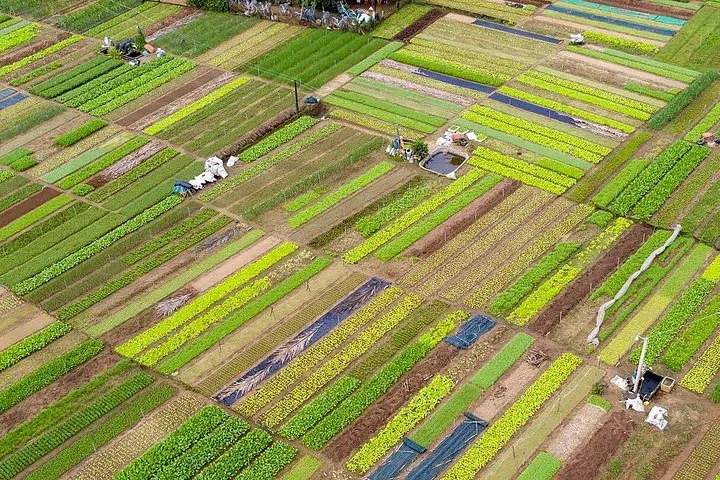
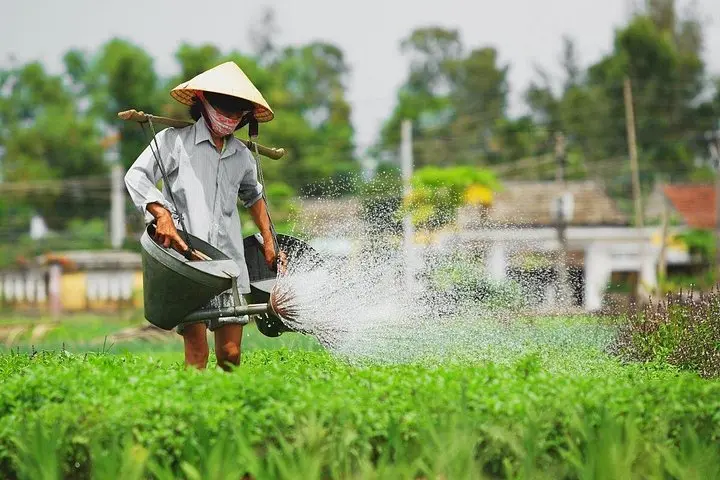
The morning air in Tra Que tastes of wet earth and seaweed; fields gleam a cool green under a low sun and the village wakes with the soft clack of bicycles and farmers tending beds of herbs and vegetables. Here you step off the tourist trail into a working garden that has fed Hoi An for generations, where clean water is pumped from the ground and lagoon seaweed is mixed into natural fertilizer that keeps the plots rich.
Verified experiences and guided adventures in the surrounding area.
Operated by Du lịch Đà Nẵng - Công ty Lữ hành Quốc tế Trường Sa. · Hoi An, Quang Nam
The morning air in Tra Que tastes of wet earth and seaweed; fields gleam a cool green under a low sun and the village wakes with the soft clack of bicycles and farmers tending beds of herbs and vegetables. Here you step off the tourist trail into a working garden that has fed Hoi An for generations, where clean water is pumped from the ground and lagoon seaweed is mixed into natural fertilizer that keeps the plots rich.
Tra Que’s story runs more than 300 years: a small farming community built on river sediments and tidal rhythms, its techniques shaped by the Thu Bon River and Cham cultural exchanges. The soil — alluvial and well-drained — favors mint, lettuce and rau răm; the landscape is flat, punctuated by irrigation channels that move like ribbons through paddies.
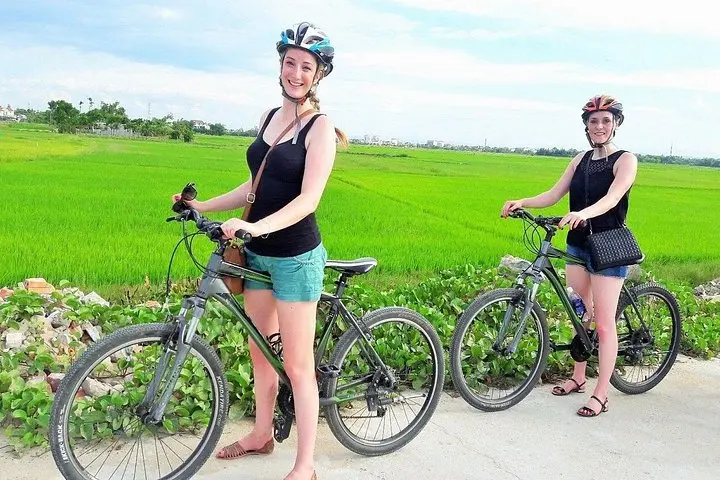
On a typical day this tour blends low-impact labor with local life: hands-on planting and harvesting, a short buffalo ride across a yard, a market visit for ingredients, then a communal cooking class where you prepare classic Hoi An dishes. Biking between plots and along quiet lanes gives perspective on rural rhythms and nearby coastlines.
Practical guidance: expect mostly flat, firm terrain and gentle walking or cycling over 1–5 km stretches; bring sun protection, closed-toe shoes for muddy patches, and a refillable bottle. Plan for an early start to avoid heat, carry small local currency for purchases, and wear clothing you don’t mind getting earthy. Respect planted beds — step only where hosts invite you — and you’ll leave with tactile memories of working land, local recipes, and a deeper sense of how food, water and community weave through Hoi An’s agricultural life.
Expect several short walks through gardens and about 2–6 km of gentle cycling on flat village lanes; the day is paced for comfort.
Yes — rides are short and supervised, but children should be accompanied and wear closed-toe shoes.
Yes — the itinerary includes a hands-on cooking session using vegetables you helped harvest, with recipes and guidance from local cooks.
Most dietary needs can be accommodated if you notify organizers in advance; the menu is vegetable-forward and flexible.
Du lịch Đà Nẵng - Công ty Lữ hành Quốc tế Trường Sa. operates guided outdoor trips and adventures with an emphasis on safety, stewardship, and memorable experiences.
The morning air in Tra Que tastes of wet earth and seaweed; fields gleam a cool green under a low sun and the village wakes with the soft clack of bicycles and farmers tending beds of herbs and vegetables. Here you step off the tourist trail into a working garden that has fed Hoi An for generations, where clean water is pumped from the ground and lagoon seaweed is mixed into natural fertilizer that keeps the plots rich.
The morning air in Tra Que tastes of wet earth and seaweed; fields gleam a cool green under a low sun and the village wakes with the soft clack of bicycles and farmers tending beds of herbs and vegetables. Here you step off the tourist trail into a working garden that has fed Hoi An for generations, where clean water is pumped from the ground and lagoon seaweed is mixed into natural fertilizer that keeps the plots rich.
Tra Que’s story runs more than 300 years: a small farming community built on river sediments and tidal rhythms, its techniques shaped by the Thu Bon River and Cham cultural exchanges. The soil — alluvial and well-drained — favors mint, lettuce and rau răm; the landscape is flat, punctuated by irrigation channels that move like ribbons through paddies.
On a typical day this tour blends low-impact labor with local life: hands-on planting and harvesting, a short buffalo ride across a yard, a market visit for ingredients, then a communal cooking class where you prepare classic Hoi An dishes. Biking between plots and along quiet lanes gives perspective on rural rhythms and nearby coastlines.
Practical guidance: expect mostly flat, firm terrain and gentle walking or cycling over 1–5 km stretches; bring sun protection, closed-toe shoes for muddy patches, and a refillable bottle. Plan for an early start to avoid heat, carry small local currency for purchases, and wear clothing you don’t mind getting earthy. Respect planted beds — step only where hosts invite you — and you’ll leave with tactile memories of working land, local recipes, and a deeper sense of how food, water and community weave through Hoi An’s agricultural life.