THE ADVENTURE COLLECTIVE® · Independent discovery and booking for outdoor travel

Cycle from Hoi An into Tra Que Village to farm with local growers, enjoy a herbal massage, and learn to cook five traditional dishes using fresh ingredients. This half-day, hands-on experience blends gentle cycling, cultural immersion, and a communal meal.
Cycle from Hoi An into Tra Que Village to farm with local growers, enjoy a herbal massage, and learn to cook five traditional dishes using fresh ingredients. This half-day, hands-on experience blends gentle cycling, cultural immersion, and a communal meal.
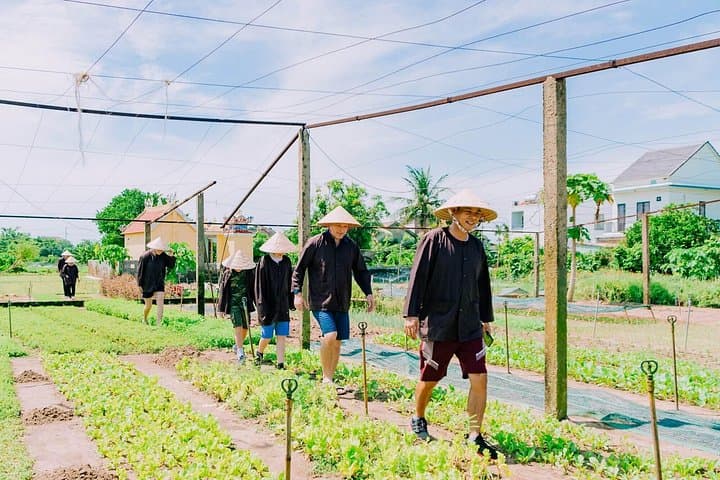
You pedal away from Hoi An’s lantern-lit alleys and the countryside opens like a slow-breathing mosaic: narrow lanes, low stone walls, and fields where green herbs ripple under a gentle breeze. The guide steers you through a local market, past buffalo grazing at the water’s edge, until you reach Tra Que Vegetable Village — a compact patchwork of organic beds where people still work by hand.
Verified experiences and guided adventures in the surrounding area.
Operated by LOCAL TOURS VIETNAM · Hoi An, Quang Nam
You pedal away from Hoi An’s lantern-lit alleys and the countryside opens like a slow-breathing mosaic: narrow lanes, low stone walls, and fields where green herbs ripple under a gentle breeze. The guide steers you through a local market, past buffalo grazing at the water’s edge, until you reach Tra Que Vegetable Village — a compact patchwork of organic beds where people still work by hand.
Tra Que’s farming methods trace back generations; the village has long supplied Hoi An with herbs and vegetables used in Cham and Vietnamese cooking. Geologically the area is flat floodplain fed by the Thu Bon River, which keeps soils rich and sandy-loam ideal for mint, basil, and morning glory. The cultural rhythm here is practical: morning work, communal meals, and craft knowledge passed face-to-face.
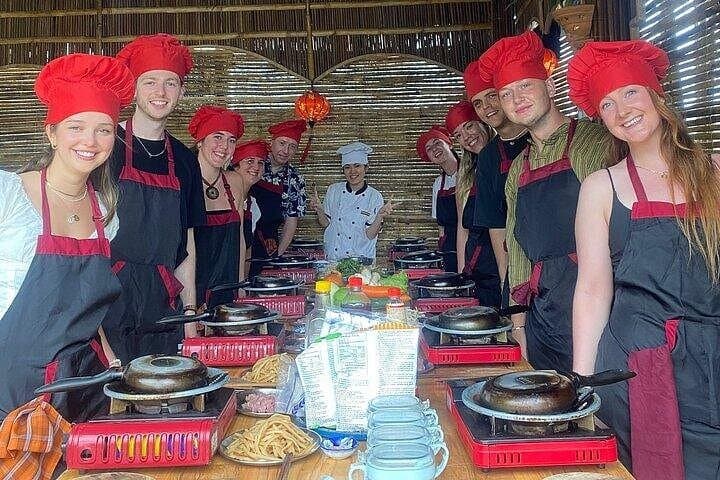
On this five-hour experience you’ll don a farmer’s shirt, tend beds with a villager, sip É Water (herbal tea), receive a traditional herbal shoulder-and-foot massage, then learn to craft vegetable flowers and five regional dishes with a local chef. Expect hands-on farming, simple tools, light cycling on quiet roads, and a leisurely cooking session that ends with the meal you prepared.
Practical guide: arrive hydrated and rested; wear closed-toe shoes that can get dirty; a sun hat and light layers help with variable heat. The best time is morning to late morning to avoid midday sun and to see farmers at work. Respect planting beds, follow the guide’s hygiene rules in the kitchen, and tip locally if you enjoyed the lesson.
No—routes are on quiet, mostly flat village roads suitable for casual cyclists; a basic comfort bike is provided.
Yes—vegetarian options are available if requested at booking; notify the operator of allergies in advance.
Most operators welcome children but check age limits and bike safety for young riders when booking.
The massage is a gentle, traditional herbal treatment focused on head, shoulders, and feet, intended for relaxation rather than deep tissue therapy.
LOCAL TOURS VIETNAM operates guided outdoor trips and adventures with an emphasis on safety, stewardship, and memorable experiences.


You pedal away from Hoi An’s lantern-lit alleys and the countryside opens like a slow-breathing mosaic: narrow lanes, low stone walls, and fields where green herbs ripple under a gentle breeze. The guide steers you through a local market, past buffalo grazing at the water’s edge, until you reach Tra Que Vegetable Village — a compact patchwork of organic beds where people still work by hand.
You pedal away from Hoi An’s lantern-lit alleys and the countryside opens like a slow-breathing mosaic: narrow lanes, low stone walls, and fields where green herbs ripple under a gentle breeze. The guide steers you through a local market, past buffalo grazing at the water’s edge, until you reach Tra Que Vegetable Village — a compact patchwork of organic beds where people still work by hand.
Tra Que’s farming methods trace back generations; the village has long supplied Hoi An with herbs and vegetables used in Cham and Vietnamese cooking. Geologically the area is flat floodplain fed by the Thu Bon River, which keeps soils rich and sandy-loam ideal for mint, basil, and morning glory. The cultural rhythm here is practical: morning work, communal meals, and craft knowledge passed face-to-face.
On this five-hour experience you’ll don a farmer’s shirt, tend beds with a villager, sip É Water (herbal tea), receive a traditional herbal shoulder-and-foot massage, then learn to craft vegetable flowers and five regional dishes with a local chef. Expect hands-on farming, simple tools, light cycling on quiet roads, and a leisurely cooking session that ends with the meal you prepared.
Practical guide: arrive hydrated and rested; wear closed-toe shoes that can get dirty; a sun hat and light layers help with variable heat. The best time is morning to late morning to avoid midday sun and to see farmers at work. Respect planting beds, follow the guide’s hygiene rules in the kitchen, and tip locally if you enjoyed the lesson.