THE ADVENTURE COLLECTIVE® · Independent discovery and booking for outdoor travel

Glide by boat through flooded cajuput woods and listen to a chorus of egrets and kingfishers on this full-day Tra Su Bird Sanctuary tour from Can Tho or Chau Doc. Expect boat paddles, a tower lookout, local snacks and cultural stops including Núi Sam and the Holy Mother Temple.
Glide by boat through flooded cajuput woods and listen to a chorus of egrets and kingfishers on this full-day Tra Su Bird Sanctuary tour from Can Tho or Chau Doc. Expect boat paddles, a tower lookout, local snacks and cultural stops including Núi Sam and the Holy Mother Temple.
Mist rises off the flooded cajuput forest as a motorboat parts the dark water; reed stems slap the hull and birds startle into flight, their wings marking the rhythm of the delta.
Verified experiences and guided adventures in the surrounding area.
Operated by Fabulous Mekong Eco Tours · Chau Doc, An Giang
Mist rises off the flooded cajuput forest as a motorboat parts the dark water; reed stems slap the hull and birds startle into flight, their wings marking the rhythm of the delta.
Tra Su (Rừng Tràm Trà Sư) is a seasonal wetland carved into the western edge of the Mekong Delta—shallow channels through a maze of cajuput (melaleuca) trees, lotus beds and reed marsh. The forest was managed to protect wetland habitat and has become one of southern Vietnam’s premier bird sanctuaries, where egrets, herons and kingfishers gather and migratory species arrive in waves.
Geology here is recent: alluvial plains washed down from the Mekong, creating spongy peat and shallow oxbow channels. Culturally, the tour threads through local life—floating fish farms, palm-sugar stands and the Holy Mother Temple on Núi Sam, where pilgrims climb for far-reaching views toward Cambodia.
Practical guide: expect a long day—pickup in Can Tho or Chau Doc, roughly 3–4 hours round-trip by air-conditioned vehicle, then motorboat and sampan paddles inside the reserve. Walks are short and flat; most wildlife viewing happens from boats and a raised tower. Bring lightweight rain protection—sudden showers are common—plus insect repellent and a good zoom lens or binoculars. Stay hydrated and wear sun-protective clothing; footwear that can get wet is useful for docks and muddy approaches.
The forest invites a quiet pace: listen for birds more than shouting, follow your guide’s boat routes, and leave no trace—wildlife here responds quickly to disturbance. The payoff is immediate: a green cathedral of trunks and wingbeats, and a glimpse into Mekong Delta life that keeps pushing outward in every tide.
Pickup is offered from central Can Tho or Chau Doc hotels; confirm your pickup point and time at booking—schedules may vary by operator.
Yes—Tra Su hosts resident egrets, herons and kingfishers year-round; migratory species arrive seasonally, but sightings depend on time of day and disturbance levels.
Generally yes—boat travel minimizes walking, but those with mobility issues should note small boat transfers and a lookout tower climb; infant seats may be available on vehicles.
Lunch (local dishes like bánh xèo) and one drink are typically included; inform the operator of dietary restrictions when booking.
Fabulous Mekong Eco Tours operates guided outdoor trips and adventures with an emphasis on safety, stewardship, and memorable experiences.
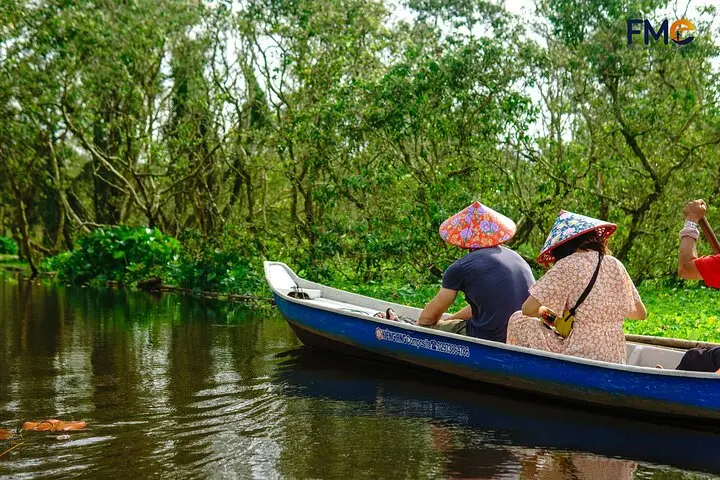
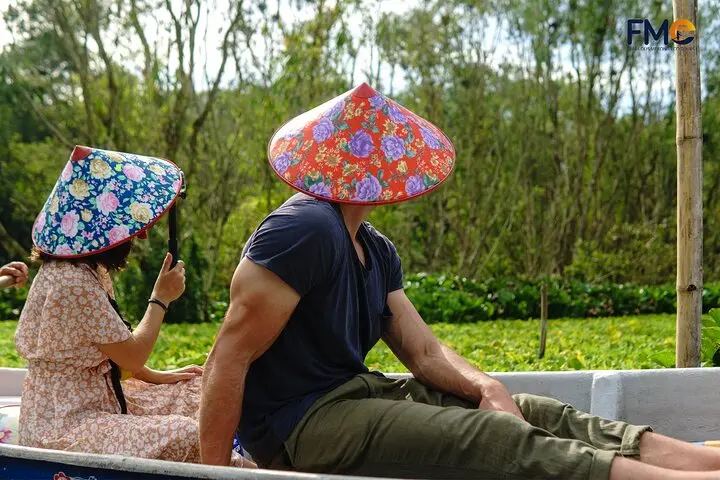
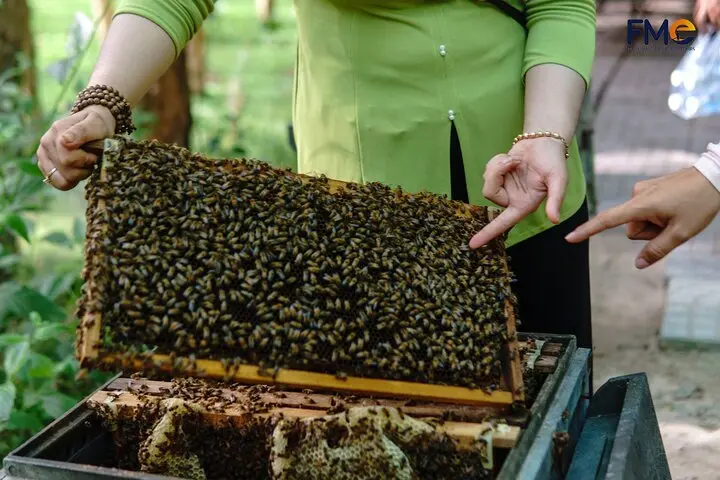
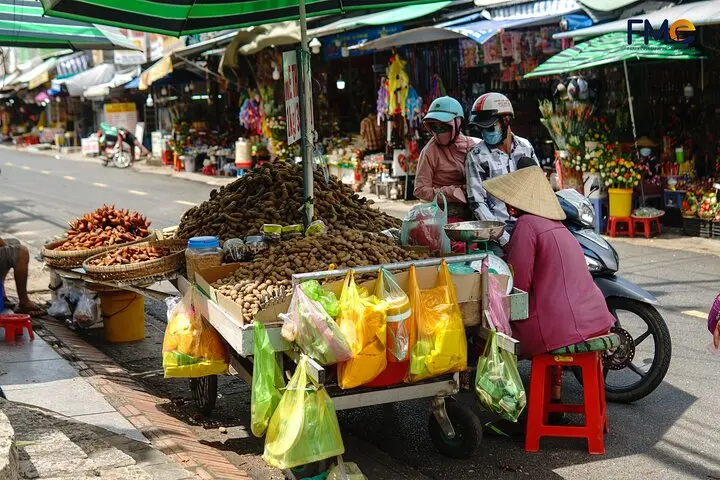
Mist rises off the flooded cajuput forest as a motorboat parts the dark water; reed stems slap the hull and birds startle into flight, their wings marking the rhythm of the delta.
Mist rises off the flooded cajuput forest as a motorboat parts the dark water; reed stems slap the hull and birds startle into flight, their wings marking the rhythm of the delta.
Tra Su (Rừng Tràm Trà Sư) is a seasonal wetland carved into the western edge of the Mekong Delta—shallow channels through a maze of cajuput (melaleuca) trees, lotus beds and reed marsh. The forest was managed to protect wetland habitat and has become one of southern Vietnam’s premier bird sanctuaries, where egrets, herons and kingfishers gather and migratory species arrive in waves.
Geology here is recent: alluvial plains washed down from the Mekong, creating spongy peat and shallow oxbow channels. Culturally, the tour threads through local life—floating fish farms, palm-sugar stands and the Holy Mother Temple on Núi Sam, where pilgrims climb for far-reaching views toward Cambodia.
Practical guide: expect a long day—pickup in Can Tho or Chau Doc, roughly 3–4 hours round-trip by air-conditioned vehicle, then motorboat and sampan paddles inside the reserve. Walks are short and flat; most wildlife viewing happens from boats and a raised tower. Bring lightweight rain protection—sudden showers are common—plus insect repellent and a good zoom lens or binoculars. Stay hydrated and wear sun-protective clothing; footwear that can get wet is useful for docks and muddy approaches.
The forest invites a quiet pace: listen for birds more than shouting, follow your guide’s boat routes, and leave no trace—wildlife here responds quickly to disturbance. The payoff is immediate: a green cathedral of trunks and wingbeats, and a glimpse into Mekong Delta life that keeps pushing outward in every tide.