THE ADVENTURE COLLECTIVE® · Independent discovery and booking for outdoor travel

Step onto a centuries-old wooden platform and help the mastri trabuccolanti haul nets by hand on the Adriatic. This 50‑minute private fishing experience at Trabucco San Lorenzo in Vieste pairs hands-on work with local flavors and coastal history.
Step onto a centuries-old wooden platform and help the mastri trabuccolanti haul nets by hand on the Adriatic. This 50‑minute private fishing experience at Trabucco San Lorenzo in Vieste pairs hands-on work with local flavors and coastal history.
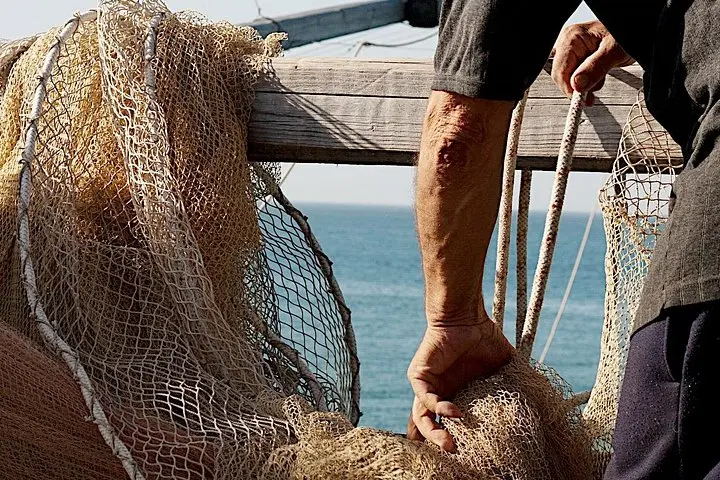
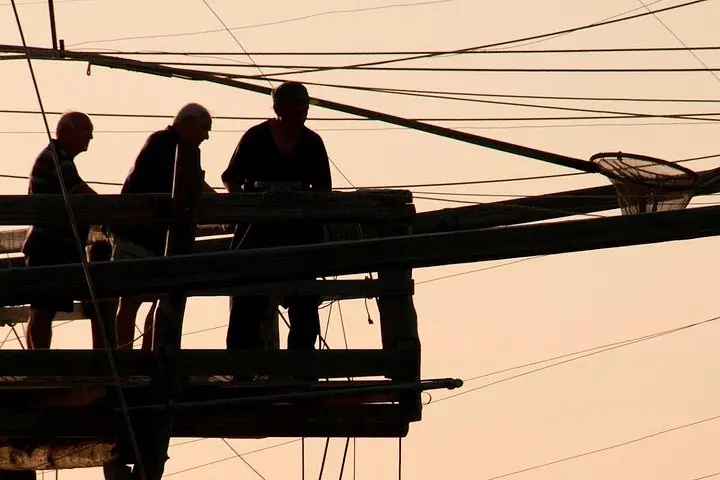
The wooden platform rocks with the rhythm of the Adriatic as the sun pulls itself over the Gargano cliffs. Salt brightens the air, gulls call from the shale ledges, and the long arms of the trabucco—ancient wooden piers pounded into rock—reach into the sea like a low-slung machine built for one purpose: to catch fish without motors or modern gear.
Verified experiences and guided adventures in the surrounding area.
Operated by Esperienza di pesca sul Trabucco · Vieste, Puglia
The wooden platform rocks with the rhythm of the Adriatic as the sun pulls itself over the Gargano cliffs. Salt brightens the air, gulls call from the shale ledges, and the long arms of the trabucco—ancient wooden piers pounded into rock—reach into the sea like a low-slung machine built for one purpose: to catch fish without motors or modern gear.
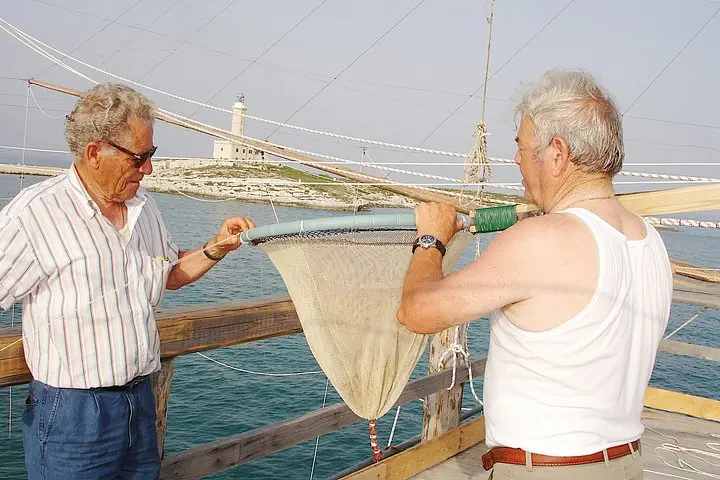
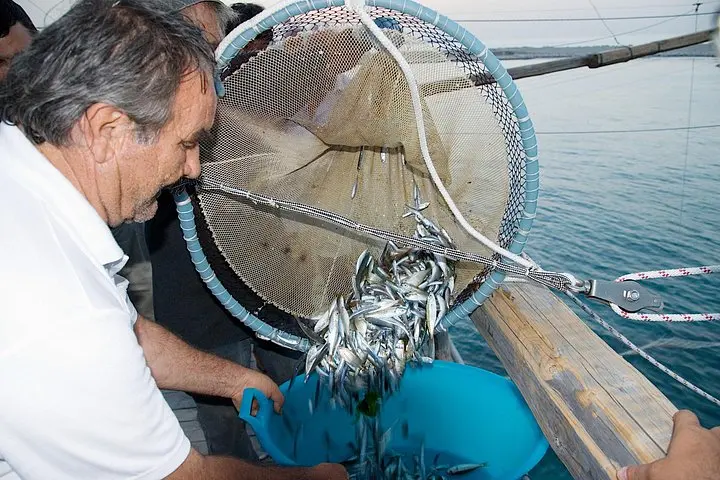
On the Trabucco San Lorenzo you don't watch folklore from a distance; you become a part of it. Under the patient hands of the mastri trabuccolanti, visitors learn to work the capstan, check the net, and haul the catch while the sea tests their balance. The experience is short—about 50 minutes—but compact with instruction, effort, and the reward of fresh fish and a rustic plate of pizza, taralli and a glass of local wine.
The trabucchi of Gargano are products of a specific coastline and economy. Built where limestone cliffs meet the gentle shelf of the Adriatic, these platforms were practical answers to a coastline that favored standing gear over boats. The cliff-band here is karstic—pitted rock shaped by wind and rain—so fishermen built outwards rather than launching from narrow coves. Trabucco fishing peaked before World War II, and today the remaining structures are protected cultural landmarks that tell a story of ingenuity and hardship.
Culturally, the ritual of the trabucco is as important as the catch. The mastri pass down simple, precise techniques: the right rhythm on the winch, how to read the sea’s pulse, when to sling the net to capitalize on incoming currents. The work is cooperative and tactile; it asks you to move deliberately and listen to the water.
Practicalities are straightforward. The meeting point is on the Trabucchi waterfront at San Lorenzo near Vieste; the outing is private and suitable for all fitness levels. Wear non-slip footwear—the wood can be wet and uneven—and bring sun protection and a light wind layer; the wind can feel colder on the exposed platform. Photography opportunities are excellent at low angle and close to the water: expect splashes, nets taut with silver, and cliff-backed horizons.
Note the sea rules: operators cancel in rough conditions and require 24‑hour cancellation notice for a full refund. Public transport and parking are nearby, and small refreshments are included. For travelers who want a short, hands-on cultural encounter with real physicality—and a taste of how coastal communities once fed themselves—San Lorenzo’s trabucco offers both a lesson and a moment on the water you’re unlikely to forget.
The activity is approximately 50 minutes long, combining instruction, hands-on net work and a short refreshment.
Yes—infants in strollers and small children can attend, but children should be supervised due to open edges and wet surfaces.
Operators will cancel or reschedule if sea conditions are unsafe; check the cancellation policy for full-refund timing.
Small refreshments typical of the region—rustic pizza, taralli, olives and local wine, plus soft drinks and water for children—are included.
No prior experience is needed; the mastri provide step-by-step guidance for all participants.
The trabucco is along the Vieste coastline; public transport stops and easy parking are nearby—confirm meeting point details on your voucher.
Esperienza di pesca sul Trabucco operates guided outdoor trips and adventures with an emphasis on safety, stewardship, and memorable experiences.
The wooden platform rocks with the rhythm of the Adriatic as the sun pulls itself over the Gargano cliffs. Salt brightens the air, gulls call from the shale ledges, and the long arms of the trabucco—ancient wooden piers pounded into rock—reach into the sea like a low-slung machine built for one purpose: to catch fish without motors or modern gear.
The wooden platform rocks with the rhythm of the Adriatic as the sun pulls itself over the Gargano cliffs. Salt brightens the air, gulls call from the shale ledges, and the long arms of the trabucco—ancient wooden piers pounded into rock—reach into the sea like a low-slung machine built for one purpose: to catch fish without motors or modern gear.
On the Trabucco San Lorenzo you don't watch folklore from a distance; you become a part of it. Under the patient hands of the mastri trabuccolanti, visitors learn to work the capstan, check the net, and haul the catch while the sea tests their balance. The experience is short—about 50 minutes—but compact with instruction, effort, and the reward of fresh fish and a rustic plate of pizza, taralli and a glass of local wine.
The trabucchi of Gargano are products of a specific coastline and economy. Built where limestone cliffs meet the gentle shelf of the Adriatic, these platforms were practical answers to a coastline that favored standing gear over boats. The cliff-band here is karstic—pitted rock shaped by wind and rain—so fishermen built outwards rather than launching from narrow coves. Trabucco fishing peaked before World War II, and today the remaining structures are protected cultural landmarks that tell a story of ingenuity and hardship.
Culturally, the ritual of the trabucco is as important as the catch. The mastri pass down simple, precise techniques: the right rhythm on the winch, how to read the sea’s pulse, when to sling the net to capitalize on incoming currents. The work is cooperative and tactile; it asks you to move deliberately and listen to the water.
Practicalities are straightforward. The meeting point is on the Trabucchi waterfront at San Lorenzo near Vieste; the outing is private and suitable for all fitness levels. Wear non-slip footwear—the wood can be wet and uneven—and bring sun protection and a light wind layer; the wind can feel colder on the exposed platform. Photography opportunities are excellent at low angle and close to the water: expect splashes, nets taut with silver, and cliff-backed horizons.
Note the sea rules: operators cancel in rough conditions and require 24‑hour cancellation notice for a full refund. Public transport and parking are nearby, and small refreshments are included. For travelers who want a short, hands-on cultural encounter with real physicality—and a taste of how coastal communities once fed themselves—San Lorenzo’s trabucco offers both a lesson and a moment on the water you’re unlikely to forget.