THE ADVENTURE COLLECTIVE® · Independent discovery and booking for outdoor travel

Walk Hannover’s streets where headline cases unfolded. This two-hour guided tour connects criminal incidents to the city’s civic life, media coverage and urban layout—offering a sober, informative look at how communities reckon with crime.
Walk Hannover’s streets where headline cases unfolded. This two-hour guided tour connects criminal incidents to the city’s civic life, media coverage and urban layout—offering a sober, informative look at how communities reckon with crime.
You step off the tram into Hannover’s compact center and the city seems to listen: broad boulevards, brick façades and quiet courtyards that once framed headline-making crimes. The guide leads you through lanes where police cordons, courtroom drama and media scrutiny left visible marks—each stop a short, visible chapter in the city’s modern history.
Verified experiences and guided adventures in the surrounding area.
Operated by Hannover Tourismus · Hannover, Lower Saxony
You step off the tram into Hannover’s compact center and the city seems to listen: broad boulevards, brick façades and quiet courtyards that once framed headline-making crimes. The guide leads you through lanes where police cordons, courtroom drama and media scrutiny left visible marks—each stop a short, visible chapter in the city’s modern history.
This two-hour walking tour threads recent criminal cases (from the 1974 murder of a protection guard to attacks and bombings in the 1980s–2010s) into a broader civic story: postwar reconstruction, Cold War-era political violence, and how public safety, press and politics interact. Hannover’s urban geology—open plazas, tram corridors and tighter medieval street patterns—shapes how incidents played out and how people remember them. Expect concrete discussion of investigative methods, media framing and the social consequences for affected neighborhoods.
The route is mostly flat, on paved sidewalks and pedestrian zones; several stops are short walks from tram or S-Bahn. Photography is usually allowed, but be discreet around memorials and residents. Guides are typically local historians or former law-enforcement professionals who balance factual recounting with context about legal outcomes and community responses.
Plan to arrive 10–15 minutes early, bring a charged phone for maps, and dress for the weather: Hannover’s skies can change quickly. The tour is accessible and suitable for most fitness levels, but the subject matter is serious and may be disturbing for some. By the end you’ll have a clearer sense of how a city negotiates safety, memory and urban life when the headlines fade.
Tours are commonly offered in German; check the booking page for English or bilingual departures and request language availability in advance.
Yes—most of the route is on paved, level surfaces and the tour is listed as wheelchair and stroller accessible; notify the operator when booking for specific assistance.
Photography is generally allowed at public sites but be discreet at memorials and respect privacy; follow the guide’s direction at sensitive locations.
You can receive a full refund if you cancel at least 24 hours before the scheduled departure; last-minute cancellations are non-refundable.
Hannover Tourismus operates guided outdoor trips and adventures with an emphasis on safety, stewardship, and memorable experiences.
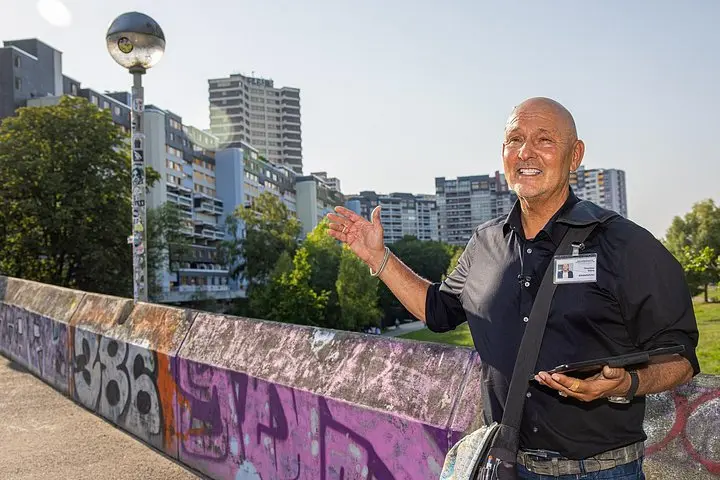
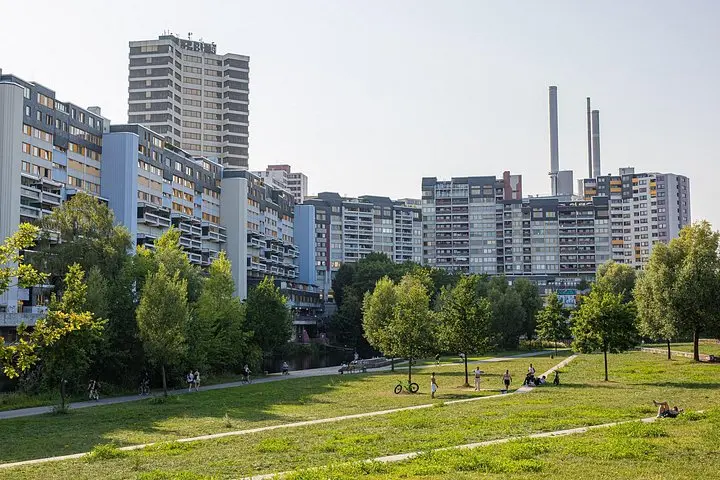
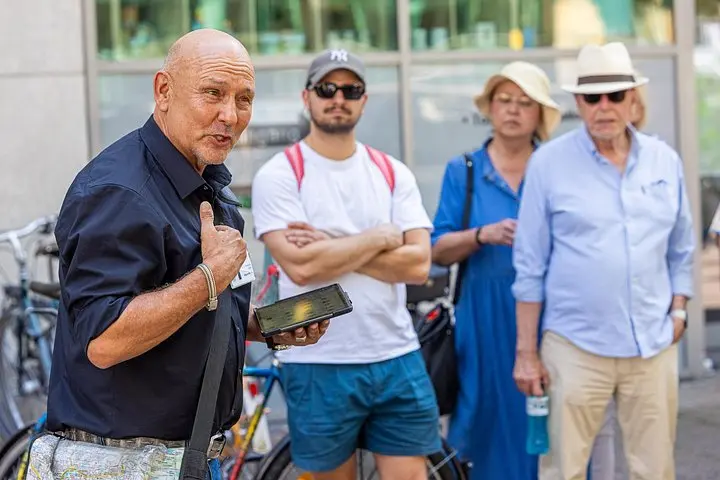
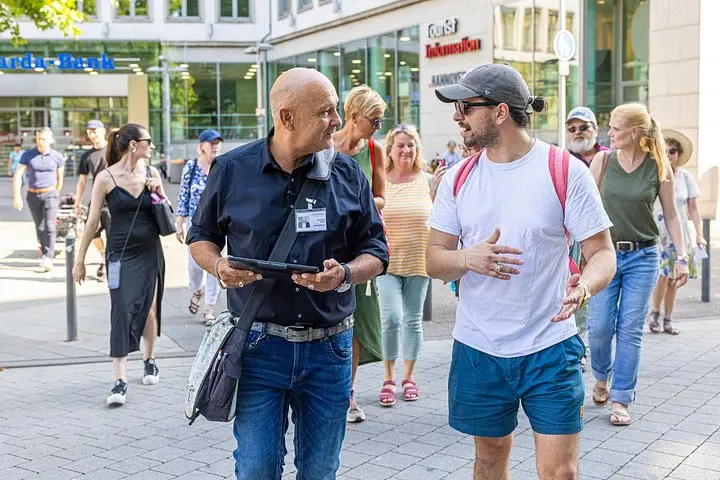
You step off the tram into Hannover’s compact center and the city seems to listen: broad boulevards, brick façades and quiet courtyards that once framed headline-making crimes. The guide leads you through lanes where police cordons, courtroom drama and media scrutiny left visible marks—each stop a short, visible chapter in the city’s modern history.
You step off the tram into Hannover’s compact center and the city seems to listen: broad boulevards, brick façades and quiet courtyards that once framed headline-making crimes. The guide leads you through lanes where police cordons, courtroom drama and media scrutiny left visible marks—each stop a short, visible chapter in the city’s modern history.
This two-hour walking tour threads recent criminal cases (from the 1974 murder of a protection guard to attacks and bombings in the 1980s–2010s) into a broader civic story: postwar reconstruction, Cold War-era political violence, and how public safety, press and politics interact. Hannover’s urban geology—open plazas, tram corridors and tighter medieval street patterns—shapes how incidents played out and how people remember them. Expect concrete discussion of investigative methods, media framing and the social consequences for affected neighborhoods.
The route is mostly flat, on paved sidewalks and pedestrian zones; several stops are short walks from tram or S-Bahn. Photography is usually allowed, but be discreet around memorials and residents. Guides are typically local historians or former law-enforcement professionals who balance factual recounting with context about legal outcomes and community responses.
Plan to arrive 10–15 minutes early, bring a charged phone for maps, and dress for the weather: Hannover’s skies can change quickly. The tour is accessible and suitable for most fitness levels, but the subject matter is serious and may be disturbing for some. By the end you’ll have a clearer sense of how a city negotiates safety, memory and urban life when the headlines fade.