THE ADVENTURE COLLECTIVE® · Independent discovery and booking for outdoor travel

Dine at the only hut above the Seven Rila Lakes for a three-course traditional Bulgarian meal with wine, framed by glacial bowls and high‑alpine views. Practical tips for timing, access and what to expect on the short walk in.
Dine at the only hut above the Seven Rila Lakes for a three-course traditional Bulgarian meal with wine, framed by glacial bowls and high‑alpine views. Practical tips for timing, access and what to expect on the short walk in.
Fog lifts from the cirque as you approach the squat wooden hut above the treeline; the air smells of pine, warm bread and broth. Inside, a low table is set for one private meal — a three-course Bulgarian menu served with a glass of wine and a non-alcoholic drink — while outside the Seven Rila Lakes sit like polished mirrors carved into glacial bowls.
Verified experiences and guided adventures in the surrounding area.
Operated by VisitBulgariaOn Bespoke Experiences · Sapareva Banya, Kyustendil Province
Fog lifts from the cirque as you approach the squat wooden hut above the treeline; the air smells of pine, warm bread and broth. Inside, a low table is set for one private meal — a three-course Bulgarian menu served with a glass of wine and a non-alcoholic drink — while outside the Seven Rila Lakes sit like polished mirrors carved into glacial bowls.
The Seven Rila Lakes are classic glacial tarns formed during the last Ice Age; shepherds and mountain folk have used this high ground for centuries, and modern huts grew from simple shelters into refuges for hikers. The meal is a cultural waypoint: a chance to taste shopska salad, a savory main—often a slow-cooked stew or grilled meat—and a simple dessert, all made with regional techniques and ingredients.
Geology here is immediate: cirques, moraines and steep rock ribs frame each lake. Culturally, the Rila massif has been a crossroads — Orthodox monasteries and mountain communities shaped local cuisine around hearty, preservable foods.
Practical guidance: the hut is at high elevation and access typically involves a short uphill walk from the Panichishte/railway lift area; bring warm layers, waterproofs and sturdy shoes even for the short approach. Book in advance and specify dietary needs. Timing matters: afternoon light is best for views and photos; avoid heavy rain days when trails are slick. Respect hut etiquette—no outside food and carry out waste. This is a compact, memorable mountain dining experience that pairs alpine scenery with straightforward Bulgarian cooking.
Most visitors reach the hut via the Panichishte lift or a marked trail from Sapareva Banya, followed by a short uphill walk; check local transport schedules for lift operation.
Yes if you indicate needs when booking—vegetarian or common allergies can usually be handled, but specify them in advance.
Yes, the menu and portioning can be adjusted; confirm age and any preferences during booking to ensure a suitable meal.
The hut operates in varied conditions but heavy storms can make access unsafe; organizers typically advise or rebook if conditions are dangerous—confirm cancellation terms when you book.
VisitBulgariaOn Bespoke Experiences operates guided outdoor trips and adventures with an emphasis on safety, stewardship, and memorable experiences.
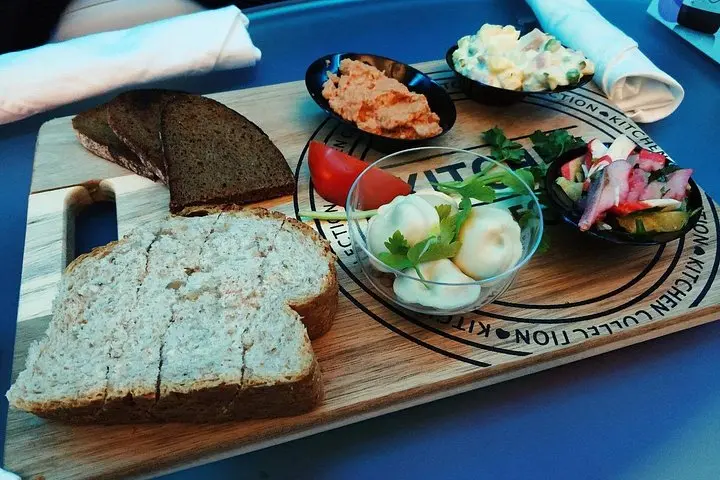
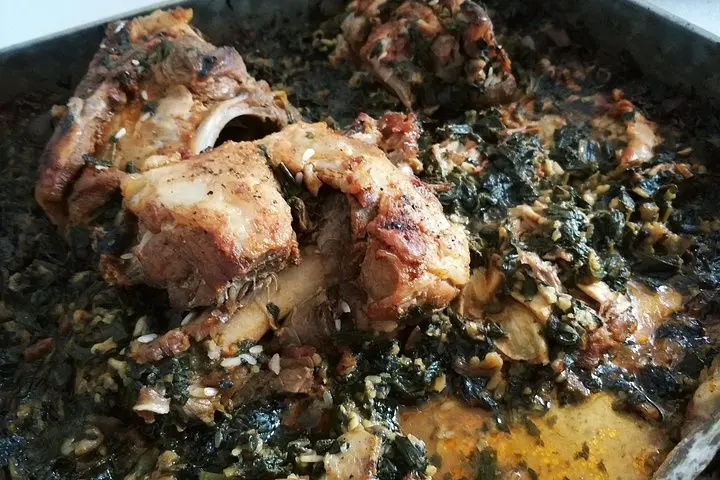
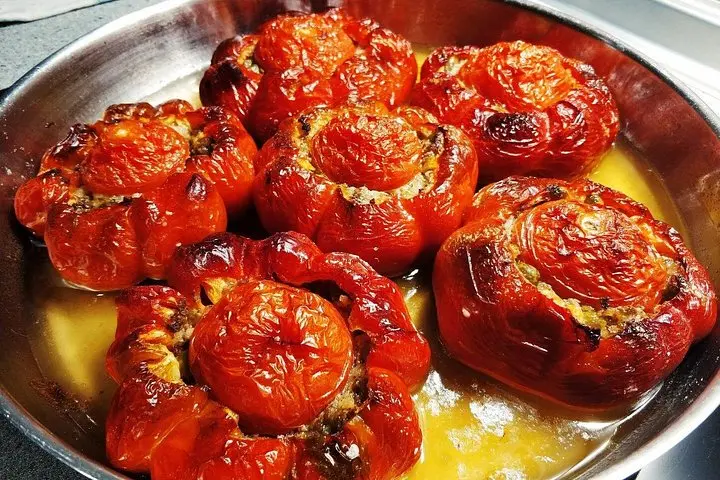
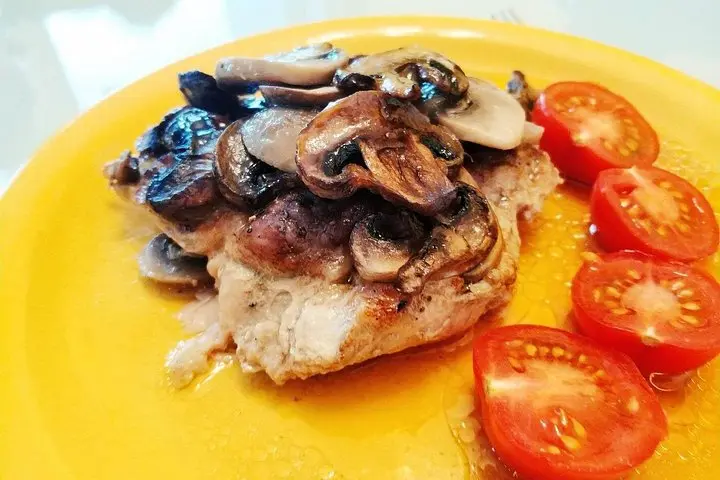
Fog lifts from the cirque as you approach the squat wooden hut above the treeline; the air smells of pine, warm bread and broth. Inside, a low table is set for one private meal — a three-course Bulgarian menu served with a glass of wine and a non-alcoholic drink — while outside the Seven Rila Lakes sit like polished mirrors carved into glacial bowls.
Fog lifts from the cirque as you approach the squat wooden hut above the treeline; the air smells of pine, warm bread and broth. Inside, a low table is set for one private meal — a three-course Bulgarian menu served with a glass of wine and a non-alcoholic drink — while outside the Seven Rila Lakes sit like polished mirrors carved into glacial bowls.
The Seven Rila Lakes are classic glacial tarns formed during the last Ice Age; shepherds and mountain folk have used this high ground for centuries, and modern huts grew from simple shelters into refuges for hikers. The meal is a cultural waypoint: a chance to taste shopska salad, a savory main—often a slow-cooked stew or grilled meat—and a simple dessert, all made with regional techniques and ingredients.
Geology here is immediate: cirques, moraines and steep rock ribs frame each lake. Culturally, the Rila massif has been a crossroads — Orthodox monasteries and mountain communities shaped local cuisine around hearty, preservable foods.
Practical guidance: the hut is at high elevation and access typically involves a short uphill walk from the Panichishte/railway lift area; bring warm layers, waterproofs and sturdy shoes even for the short approach. Book in advance and specify dietary needs. Timing matters: afternoon light is best for views and photos; avoid heavy rain days when trails are slick. Respect hut etiquette—no outside food and carry out waste. This is a compact, memorable mountain dining experience that pairs alpine scenery with straightforward Bulgarian cooking.