THE ADVENTURE COLLECTIVE® · Independent discovery and booking for outdoor travel

Share a family-style dinner in Livingstone and learn Zambian mealtime customs—hand washing, language greetings, and dishes built around nshima. This three-hour cultural dinner places you inside everyday life beyond Victoria Falls.
Share a family-style dinner in Livingstone and learn Zambian mealtime customs—hand washing, language greetings, and dishes built around nshima. This three-hour cultural dinner places you inside everyday life beyond Victoria Falls.
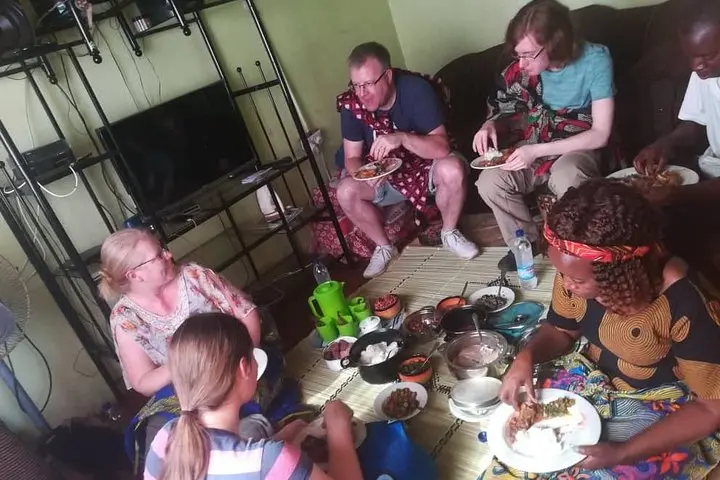
The meal begins before the first bite: dusk settles over the Zambezi and the smell of smoke and peanut sauce drifts through an open yard as hosts call guests by name. You arrive to hand-washing bowls, a warm Mwaboonwa welcome, and a kitchen where nshima—the dense maize staple—waits in a communal pot.
Verified experiences and guided adventures in the surrounding area.
Operated by Mwabonwa Cultural Experiences · Livingstone, Southern Province
The meal begins before the first bite: dusk settles over the Zambezi and the smell of smoke and peanut sauce drifts through an open yard as hosts call guests by name. You arrive to hand-washing bowls, a warm Mwaboonwa welcome, and a kitchen where nshima—the dense maize staple—waits in a communal pot.
This dinner is as much cultural exchange as it is food. Livingstone sits downstream of Mosi-oa-Tunya ("The Smoke That Thunders"), and the town’s rivers, trade routes, and colonial history shaped a cuisine that blends river fish, garden greens, and preserved seasonal fruits. Mealtime is family time: dishes are shared, forks optional, and greetings in multiple Zambian languages are part of the lesson.
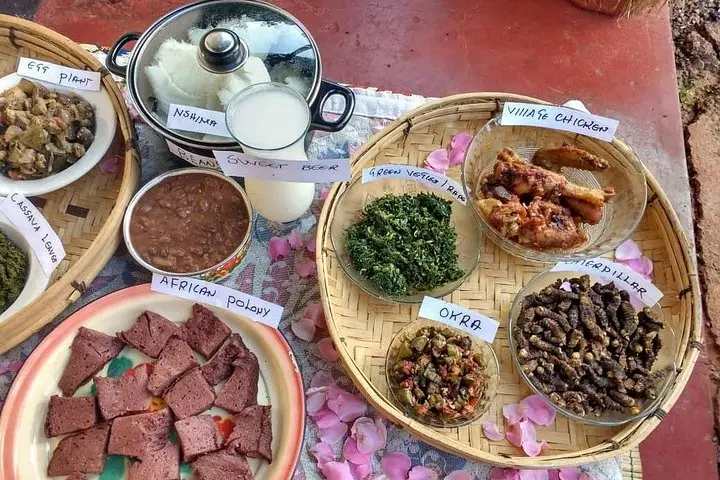
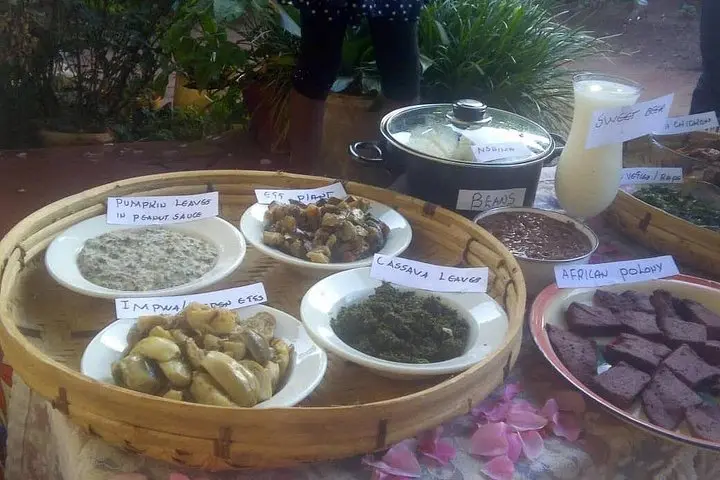
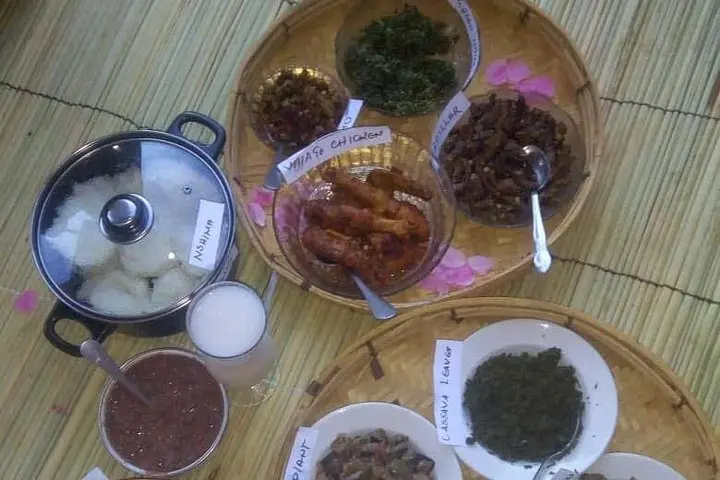
Expect to learn local etiquette—hand-washing, seating order and the right-hand tradition—while sampling village chicken, kapenta, pumpkin leaves in peanut sauce, chikanda and preserved fruits. Hosts may offer mopane-worms or impwa (garden eggs) for those willing to taste a true local specialty.
Practically, the experience runs about three hours, is wheelchair-accessible, and suits most fitness levels. Photography and gifts are welcome but ask before snapping portraits; small tokens of appreciation go farther than tips in cash-sparse communities. If you have allergies, notify in advance—many dishes are shared family-style.
This is a slow, social meal that teaches how food carries memory and identity. Come ready to participate, listen, and leave with a clearer sense of Zambian daily life beyond the roar of the falls.
Yes, the listing notes wheelchair accessibility; inform the operator when booking so they can prepare accessible seating and pathways.
Food is shared family-style and hosts are accommodating—notify dietary preferences in advance and alternatives can usually be provided.
Dinner and beverages are included as described; confirm specifics with the operator when booking if you want alcoholic or specialty drinks.
Tipping is appreciated but not mandatory; a small cash amount or a modest gift shows gratitude and supports the household directly.
Mwabonwa Cultural Experiences operates guided outdoor trips and adventures with an emphasis on safety, stewardship, and memorable experiences.
The meal begins before the first bite: dusk settles over the Zambezi and the smell of smoke and peanut sauce drifts through an open yard as hosts call guests by name. You arrive to hand-washing bowls, a warm Mwaboonwa welcome, and a kitchen where nshima—the dense maize staple—waits in a communal pot.
The meal begins before the first bite: dusk settles over the Zambezi and the smell of smoke and peanut sauce drifts through an open yard as hosts call guests by name. You arrive to hand-washing bowls, a warm Mwaboonwa welcome, and a kitchen where nshima—the dense maize staple—waits in a communal pot.
This dinner is as much cultural exchange as it is food. Livingstone sits downstream of Mosi-oa-Tunya ("The Smoke That Thunders"), and the town’s rivers, trade routes, and colonial history shaped a cuisine that blends river fish, garden greens, and preserved seasonal fruits. Mealtime is family time: dishes are shared, forks optional, and greetings in multiple Zambian languages are part of the lesson.
Expect to learn local etiquette—hand-washing, seating order and the right-hand tradition—while sampling village chicken, kapenta, pumpkin leaves in peanut sauce, chikanda and preserved fruits. Hosts may offer mopane-worms or impwa (garden eggs) for those willing to taste a true local specialty.
Practically, the experience runs about three hours, is wheelchair-accessible, and suits most fitness levels. Photography and gifts are welcome but ask before snapping portraits; small tokens of appreciation go farther than tips in cash-sparse communities. If you have allergies, notify in advance—many dishes are shared family-style.
This is a slow, social meal that teaches how food carries memory and identity. Come ready to participate, listen, and leave with a clearer sense of Zambian daily life beyond the roar of the falls.