THE ADVENTURE COLLECTIVE® · Independent discovery and booking for outdoor travel

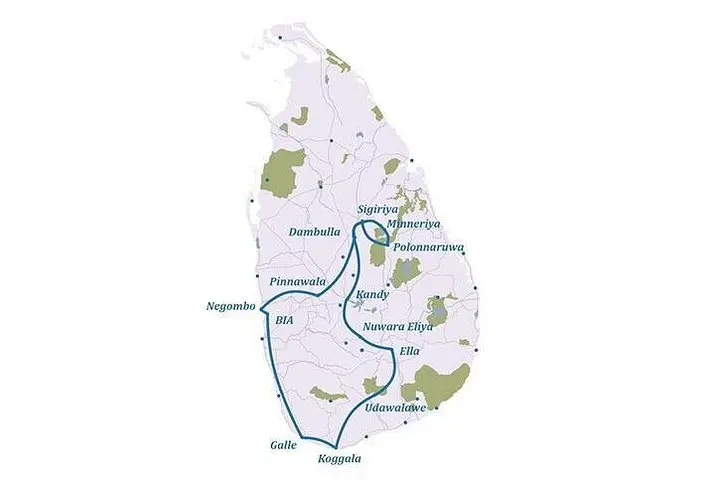
A 13-day clockwise circuit of Sri Lanka that pairs ancient ruins and colonial highlands with wildlife safaris and surf-side relaxations. Ideal for travelers who want a compact, private tour through the island’s cultural and natural highlights.
A 13-day clockwise circuit of Sri Lanka that pairs ancient ruins and colonial highlands with wildlife safaris and surf-side relaxations. Ideal for travelers who want a compact, private tour through the island’s cultural and natural highlights.
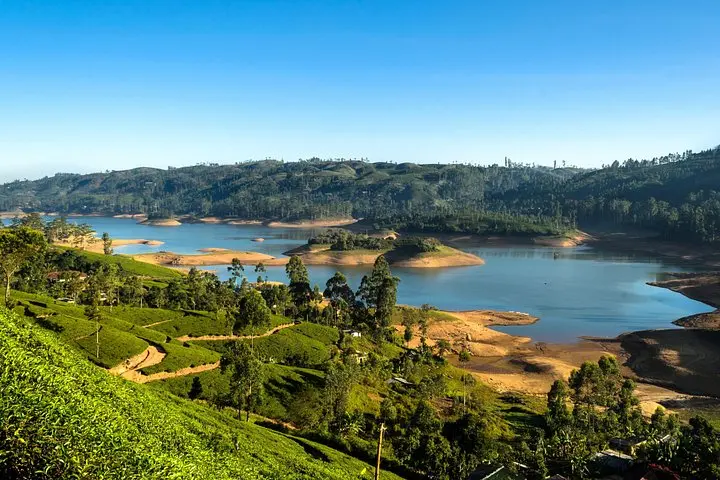
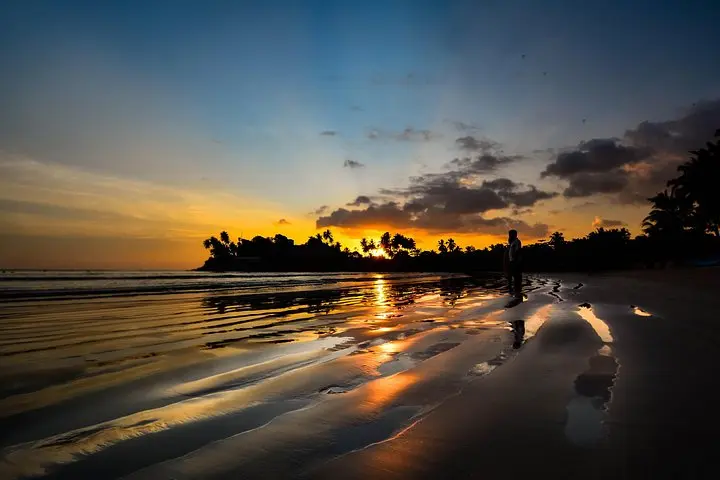
You step out of the humid Colombo airport and the island greets you with the smell of diesel and cinnamon—an immediate promise of motion. The first morning finds you on the low, wind-scoured beaches of Negombo; by day three you’re negotiating the ladders and terraces up Sigiriya’s sheer rock, watching clouds spool across a ruined king’s watch. Over thirteen days the island rearranges itself: flat coastal plains give way to red-soil ruins and then lift into the highlands where tea bushes march in clipped rows and mist claims the ridgelines.
Verified experiences and guided adventures in the surrounding area.
Operated by Lakpura LLC · Negombo, Western Province
You step out of the humid Colombo airport and the island greets you with the smell of diesel and cinnamon—an immediate promise of motion. The first morning finds you on the low, wind-scoured beaches of Negombo; by day three you’re negotiating the ladders and terraces up Sigiriya’s sheer rock, watching clouds spool across a ruined king’s watch. Over thirteen days the island rearranges itself: flat coastal plains give way to red-soil ruins and then lift into the highlands where tea bushes march in clipped rows and mist claims the ridgelines.
This loop reads like a condensed history of Sri Lanka. Dambulla’s painted cave shrines, with murals dating to the 1st century BC, usher you into the island’s ancient Buddhist traditions. Polonnaruwa and Sigiriya reveal medieval statecraft—the latter a fifth-century rock fortress with terraces and water gardens engineered to impress and intimidate. The British left a different imprint: Nuwara Eliya’s colonial bungalows and the tea estates surrounding it reflect the geology of uplifted Precambrian rocks turned into cool, rainy highlands ideal for Camellia sinensis.
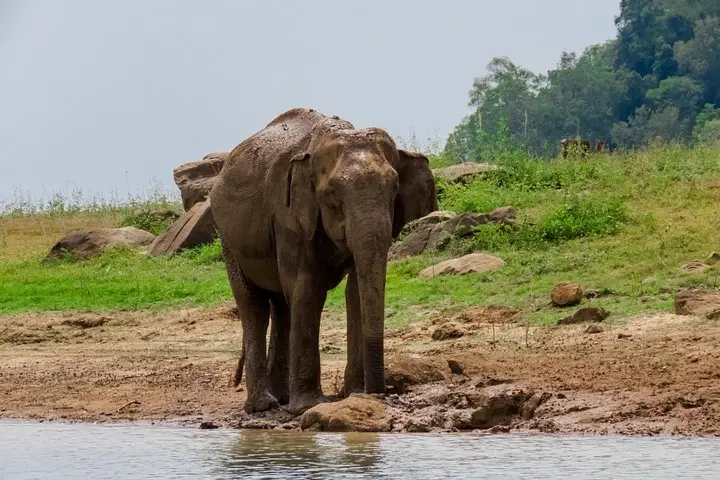
Nature plays a starring role. In Minneriya, the dry plain becomes a stage for elephant herds during the seasonal gatherings; Udawalawe’s scrubland offers more solitary sightings. Horton Plains’ montane grasslands and cloud forest are places where wind seems to think aloud, and Nine Arches Bridge outside Ella frames trains that glide like a memory through jungle and rail-cut viaduct.
Practical edge: this is a road-woven itinerary—expect long transfers between highlights, but also a private vehicle that turns travel time into scenic interludes. Mornings are your best asset: start early at Sigiriya to avoid heat and crowds, and time Horton Plains for sunrise when the plateau’s key viewpoints open in clear, luminous air. Keep hydrated on drives, and plan for sudden rain in the highlands—pack a lightweight waterproof and quick-drying layers. Footwear should be sturdy enough for temple steps and short hikes (Ravana Falls, Horton Plains), but comfortable for city pavements and cobbled fort towns.
Local rhythm matters: markets in Kandy and Galle move at their own pace; curbside tea stands and spice gardens are ideal for learning the flavors that built the island’s trade routes. Respect temple etiquette—shoulders and knees covered—and barter sensibly in markets.
For travelers who want depth over speed, the private-tour format lets you linger at a ruined city or swap a beach afternoon for an extra hour in a tea factory. In practice, expect a mix of easy walks, a few moderate climbs and several full-day drives—rewarded, repeatedly, by landscapes that seem to push you onward.
Most visitors require an Electronic Travel Authorization (ETA) prior to arrival—check the Sri Lankan immigration website for current rules and fees.
The itinerary is classified as easy to moderate and is private, so it can accommodate children and older travelers, but consider mobility for climbs and long drives.
Admissions are typically not included—expect to pay entry fees at sites like Sigiriya, Dambulla and national parks; your guide can handle payments on-site.
Sri Lankan rupee is local currency; tipping is customary for guides and drivers (10–15% locally appropriate) and small amounts for service staff.
Several days include long transfers—plan for full-day drives between regions, balanced by mornings or afternoons of walking and sightseeing.
Yes—the private-tour format allows for adjustments like extra time at tea estates or swapping beach days in Galle for more wildlife viewing.
Lakpura LLC operates guided outdoor trips and adventures with an emphasis on safety, stewardship, and memorable experiences.
You step out of the humid Colombo airport and the island greets you with the smell of diesel and cinnamon—an immediate promise of motion. The first morning finds you on the low, wind-scoured beaches of Negombo; by day three you’re negotiating the ladders and terraces up Sigiriya’s sheer rock, watching clouds spool across a ruined king’s watch. Over thirteen days the island rearranges itself: flat coastal plains give way to red-soil ruins and then lift into the highlands where tea bushes march in clipped rows and mist claims the ridgelines.
You step out of the humid Colombo airport and the island greets you with the smell of diesel and cinnamon—an immediate promise of motion. The first morning finds you on the low, wind-scoured beaches of Negombo; by day three you’re negotiating the ladders and terraces up Sigiriya’s sheer rock, watching clouds spool across a ruined king’s watch. Over thirteen days the island rearranges itself: flat coastal plains give way to red-soil ruins and then lift into the highlands where tea bushes march in clipped rows and mist claims the ridgelines.
This loop reads like a condensed history of Sri Lanka. Dambulla’s painted cave shrines, with murals dating to the 1st century BC, usher you into the island’s ancient Buddhist traditions. Polonnaruwa and Sigiriya reveal medieval statecraft—the latter a fifth-century rock fortress with terraces and water gardens engineered to impress and intimidate. The British left a different imprint: Nuwara Eliya’s colonial bungalows and the tea estates surrounding it reflect the geology of uplifted Precambrian rocks turned into cool, rainy highlands ideal for Camellia sinensis.
Nature plays a starring role. In Minneriya, the dry plain becomes a stage for elephant herds during the seasonal gatherings; Udawalawe’s scrubland offers more solitary sightings. Horton Plains’ montane grasslands and cloud forest are places where wind seems to think aloud, and Nine Arches Bridge outside Ella frames trains that glide like a memory through jungle and rail-cut viaduct.
Practical edge: this is a road-woven itinerary—expect long transfers between highlights, but also a private vehicle that turns travel time into scenic interludes. Mornings are your best asset: start early at Sigiriya to avoid heat and crowds, and time Horton Plains for sunrise when the plateau’s key viewpoints open in clear, luminous air. Keep hydrated on drives, and plan for sudden rain in the highlands—pack a lightweight waterproof and quick-drying layers. Footwear should be sturdy enough for temple steps and short hikes (Ravana Falls, Horton Plains), but comfortable for city pavements and cobbled fort towns.
Local rhythm matters: markets in Kandy and Galle move at their own pace; curbside tea stands and spice gardens are ideal for learning the flavors that built the island’s trade routes. Respect temple etiquette—shoulders and knees covered—and barter sensibly in markets.
For travelers who want depth over speed, the private-tour format lets you linger at a ruined city or swap a beach afternoon for an extra hour in a tea factory. In practice, expect a mix of easy walks, a few moderate climbs and several full-day drives—rewarded, repeatedly, by landscapes that seem to push you onward.