THE ADVENTURE COLLECTIVE® · Independent discovery and booking for outdoor travel

A small, practical line item that keeps mounts healthy on Flathead Valley rides: learn what the Horse Dewormer Charge covers and why it matters for multi-day trips near Glacier National Park.
A small, practical line item that keeps mounts healthy on Flathead Valley rides: learn what the Horse Dewormer Charge covers and why it matters for multi-day trips near Glacier National Park.
Book with Firefly Horse Co. Wellness Retreat Center
Verified experiences and guided adventures in the surrounding area.
Operated by Firefly Horse Co. Wellness Retreat Center · Columbia Falls, Montana
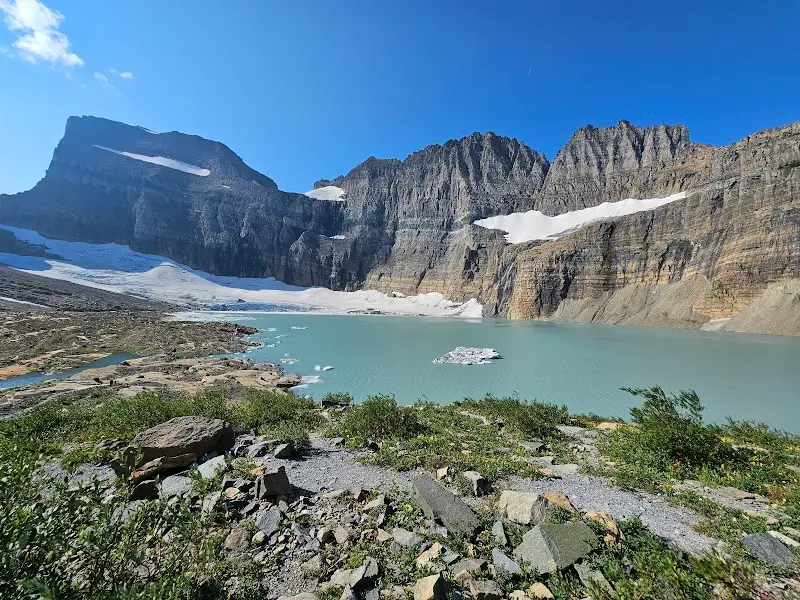
On the western edge of Glacier National Park, in Columbia Falls, Montana, a small but essential line item appears on many trail invoices: Horse Dewormer Charge. Though not the most romantic part of a mountain horsepacking trip, this company-provided horse dewormer helps keep herd health up on the Flathead Valley trail network. Columbia Falls sits at the valley floor below the Rocky Mountain Front, where glacially carved peaks and river-bottom cottonwoods meet rolling foothills; that landscape shapes how horse programs operate here. This short service covers a single deworming treatment provided by the outfitter and is intended for riders using company horses or short-term boarded mounts. Practically, it means animals arriving from different pastures are treated to limit internal parasites before or after trail travel, reducing risk on multi-day loops and backcountry grazing areas. For visitors who plan multi-day rides toward Glacier's eastern trails, or day loops along the Flathead River corridor, it's a small precaution that protects both your mount and the fragile alpine meadows riders cross. Key features of the scene include the Flathead River's braided gravel bars, glacial moraines, and mixed conifer stands of Douglas fir and western larch. Hikers and riders often pass limestone and argillite outcrops, cross willow-lined creeks, and climb to viewpoints that reveal jagged peaks sculpted by Pleistocene ice. Wildlife encounters-elk on the valley margins, mule deer in the aspens-are common; birds like Clark's nutcracker patrol the subalpine ridges. The Horse Dewormer Charge matters here because dispersed grazing and trail-sharing increase parasite transmission risk. Outfitters list it upfront to meet herd health best practices and sometimes state or permit stipulations. That transparency keeps trail programs sustainable while preserving the grazing spots and delicate riparian zones around Columbia Falls. If you're booking a ride, ask when the treatment is administered and whether records accompany your reservation; some guests prefer to bring documentation of prior deworming. Also confirm withdrawal times if you plan pack trips where meat or dairy-producing animals are involved-those rules vary. Fireflyhorseco's listing labels this as "company provided horse dewormer"; operator contact details were not supplied. For stays in Columbia Falls, use the town as your base for exploring Glacier National Park, the Hungry Horse Reservoir, and the Flathead Valley's trail network. Think of this charge not as an add-on, but as a quiet piece of good stewardship that preserves healthy herds and healthy trails for everyone. When you book, ask the outfitter for timing and any effects on trail food packing; small administrative items like this can dramatically reduce vet visits and keep schedules on track for guided ride itineraries and wilderness camping with packstock. Pack a copy of treatment records to speed check-in and minimize confusion on trailheads and paperwork.
Many outfitters recommend or require a recent deworming to reduce parasite transmission; check the listing or ask when booking.
The outfitter or trained staff typically administer company-provided treatments; guests rarely need to dose animals themselves.
Treatments are quick, but ask timing details—some programs schedule dosing at check-in or after a trip to avoid withdrawal issues.
Yes—bringing documentation can prevent duplicate dosing and streamline paperwork at check-in.
Withdrawal times vary by drug and agricultural rules; confirm with the outfitter if animals are used for meat or dairy production.
Discuss this with staff; some programs accept guest-supplied treatments if documentation and proper storage are provided.
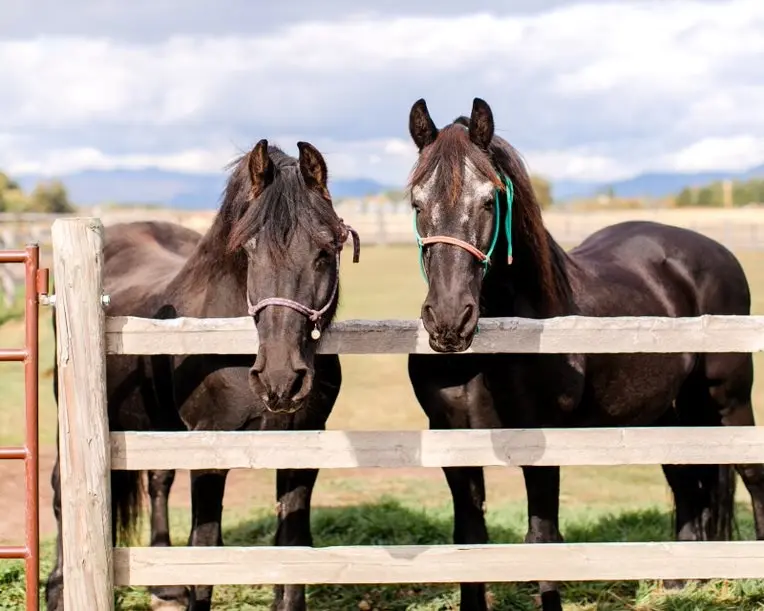
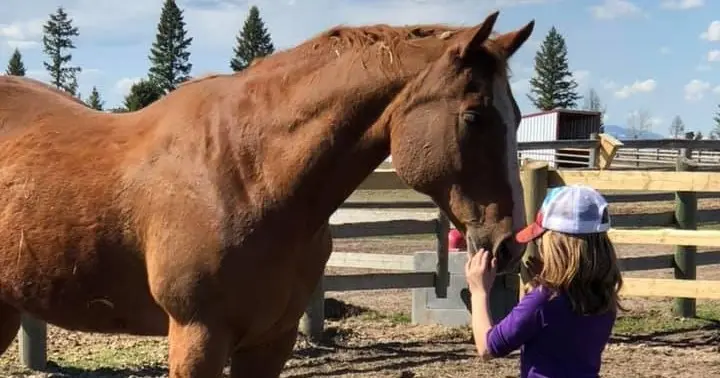
Firefly Horse Co. Wellness Retreat Center in Columbia Falls, Montana offers equine-centered programs and farm experiences focused on connection, learning, and recreation. The center provides a range of guided activities, including Equine-Assisted Learning sessions for children and teenagers that support emotional growth, boundary setting, and trauma processing through structured interactions with horses. Group Riding Lessons with Kate Paschen combine horsemanship, mindfulness, and practical horse care. F.E.E.L. Haul-In Lessons welcome riders who bring their personal horse for tailored instruction in Western and English disciplines; helmets are mandatory for riders under 18 and options are available onsite. Puppy Yoga & Farm Experience pairs gentle yoga stretching with time to socialize Golden Aussie Doodle puppies before they are adopted, followed by a farm tour. Horse Use Lease Drop-In offers partial lease access for riders to ride independently on a flexible schedule. The center hosts a free Stress & Anxiety Reset 1.5-hour live course led by Julie Dauner, LCPC, with recordings available for registrants. Day programs include Horse & Farm Camp, Pony Parties, 1 Hour Riding Experiences with instructor support and scenic mountain views, and guided Animal Experience & Farm Tours featuring over 100 friendly animals. Programming emphasizes hands-on interaction, farm education, and a supportive environment for participants of varied ages and skill levels. Firefly Horse Co. operates from a scenic property in Columbia Falls and presents clear program details so guests can plan safe, memorable visits. Reservations are recommended for popular programs and seasonal events. Accessible booking information is available on their website.
Book with Firefly Horse Co. Wellness Retreat Center